Home and Away Eden’s aplastic anaemia diagnosis explained
Home and Away’s Eden is diagnosed with aplastic anaemia after worrying symptoms. Here’s what the rare and serious blood condition actually means.



Eden’s Home and Away diagnosis has put aplastic anaemia firmly in the spotlight, with Amelia confirming that her bone marrow has stopped producing enough new blood cells.
The condition is rare, but serious, and can affect the body in several different ways depending on which blood cells are reduced.
What is aplastic anaemia?

Aplastic anaemia is a form of bone marrow failure. Bone marrow normally produces red blood cells, white blood cells and platelets, but in aplastic anaemia it fails to make enough of them.
Red blood cells carry oxygen around the body, white blood cells help fight infection and platelets allow blood to clot properly. When production drops, patients can develop a mixture of symptoms depending on which cell types are most affected.
What symptoms can it cause?
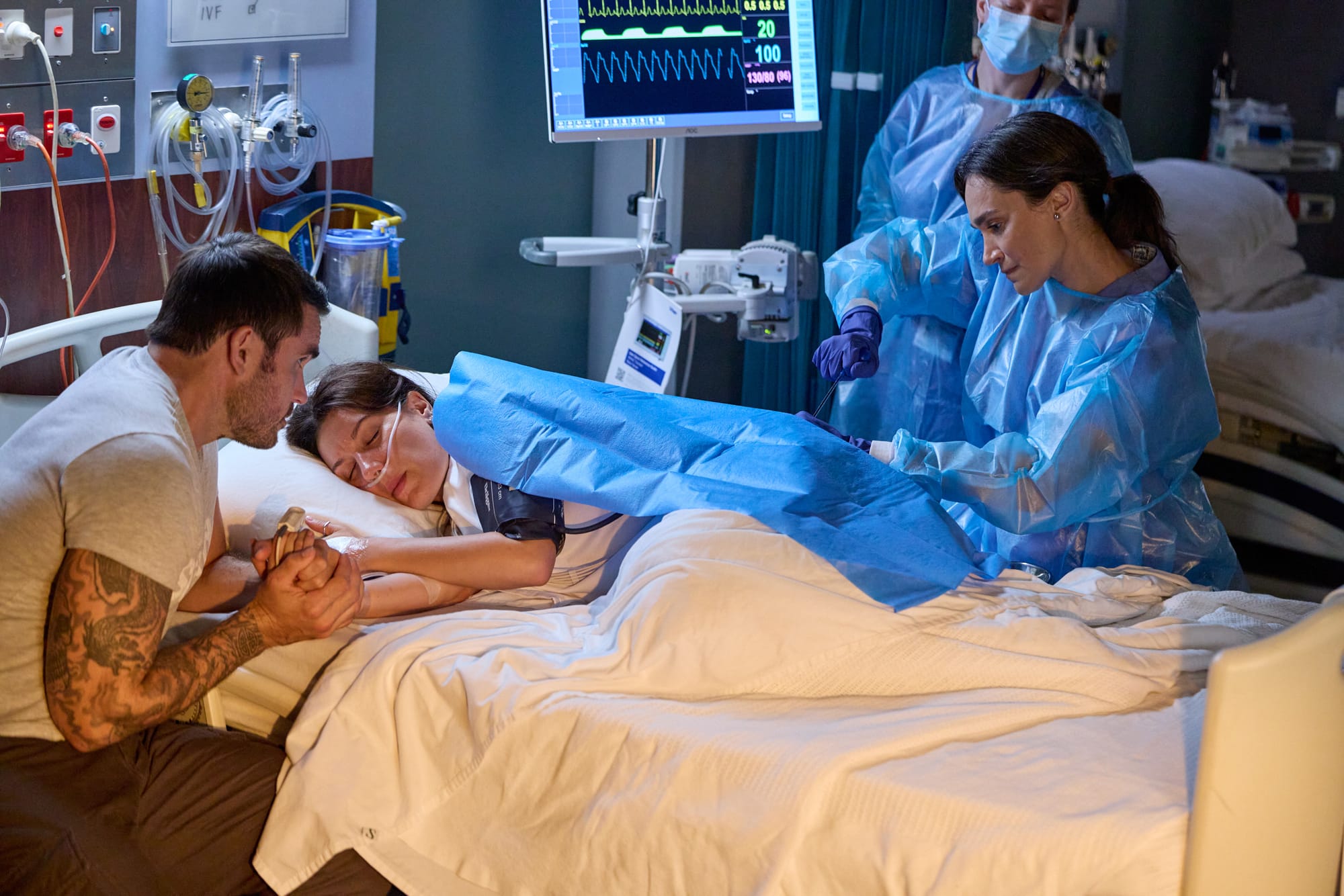
Easy bruising and bleeding can happen when platelet levels are too low, which helps explain why Eden’s heavy bruising and earlier nosebleed become significant.
Low red blood cell levels can cause anaemia, leading to tiredness, weakness and shortness of breath. Low white blood cell levels can also increase the risk of infection.
How is it diagnosed?

Blood tests can reveal abnormally low blood cell counts, but doctors may also need to examine the bone marrow directly. A bone marrow biopsy allows specialists to assess how effectively new blood cells are being produced.
That makes Amelia arranging a biopsy for Eden consistent with the real-world diagnostic process used when doctors suspect aplastic anaemia or another bone marrow disorder.
Can aplastic anaemia be treated?
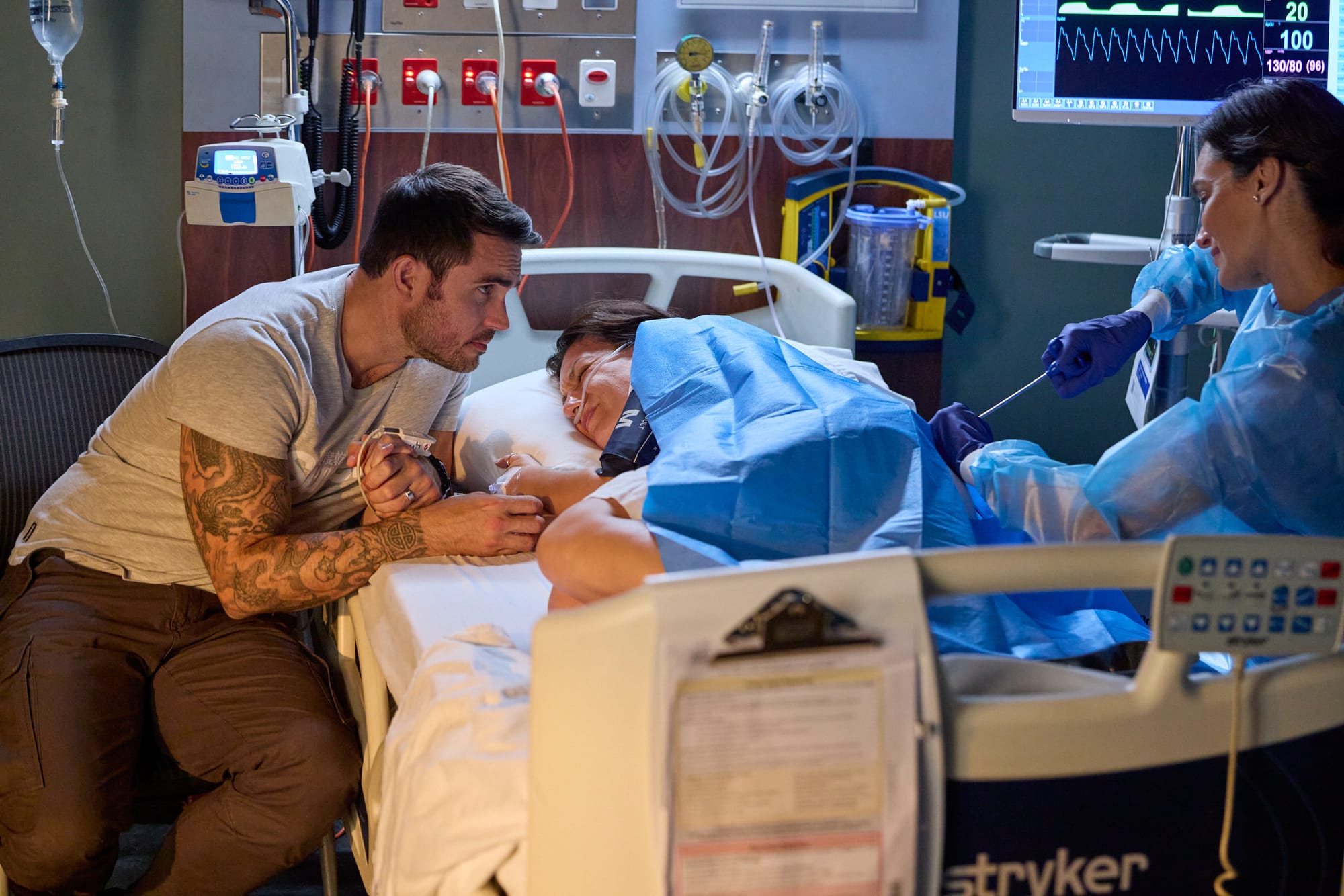
Treatment depends on the severity of the condition and the individual patient. Specialist care can include blood or platelet transfusions, antibiotics, medicines that suppress the immune system and, in some cases, bone marrow or stem cell transplantation.
Aplastic anaemia can be life-threatening because very low blood cell levels can increase the risks of serious bleeding and infection. However, a diagnosis does not by itself determine the outcome, and treatment options vary depending on the patient and the severity of the disease.
For Eden, the diagnosis explains why her symptoms have developed, but it does not yet tell viewers what her treatment journey will look like. The next stage of the storyline is likely to focus on what doctors recommend and how she and her family respond.
Home and Away airs weekdays on Channel 5 in the UK and streams on 5. SoapLandTV’s coverage follows the UK broadcast, while Australia is further ahead, meaning some storylines and developments may already have aired for Australian viewers.
For more Summer Bay news, spoilers and theories, visit the Home and Away Hub on SoapLandTV.co.uk. Images: Channel 5 / Seven Network.
Sources: Great Ormond Street Hospital NHS Foundation Trust and Newcastle Hospitals NHS Foundation Trust.