BBC’s Rav Wilding Warns Fire Stick Viewers – But Can You Really Be Fined or Jailed?
BBC Morning Live's Rav Wilding warns illegal Fire Stick users. We examine UK law, real prosecutions, piracy statistics, VPNs and viewer penalties.

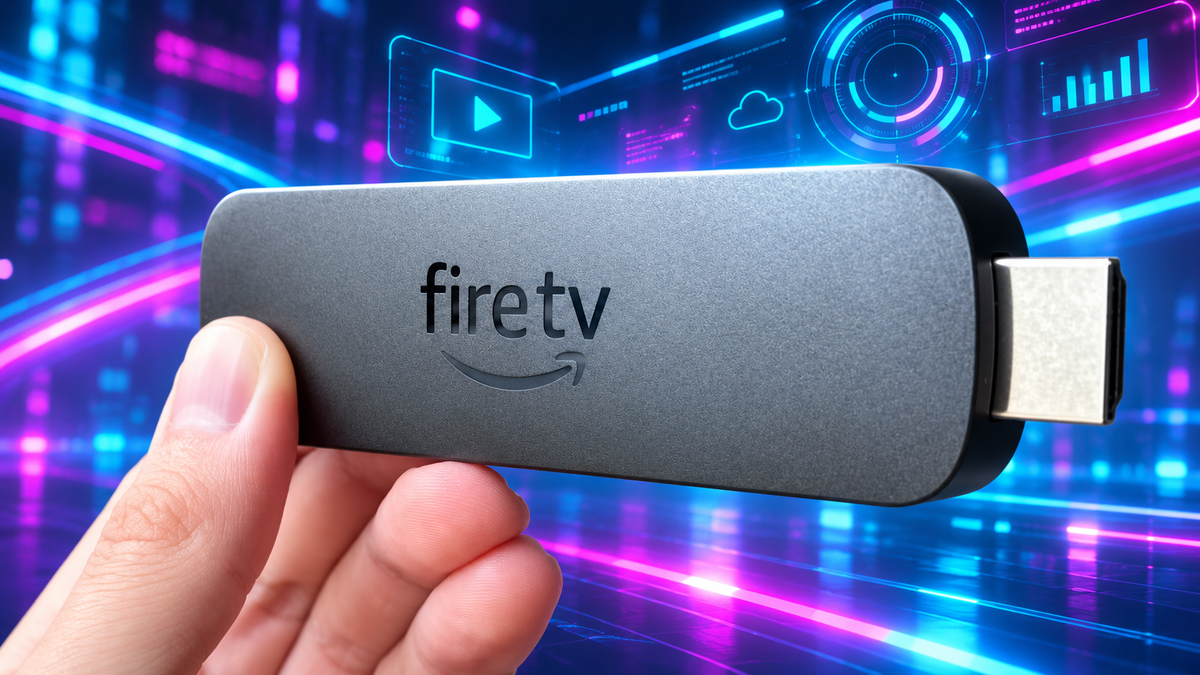
BBC Morning Live presenter Rav Wilding has this week raised concerns about illegal television streaming, including how investigators can trace customers through payments made to suppliers of unauthorised subscriptions.
His comments bring attention to a question facing people who watch television through modified Fire TV Sticks and IPTV services: can ordinary viewers really be fined or sent to prison?
UK courts have imposed substantial sentences for illegal streaming offences, but the best-known prosecutions involve people who also operated or supplied unauthorised services. Meanwhile, research suggests illegal streaming is far more widespread than the modified Fire Sticks often associated with it.
Rav Wilding’s BBC Warning and How Viewers Can Be Traced
The former CID Detective with the Metropolitan Police discussed how investigations into illegal television suppliers can reveal information about the people purchasing their subscriptions.

Rather than relying solely on internet addresses or identifying individual streaming devices, investigators can examine financial transactions, customer records and communications obtained during investigations.
Rav also referred to estimates suggesting that millions of people could be using illegal streaming services. Such figures are estimates rather than confirmed counts of offenders, and the number of devices, subscriptions and individual viewers should not be treated as interchangeable.
The concern is supported by actual enforcement activity.

On 23 December 2025, the Federation Against Copyright Theft confirmed that more than 1,000 people across the UK had been contacted by email or text following investigations involving police forces.
Those contacted were warned to stop using illegal television streaming services or risk prosecution.
However, receiving a warning is not the same as being fined or convicted. A customer’s payment history may assist an investigation, but it does not automatically establish which programmes were watched, what the customer knew or whether the requirements of a criminal offence have been met.
How Many People Are Watching Illegal Television?
The scale of illegal streaming has become a major issue for broadcasters, film studios and sporting organisations, although researchers use different methods to estimate its prevalence.
The UK Intellectual Property Office estimated that 29% of UK residents aged 12 and over, approximately 17.2 million people, had recently accessed some form of copyright-infringing online content during 2024.
That figure covers different categories of digital piracy, not just television, films or modified Fire TV Sticks.
More recent industry research has examined television piracy specifically.
An October 2026 study by the Audiovisual Anti-Piracy Alliance estimated that 34.4 million people accessed illicit IPTV across the European Union, UK and Switzerland during 2025, representing 8.9% of the population aged 16 to 74.
The study also suggested that approximately one in five people aged 16 to 24 used illicit IPTV in those markets.
Researchers estimated annual revenue of €2.6 billion for illegal providers and potential lost revenue of €5.8 billion for legitimate pay-TV businesses.
These are industry-commissioned estimates rather than audited financial losses. They do not establish that every person watching unauthorised content would otherwise have paid for an equivalent legitimate subscription.
A separate UK study published in September 2026 estimated that illegal streaming costs television, film and sporting organisations £1.35 billion annually in lost revenue. The research, commissioned by BeStreamWise and carried out by WPI Economics, also estimated the equivalent of 10,400 fewer jobs and £366 million in lost tax revenue.
That research estimated that approximately 16.8 million UK adults had used illegal streaming sources during the preceding three months.
The findings indicate substantial demand for unauthorised television access, but the studies measure different audiences and activities and should not be combined into a single estimate of Fire Stick ownership.
Is Using an Illegal Fire Stick a Crime Under UK Law?
Amazon Fire TV Sticks are legal products, as are other streaming devices and television boxes.
Installing additional applications, including software outside an official app store, does not automatically make a device unlawful.
The distinction concerns whether viewers obtain protected television, films or live sport through services that have permission to distribute that content.
IPTV, short for Internet Protocol Television, simply describes television delivered through an internet connection. The technology is widely used by legitimate providers.
Different laws may apply when someone dishonestly accesses paid television without authorisation.

Under Section 297 of The Copyright Designs and Patents Act 1988 dishonestly receiving a qualifying broadcast with the intention of avoiding an applicable charge is a criminal offence.
For offences committed in England and Wales since March 2015, a conviction under this provision can result in an unlimited fine, following changes to the rules governing level-five fines.
Different fine limits apply in Scotland and Northern Ireland. Section 11 of The Fraud Act 2006 covers obtaining paid services dishonestly while intending to avoid payment.
In England, Wales and Northern Ireland, conviction on indictment can carry a maximum sentence of five years’ imprisonment, a fine or both. The section does not extend to Scotland, which has different criminal law provisions.
These offences have specific legal requirements, including dishonest conduct and intention. They do not mean that everyone using a modified streaming device automatically commits a criminal offence.
Copyright owners can also pursue civil proceedings in appropriate circumstances, which may involve injunctions, damages or legal costs rather than criminal punishment.
Have Ordinary Fire Stick Viewers Actually Been Jailed?
There have been prosecutions involving illegal television streaming, including cases where defendants were separately sentenced for personally accessing unauthorised content.
In July 2021, Paul Faulkner received a 16-month prison sentence after operating an illegal IPTV business providing access to Premier League football and other television channels.
His prosecution included a separate four-month sentence for using the service himself, with the court treating his personal viewing as a distinct offence.
In November 2024, Liverpool man Jonathan Edge was jailed for three years and four months after selling modified Fire TV Sticks containing unauthorised streaming services.
His sentence included a separate, concurrent term of two years and three months for accessing and viewing the content he supplied.
Both cases demonstrate that illegally obtaining television can form part of criminal proceedings. However, neither defendant was simply an ordinary household customer; both were involved in supplying unauthorised services.
The distinction matters when considering headlines suggesting that viewers could automatically face lengthy prison sentences.
A maximum statutory penalty is not the same as the sentence ordinarily imposed, and a criminal prosecution requires proof of the relevant offence.
A Merseyside Case Reveals the Money Behind Illegal Subscriptions
A more recent prosecution illustrates how investigators can use financial records to establish the scale of illegal streaming operations.
In August 2026, Craig Austin, 38, from Whiston in Merseyside, received a 32-month prison sentence suspended for three years after admitting offences connected with supplying unauthorised television subscriptions.
Investigators estimated that Austin had approximately 1,116 customers between January 2020 and August 2025, generating more than £200,000 through the operation.
Payments typically ranged between £40 and £80, with hundreds of transactions identified across accounts linked to him.
Sky estimated that its lost subscription revenue amounted to approximately £3.66 million, while Warner Bros. Discovery estimated losses exceeding £830,000.
These were financial estimates submitted by rights holders, not the amount Austin personally earned.
Senior Crown Prosecutor Andrew Blennerhassett said: “This was fraud, plain and simple.”
Austin was also ordered to complete 150 hours of unpaid work and 20 days of rehabilitation activity.
The case demonstrates the importance of payment records in building evidence against illegal suppliers. It does not establish that all 1,116 customers were subsequently prosecuted.
Does Using a VPN Make Illegal Streaming Legal or Anonymous?
Virtual Private Networks, usually called VPNs, are widely used for legitimate privacy and security purposes.
A VPN encrypts internet traffic and routes it through another server, which can help protect information on public networks and obscure an internet address from some online services.
Using a VPN is legal in the UK, but it does not make an unauthorised television subscription lawful.
A VPN cannot remove customer records, bank transfers, messages or subscription information already held by a streaming supplier.
This is particularly relevant to the investigations described by Rav Wilding, because investigators may obtain financial records without needing to identify a customer’s internet connection.
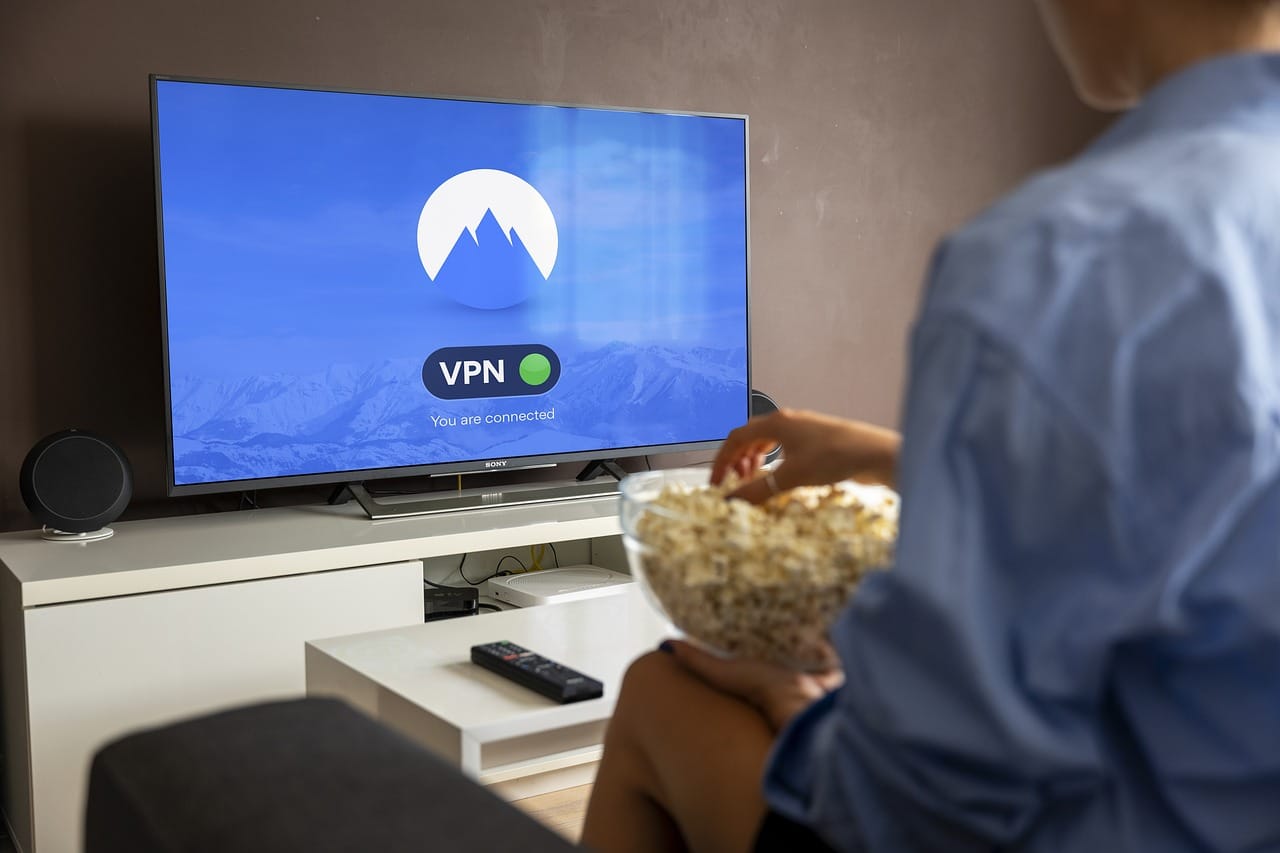
However, using a VPN does not mean someone will automatically be traced either. What investigators can establish depends on the records available and the circumstances.
Do You Need a TV Licence to Watch Through a Fire Stick?
The UK TV Licence requirement is separate from the laws governing illegal streaming subscriptions.
A licence is required to watch or record live television on any channel or service, whether through a traditional television, computer, phone or streaming device.

Viewers also need a TV Licence to watch or download programmes through BBC iPlayer, including on-demand content.
Those watching only on-demand programmes through services such as Netflix, Disney+ or ITVX generally do not need a licence, provided they are not watching live television or using BBC iPlayer.
The standard annual colour TV Licence fee increased to £180 on 1 April 2026. Using a VPN does not remove these legal requirements.
Are Illegal Streaming Penalties Different Abroad?
The consequences of using unauthorised IPTV services vary between countries, particularly in Europe.
In Italy, financial police announced an investigation in May 2026 into an alleged piracy network associated with approximately €300 million in losses to rights holders.
Authorities identified around 1,000 users who could face penalties ranging from €154 to €5,000.
Those were potential financial penalties identified during the investigation, rather than evidence that every subscriber had already been fined.
In the Republic of Ireland, Sky issued approximately 200 cease-and-desist letters in May 2026 to suspected customers of an unauthorised IPTV supplier.
The action followed legal proceedings involving payment information, with recipients warned that further civil proceedings could follow if they continued using illegal services.
Possible consequences included injunctions, damages and recovery of legal costs.
Germany has also seen extensive copyright enforcement through civil claims, particularly involving peer-to-peer file-sharing. However, those cases can involve users simultaneously distributing copyrighted files and should not be treated as directly equivalent to watching an ordinary internet stream.
These differences show why a financial penalty reported overseas does not automatically apply to someone watching television in Britain.
Are Illegal Streaming Services Safe, and What If You Already Own One?
Legal consequences are not the only potential concern for viewers.
Cybersecurity researcher James Bores explained that unofficial services can expose users to greater risks because they operate outside the security checks used by legitimate platforms.
Risks can include malicious downloads, financial scams, stolen credentials and misuse of personal information, although they vary considerably between services.

For people who have already purchased a modified Fire TV Stick, the device itself does not necessarily need replacing.
Removing unauthorised applications and subscriptions will generally allow it to continue being used with legitimate services, including BBC iPlayer, ITVX, Prime Video and Netflix.
Someone who unknowingly purchased an unauthorised service may also be in a different legal position from someone who deliberately obtained paid television dishonestly. The facts of the individual case remain important.
Anyone receiving genuine legal correspondence relating to an illegal streaming subscription should consider seeking independent legal advice.
Rav Wilding’s warning highlights how investigations into illegal television suppliers can extend to their customers.
What the documented evidence does not establish is that millions of ordinary viewers are automatically facing prosecution or that the lengthy sentences imposed on suppliers will be applied to everyone purchasing a subscription.
The distinction remains between legally owning a streaming device and using a service that has the necessary rights to provide the programmes being watched.
BBC Morning Live is broadcast on BBC One and available through BBC iPlayer. Further guidance is available from the UK Intellectual Property Office.
Image credit: BBC / Morning Live