Greta Garbo Returns On Screen in New AI Recreation
Hollywood legend Greta Garbo has been recreated with AI for a new screen campaign more than three decades after her death, with her family involved in the project.


Hollywood legend Greta Garbo has returned to the screen through artificial intelligence more than 36 years after her death. The new recreation was unveiled on September 30, 2026, as part of a campaign from Swedish engineering company SKF, bringing one of cinema’s most recognisable stars back into moving images with the involvement of her family.
The project is particularly striking because Garbo died in 1990 and withdrew from acting decades before modern digital filmmaking existed. Rather than simply using restored archive footage, the campaign uses AI technology to recreate her for new material connected to a company she had links with more than a century ago.
Why has Greta Garbo been recreated with AI?
Before becoming one of Hollywood’s defining stars, Garbo appeared in a Swedish industry campaign film made for an international audience, with SKF among the companies featured. The new project deliberately returns to that history by placing her at the centre of a modern campaign about reducing friction in machinery.
The recreation was developed with the involvement of Garbo’s family and Harriet Brown & Company, which represents interests connected with her legacy. That consent is an important part of the story at a time when entertainment companies, performers and unions are debating how the faces and voices of both living and deceased stars should be used with artificial intelligence.

SKF has not presented the recreation as a new Greta Garbo performance or film role. Instead, her digital appearance forms part of a campaign promoting magnetic bearing technology designed to allow rotating machinery to operate without physical contact between some moving components.
Who was Greta Garbo?
Garbo was a Swedish-born actress who became one of the biggest stars of Hollywood’s early sound era after first finding success in silent cinema. Films including
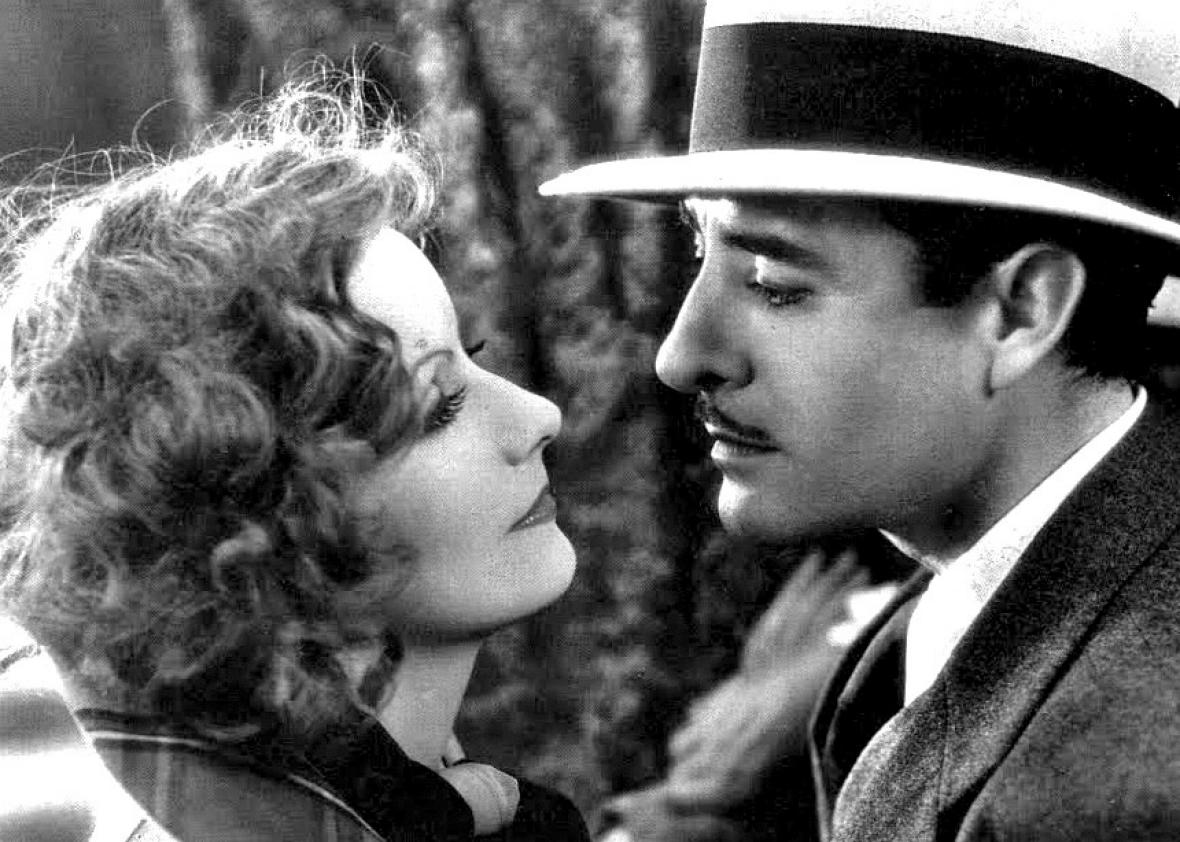
Anna Christie, Grand Hotel, Queen Christina, Camille and Ninotchka helped establish an image that remained closely associated with classic Hollywood long after she stopped acting.
Her career was also unusually short for somebody who achieved such lasting fame. Garbo retired from acting in the early 1940s while still in her thirties and largely withdrew from public life, making her eventual absence from the screen part of the fascination that continued to surround her.
She died in New York in April 1990 at the age of 84. The arrival of technology capable of creating convincing digital versions of performers therefore raises possibilities that would have been unimaginable during Garbo’s lifetime.
AI is making screen returns possible in a new way
Digital recreations of performers are not entirely new, with visual-effects teams previously using computer-generated imagery, body doubles and other techniques to recreate or alter actors. Generative AI is making the process increasingly accessible, however, while also raising much bigger questions about permission and control.
A deceased performer cannot personally approve a new appearance, making the involvement of estates, families and rights holders particularly important. Garbo’s recreation offers a very different example from unauthorised AI deepfakes because the campaign was developed with people responsible for protecting her legacy.
The timing is also notable as entertainment unions and studios continue establishing rules around digital replicas. A digital replica can reproduce aspects of a performer’s face, body, voice or performance, potentially allowing new material to be created without requiring that person to appear physically in front of a camera.
That technology can be used with permission, but the same tools can also create convincing material involving somebody who never agreed to take part. The question increasingly facing entertainment is therefore not simply whether a digital human can be created, but who gets to decide when and how that recreation appears.
Garbo’s return demonstrates just how far the technology has progressed. A performer who left Hollywood more than 80 years ago can now appear in newly created screen material, turning questions about an actor’s image and legacy into issues that may continue long after their lifetime.