George Clooney Warns Hollywood Has a Serious AI Deepfake Problem
George Clooney has raised serious concerns about AI and deepfakes in Hollywood, warning that fake videos are becoming increasingly difficult to identify.

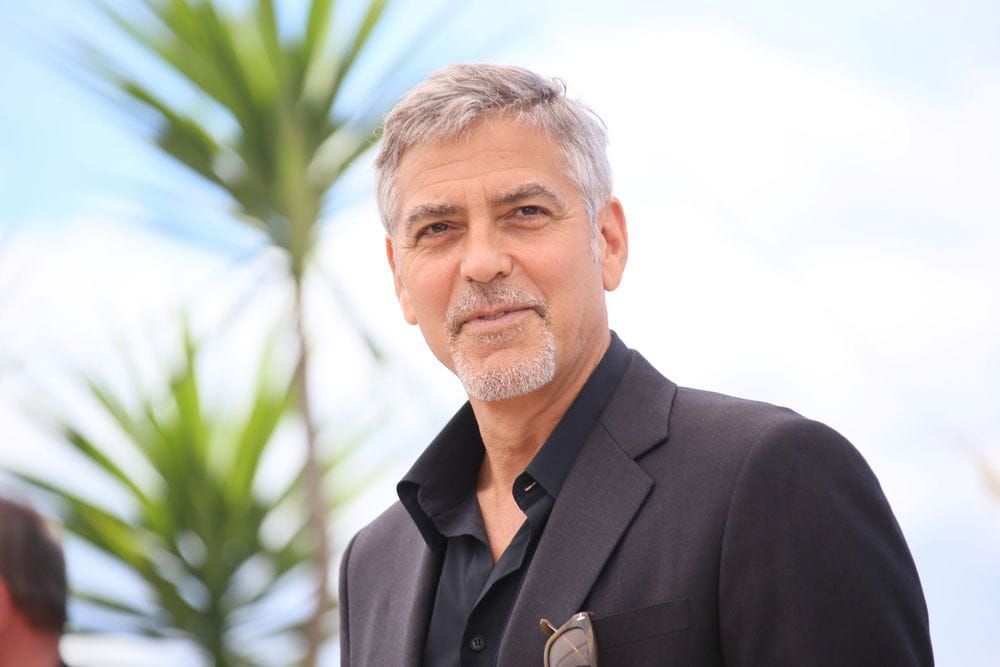
George Clooney has raised fresh concerns about artificial intelligence and deepfake technology, warning that increasingly convincing fake footage could make it much harder for audiences to know what is real.
Speaking at the Venice Film Festival on 2 September, Clooney discussed the rapid development of AI and the effect it could have on film, journalism and public trust. His comments came as he attended the festival to receive the Golden Lion for Lifetime Achievement
Clooney has already seen fake footage of himself
Clooney said he had already encountered AI generated videos that appeared to show him saying things he had never actually said. For actors and other public figures, that raises an obvious question about how much control they can realistically keep over their face and voice as the technology becomes more convincing.
He also joked about what might happen to his likeness after his death, saying: “I don’t want to be selling Depends in 30 years.” Depends is a US brand of incontinence underwear, but behind the joke was a serious concern about whether performers could lose control of how their image is used after they die.
The line drew attention, but the wider point was more serious. If AI systems can recreate someone convincingly, performers may face growing pressure to protect how their image is used both during their lifetime and afterwards.
AI could create a much bigger trust problem
The concern goes beyond fake celebrity clips. Clooney warned that deepfakes could eventually damage confidence in genuine footage too, because people may begin questioning whether anything they see on a screen is authentic.
That could become a major issue for film, television and journalism. AI can already create increasingly realistic images, voices and video, but the technology also makes it easier to fabricate material involving real people without their involvement.
Clooney also discussed the wider impact AI could have on filmmaking and the creative industries. He acknowledged that the technology is likely to become part of Hollywood, but his comments made clear that the industry still has difficult questions to answer around identity, authenticity and who ultimately controls the use of a performer’s likeness.
Hollywood now has more than a technology problem
Much of the debate around AI in entertainment has focused on copyright, jobs and how studios might use generative tools in production. Clooney’s comments push another issue further into the spotlight: whether audiences will continue to trust what they are watching.
That could become one of the biggest challenges facing entertainment companies as AI improves. The technology may offer new creative possibilities, but Hollywood will also have to show that real people, real performances and genuine footage can still be clearly distinguished from synthetic material.
For more on artificial intelligence across film, television, music and digital media, keep checking SoapLandTV’s AI & Entertainment section for the latest stories and industry developments.
Sources: Reuters, Associated Press, The Hollywood Reporter, Euronews and The Guardian reporting from the 2026 Venice Film Festival.