Gay Games XII Valencia 2026 Set to Bring Sport, Culture and Inclusion to a Global Stage


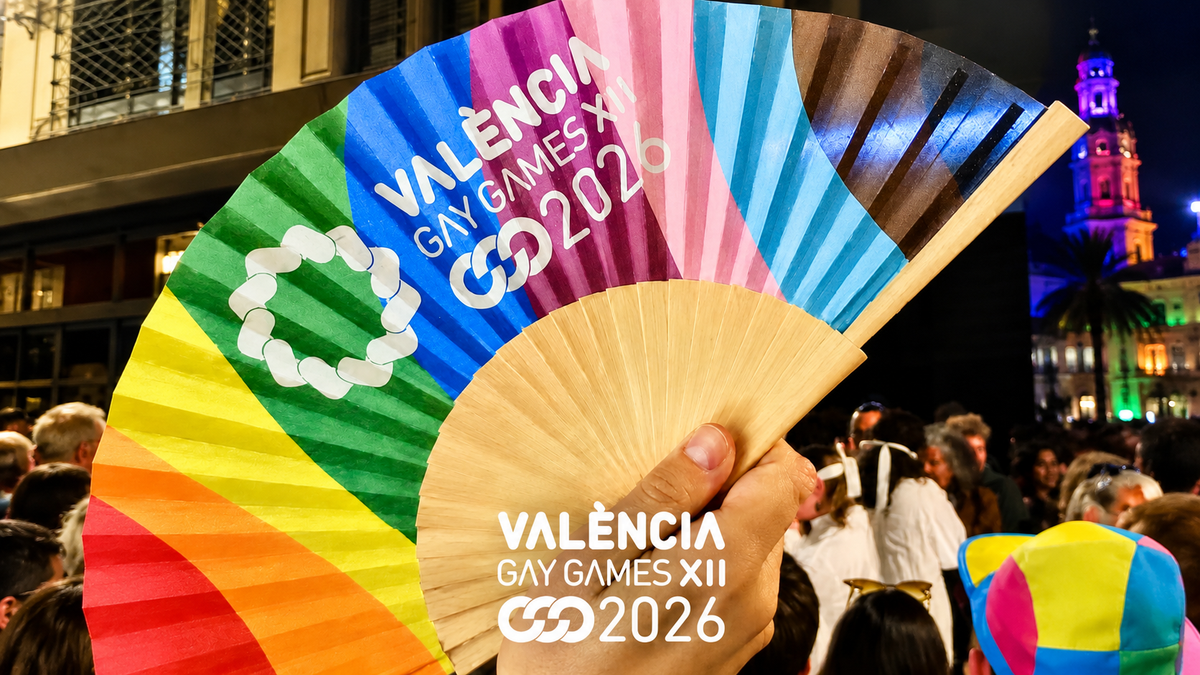
More than 9,500 athletes from over 80 countries are preparing to descend on Valencia as the city hosts Gay Games XII, one of the world’s largest LGBTQ+ sporting and cultural events.
Running from 27 June to 4 July 2026, the Games will transform Spain’s third largest city into a global meeting point for athletes, performers, artists, volunteers and supporters from across the world.
While medals will be won and sporting records challenged, the Gay Games have always represented something much bigger than competition alone.
Founded by Olympic decathlete Tom Waddell in 1982, the event was created to provide an inclusive sporting environment where participation mattered more than podium finishes. More than four decades later, that philosophy remains at the heart of the Games.
Valencia now becomes the first Spanish city to host the event, marking a significant moment both for the city and for LGBTQ+ sport internationally.
More Than A Sporting Event
Unlike traditional international competitions, the Gay Games are open to everyone regardless of age, sexuality, gender identity, nationality, religion or athletic ability.
Participants can compete in elite level competition or simply take part for the experience.
This year’s programme includes 39 sports ranging from athletics, football, basketball and swimming to fencing, rugby, volleyball, triathlon, golf and tennis.
Thousands of competitors will take part across venues throughout Valencia, while visitors can also enjoy a packed cultural programme designed to celebrate creativity, diversity and community.
The Games have always blended sport with culture, recognising that many LGBTQ+ people have historically found expression through both athletic achievement and artistic performance.
Opening Ceremony Set To Launch The Week
The Games officially begin on 27 June with a major opening ceremony at the Ciutat de València Stadium.
The event is expected to feature the traditional Parade of Nations alongside performances from Spanish music stars including Mónica Naranjo and Soraya Arnelas, as well as other artists announced by organisers.
For many participants, the opening ceremony is often one of the most emotional moments of the entire week.
Athletes who may have spent years hiding parts of their identity in sporting environments are able to walk openly alongside thousands of others from around the world in a celebration of visibility and inclusion.
Culture Takes Centre Stage
Beyond the sporting competitions, Valencia 2026 has developed an extensive cultural programme.
Concerts, exhibitions, choir performances, talks, workshops and community events will run throughout the week.
Organisers have also highlighted the International Rainbow Memorial Run and the Memorial Quilt Exhibition among the events designed to reflect on LGBTQ+ history and remember those lost over previous decades.
Music will play a major role throughout the Games, with concerts and performances scheduled across the city.
The cultural programme reflects one of the founding principles of the Gay Games: that sport and culture can work together to build stronger and more connected communities.
The Economic Impact For Valencia
Hosting the Gay Games is expected to provide a major boost for Valencia’s tourism industry.
Thousands of international visitors will require accommodation, restaurants, transport and entertainment throughout their stay.
The Games arrive during a busy summer period and place Valencia in front of a global audience.
For many visitors it will be their first experience of the city, creating opportunities for repeat tourism long after the closing ceremony concludes.
The event also allows Valencia to showcase its sporting facilities, cultural attractions and Mediterranean lifestyle to visitors from every continent.
Challenges Alongside Celebration
The build up to Valencia 2026 has not been entirely without controversy.
Some LGBTQ+ organisations in Spain have criticised aspects of the event and wider political issues within the region.
Several groups have chosen not to participate as organisations, citing concerns about local policies and what they see as tensions between celebration and activism.
Despite those disagreements, thousands of athletes have still registered to compete and many participants continue to view the Games as a unique opportunity to bring people together through sport and culture.
The discussions highlight the broad range of views that exist within LGBTQ+ communities while also demonstrating the significance of an event capable of generating international attention.
Why The Gay Games Still Matter
The Gay Games began with around 1,300 participants in San Francisco in 1982.
More than forty years later, the event has grown into one of the largest LGBTQ+ gatherings in the world.
Its continued success reflects how much sport has changed while also highlighting the work that remains to ensure everyone feels welcome in sporting environments.
For some participants, Valencia 2026 will be about chasing medals.
For others, it will be about representing their country, meeting new friends, competing openly for the first time or simply being part of a global celebration of diversity.
As Valencia prepares to welcome thousands of visitors, Gay Games XII promises to be far more than a sporting competition.
It is a reminder of how sport, culture and community can come together on an international stage, creating connections that last long after the final medal has been awarded.