From London to Australia How LGBTQ+ Police Liaison Officers Are Building Community Trust
Discover how LGBTQ+ police liaison officers in Britain, Australia, America, Canada and New Zealand support communities and address historic mistrust.

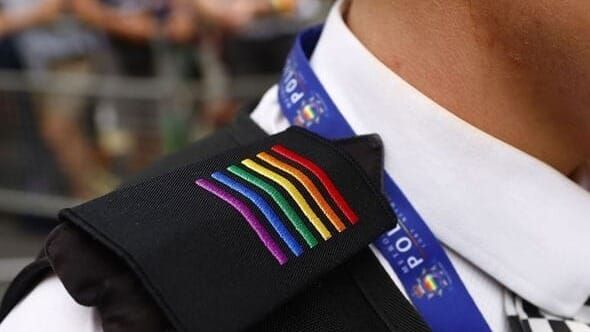
Police services across several countries have established specialist LGBTQ+ liaison roles to improve communication with communities whose relationships with law enforcement have been shaped by decades of criminalisation, discrimination and concerns about the treatment of victims.
Although the responsibilities differ between individual organisations, the underlying purpose is to provide LGBTQ+ residents with accessible points of contact while helping police officers understand the concerns, experiences and expectations of the communities they serve.
From specialist networks established in Australia during the 1980s to dedicated community liaison officers working across London, these arrangements demonstrate how police services have attempted to address difficult historical relationships while developing more consistent approaches to community engagement.
How Australia Helped Develop LGBTQ+ Police Liaison
New South Wales was among the early adopters of specialist gay and lesbian liaison arrangements, introducing dedicated roles during the 1980s when relations between police and LGBTQ+ communities were affected by historic discriminatory policing and concerns about violence.
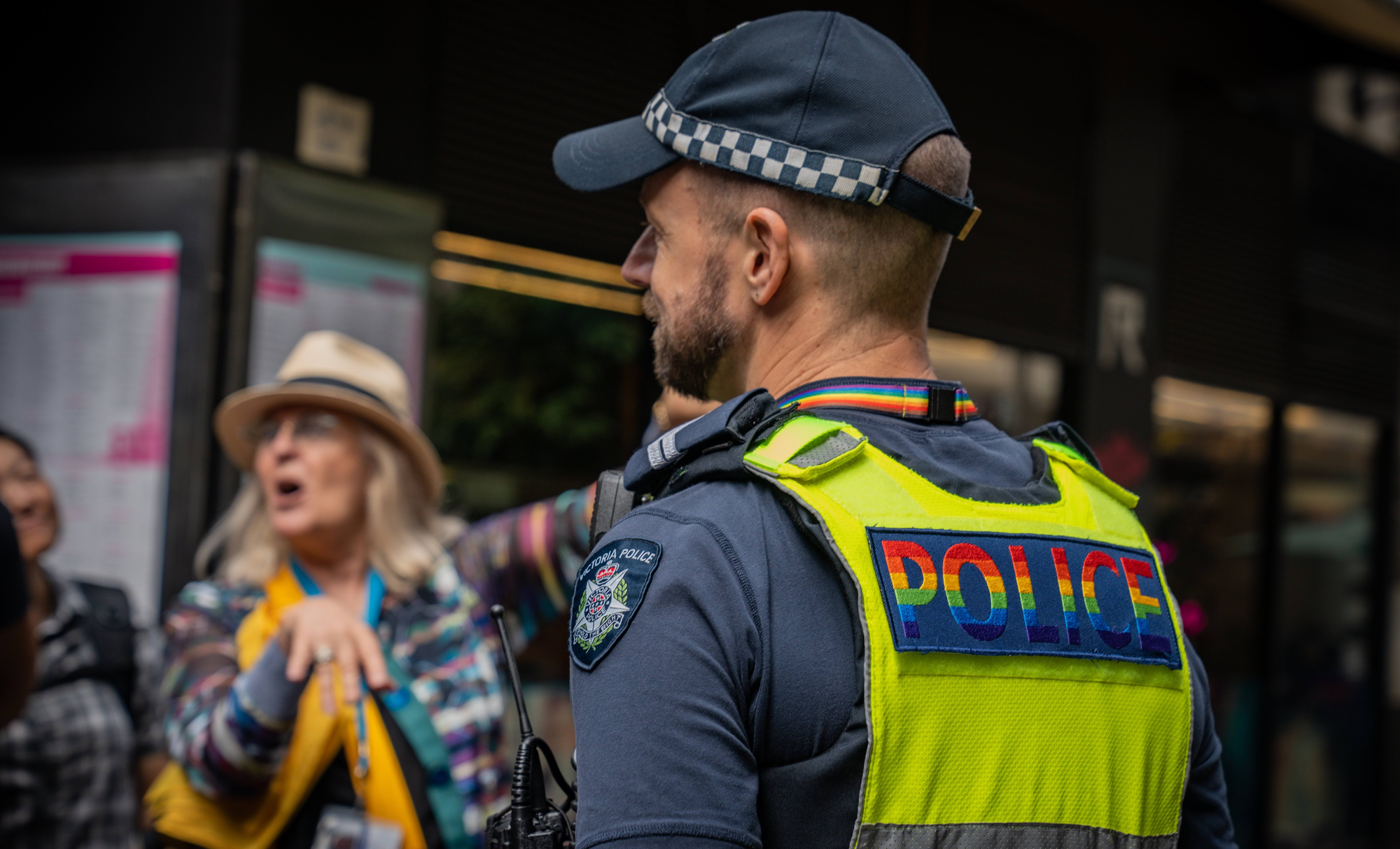
The programme developed during a period of considerable social and legal reform, providing a means for community representatives to communicate with police personnel while encouraging greater awareness of the circumstances affecting gay and lesbian residents.
As the initiative developed, specialist officers became involved in engagement work, providing advice to colleagues and helping residents understand how to report incidents or seek assistance from the police.
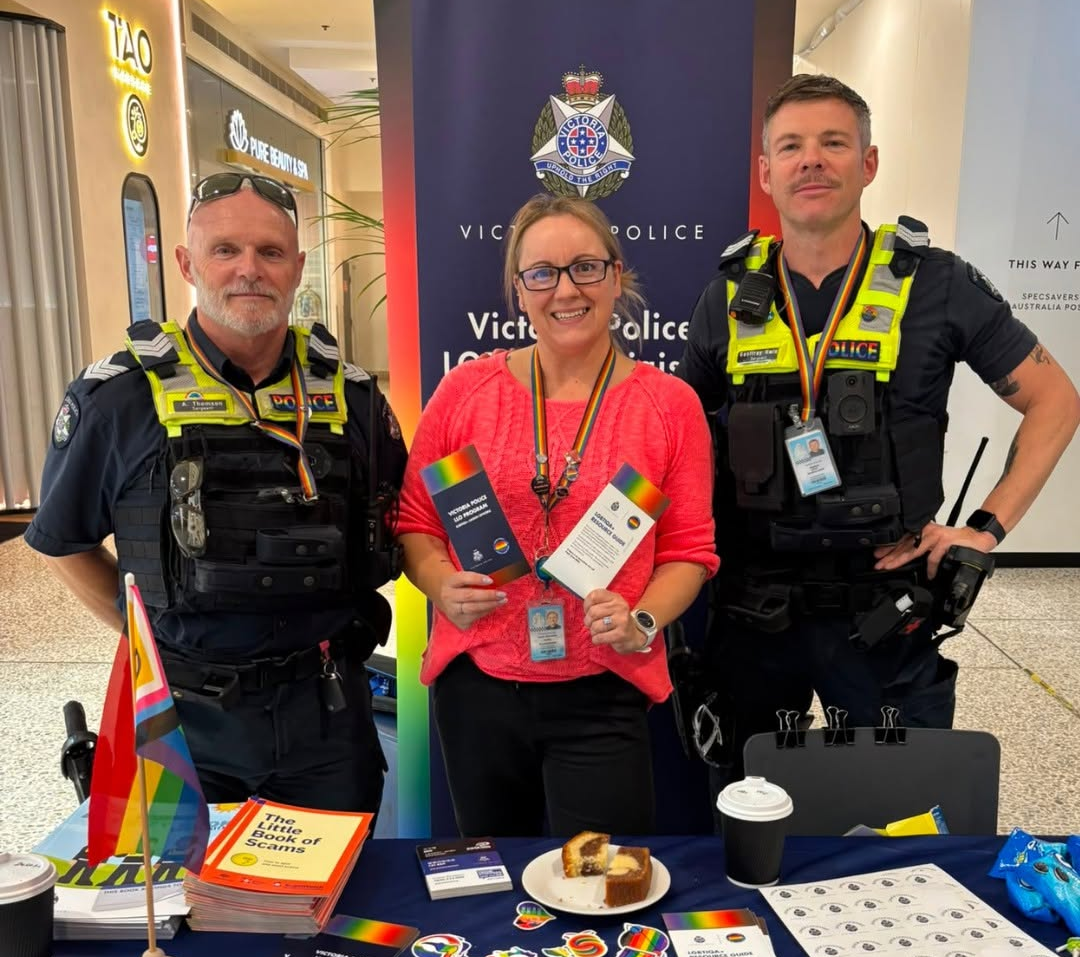
arrangements, contributing to a wider Australian approach in which community engagement became an established responsibility rather than an activity confined to annual Pride celebrations.
The Australian experience demonstrates that specialist liaison programmes are not a recent invention, having developed over several decades in response to changing laws, community expectations and the need to improve access to policing services.
London Restores Dedicated LGBTQ+ Community Officers
The Metropolitan Police introduced dedicated full-time LGBT+ Community Liaison Officers in February 2023, establishing specialist positions across London's policing regions with support from a wider network of volunteer officers and police staff.
Their responsibilities include supporting LGBTQ+ victims of crime, providing advice during investigations, working with community organisations and helping colleagues understand concerns involving homophobia, biphobia and transphobia.
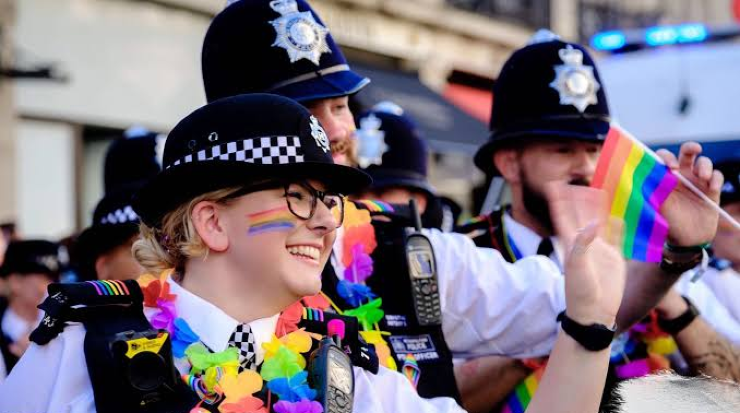
The return of dedicated positions formed part of efforts to improve community relationships following criticism of the force's previous engagement arrangements and wider concerns about professional standards.
London's history also illustrates why those relationships require sustained attention, particularly following the 1999 bombing of the Admiral Duncan pub in Soho, which killed three people and injured dozens more in an attack targeting the LGBTQ+ community.
The London LGBT+ Independent Advisory Group was established in 2000 following the bombing and continues to provide an independent community perspective on policing issues, creating an additional route for consultation beyond the work carried out by individual liaison officers.
Detroit Develops Its Community Engagement Approach
In the United States, Detroit Police Corporal Angelica Robinson became the department's LGBTQ+ Liaison during spring 2026, bringing more than 30 years of law enforcement experience to a role focused on building relationships with LGBTQ+ residents.
Robinson has outlined ambitions to develop stronger partnerships with community organisations and establish an advisory arrangement involving healthcare professionals, legal services and representatives from different parts of the community.
Her approach also includes supporting LGBTQ+ police employees, reflecting the connection between workplace inclusion and the experiences of residents who interact with law enforcement personnel.
Although Detroit's arrangements differ from the larger network operating across London, both approaches recognise that establishing identifiable contacts can make police departments more accessible to people who might otherwise be reluctant to approach them.
How Canada and New Zealand Approach Liaison Work
Canadian police organisations have also developed engagement arrangements involving LGBTQ+ communities, with Toronto Police among the services that have maintained specialist outreach and community partnership initiatives.
The work can include communication with local organisations, participation in community events and discussions about safety concerns, although the structure and availability of dedicated officers differ between police services.
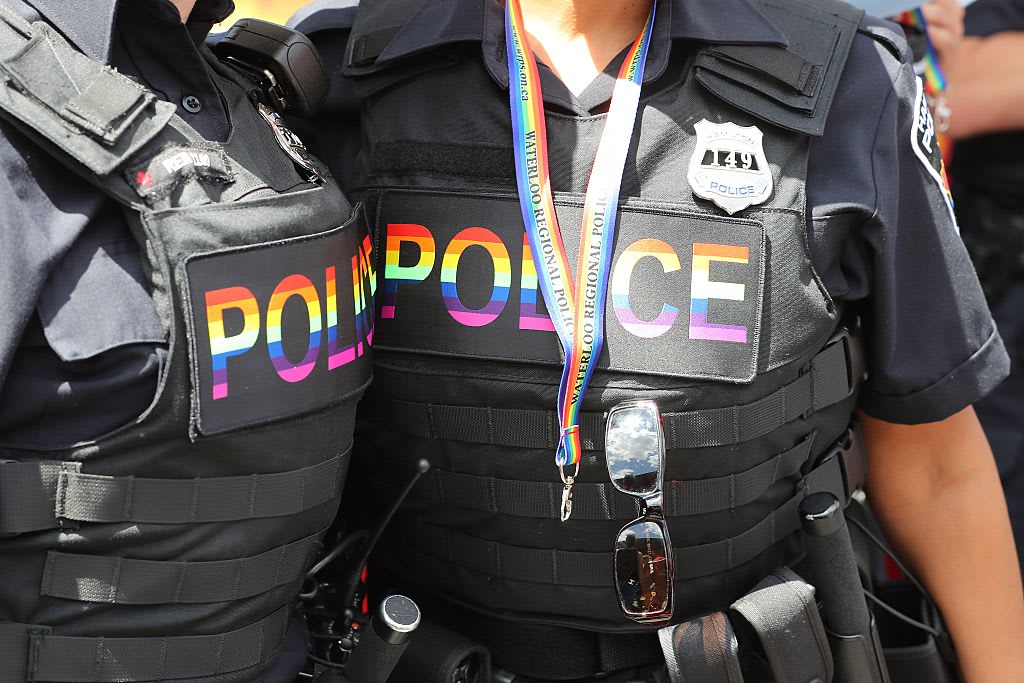
New Zealand Police operates diversity liaison arrangements designed to improve communication with communities, including LGBTQ+ people, while providing staff with opportunities to develop specialist knowledge and relationships.
These international examples demonstrate that there is no single organisational model, with some departments using dedicated full-time officers and others incorporating LGBTQ+ engagement into wider community policing responsibilities.
Why Police Participation at Pride Remains Controversial
Despite the development of specialist liaison roles, the relationship between LGBTQ+ communities and police organisations remains complicated, particularly where historical discrimination or more recent incidents have contributed to mistrust.
Research published by the Williams Institute in June 2026 found that 48% of LGBTQ+ adults surveyed in the United States supported police participation in Pride events, while 19% opposed it and 33% expressed neither support nor opposition.
The findings also demonstrated substantial differences between groups, with gay and lesbian respondents generally more supportive of police participation than transgender, non-binary and younger LGBTQ+ respondents.
These differences underline why police services cannot assume that participation in Pride events automatically demonstrates community confidence, with meaningful engagement requiring organisations to listen to individuals who hold different views about police involvement.
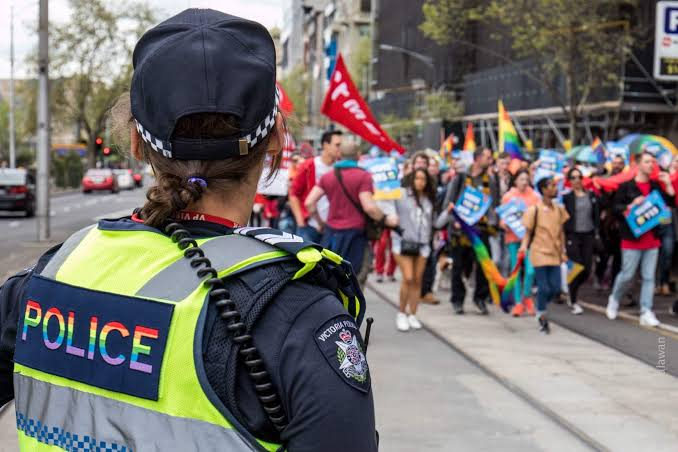
What Makes a Successful Liaison Programme?
Specialist liaison officers can help residents navigate police procedures, provide advice to colleagues and maintain relationships with organisations that support people experiencing discrimination or crime.
However, their contribution needs to be considered alongside wider issues such as accountability, professional conduct, staff training and the treatment of people making complaints or seeking emergency assistance.
The international development of LGBTQ+ liaison programmes illustrates a continuing effort to make police services more accessible, but their effectiveness ultimately depends on whether those arrangements lead to better experiences for the communities they are intended to support.
Further Information: Metropolitan Police LGBT+ Community Liaison Officers