Europe makes LGBTQ+ history with first equality strategy targeting everyday discrimination
Europe’s first LGBTQ+ equality strategy sets out plans covering families, education, healthcare, employment and protection from violence.

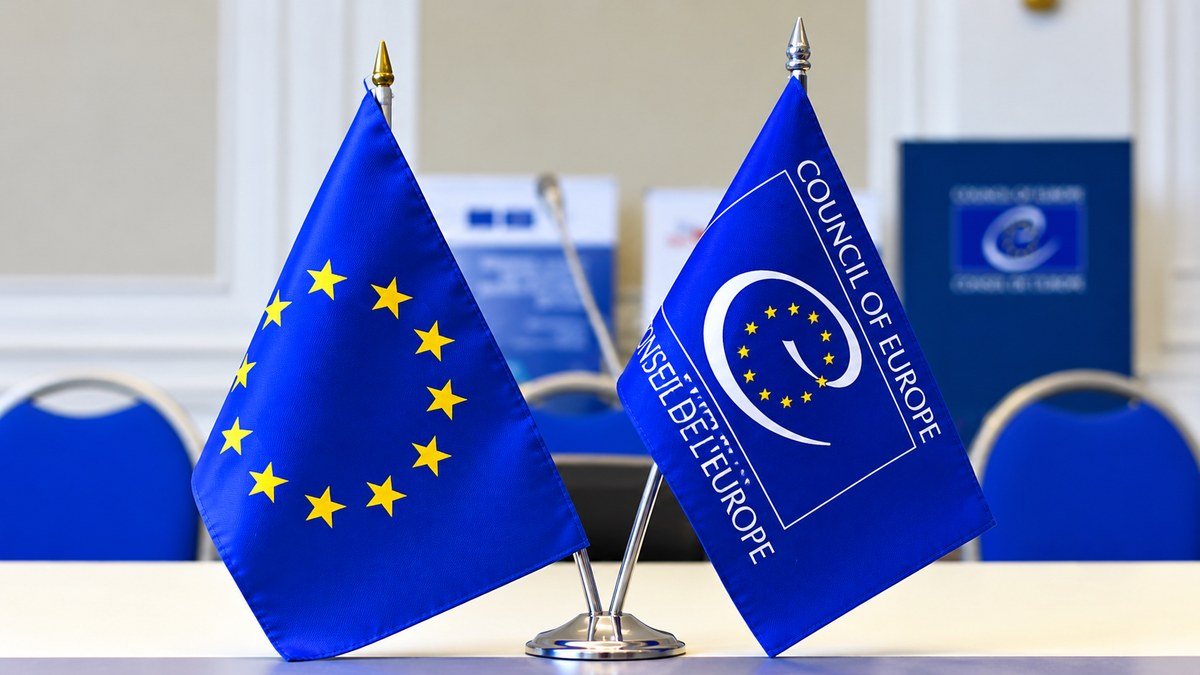
A new European LGBTQ+ equality strategy will focus on everyday areas including family life, schools, healthcare, employment and public services after being formally adopted for the first time.
The Council of Europe's Committee of Ministers adopted its Strategy for Equal Rights of LGBTI Persons 2027–2032 on September 23, creating a six-year framework for its work on LGBTQ+ equality.
The Council of Europe is separate from the European Union. It is an international organisation bringing European countries together around human rights, democracy and the rule of law.
The organisation uses LGBTI in the strategy's official title, while the measures cover people facing discrimination because of their sexual orientation, gender identity, gender expression or sex characteristics.
For ordinary people, some of the most relevant parts of the strategy concern areas they encounter throughout their lives.
It covers equality within family and private life, education, healthcare, employment, housing and access to public services. It also addresses violence, hate crime and discrimination.
One of its priorities is ensuring LGBTQ+ people can live with dignity and have their rights recognised in everyday life. Other areas include preventing violence and hatred, strengthening legal and institutional protections and responding to misleading narratives and disinformation about LGBTQ+ people.
However, adoption of the strategy does not mean that a new set of LGBTQ+ laws has immediately come into force across Europe.
Individual countries remain responsible for their own laws and policies. Instead, the strategy establishes priorities for the Council of Europe's work between 2027 and 2032 and provides a framework for cooperation, guidance and monitoring.
That means its practical impact will depend partly on what happens next within individual member states. The strategy also recognises that LGBTQ+ people do not all experience discrimination in the same way.
Age, disability, ethnicity, religion and socioeconomic circumstances can intersect with sexual orientation or gender identity and affect someone's experience of healthcare, education, employment or other services.
The Council of Europe has worked on sexual orientation and gender identity issues for years, but this is the first time those areas have been brought together within a dedicated long-term equality strategy.
Its four broad priorities cover dignity and equal rights, tackling disinformation, preventing violence and hatred and strengthening legal and institutional protection.
The next significant stage arrives in January 2027, when the strategy is expected to be formally launched and attention turns towards how its objectives are put into practice.
For LGBTQ+ people across Europe, that implementation will be the part to watch, particularly how individual countries respond to objectives covering families, schools, workplaces, healthcare and public services.
The Council of Europe's first Strategy for Equal Rights of LGBTI Persons covers 2027 to 2032, with its formal launch expected in January 2027.