EastEnders Explores The Cost Of Second Chances Through Joel's Controversial Return


Albert Square has always been a place where redemption and forgiveness are constantly tested. Characters arrive with troubled pasts, make serious mistakes and often attempt to rebuild their lives. Some are welcomed back into the community, while others find that certain actions leave scars that never fully heal.
Joel's return places that debate firmly back at the centre of EastEnders. While the practical consequences of his return are obvious, the bigger story lies in the different reactions it provokes from those around him. The storyline asks a difficult question that has appeared throughout the soap's history: how far should someone be allowed to move on after causing harm to others?
Not everyone in Walford agrees on the answer. For some, family loyalty means offering support and helping people rebuild their lives. For others, accountability remains more important than forgiveness. The tension between those two viewpoints creates the emotional heart of the story.
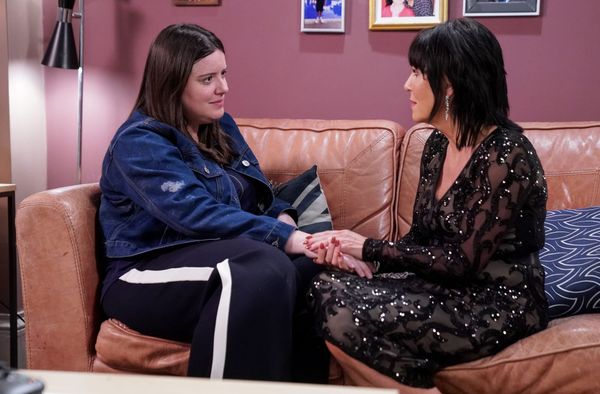
Vicki Fowler finds herself trapped between those competing positions. Having only recently returned from her honeymoon, she is quickly forced to deal with the fallout created by Joel's presence. Instead of focusing on her future with Ross, she is left navigating difficult conversations and growing opposition from those who feel strongly about the situation.
Amy Mitchell and Avani Nandra-Hart represent one side of the debate. Both are unwilling to simply accept Joel's return and make their feelings known. Their anger reflects a perspective often overlooked in redemption stories: the voices of people still dealing with the impact of what happened.
Their objections create uncomfortable questions for everyone involved. Can somebody truly move forward if those affected by their actions are not ready to forgive them? And should forgiveness ever be expected?
Those questions become increasingly important as the storyline unfolds. EastEnders has explored similar themes many times over the years. Characters including Ben Mitchell, Stacey Slater, Phil Mitchell and Janine Butcher have all experienced periods where they sought redemption after controversial actions. In each case, forgiveness was never guaranteed and trust had to be earned over time.
Joel's situation appears no different. The storyline avoids presenting a simple right or wrong answer. Instead, it highlights how complicated these situations can be for families and communities. Different characters view the same events through completely different lenses, making conflict almost inevitable.
Sharon Watts becomes an important figure within that debate. As someone connected to multiple people involved, she finds herself trying to maintain family unity while understanding why emotions remain so raw. It is a difficult balancing act and one she has faced many times before.
The strength of the storyline lies in its realism. In real life, second chances are rarely straightforward. People can change, but that does not automatically erase the hurt caused by past behaviour. Likewise, refusing forgiveness can sometimes carry its own emotional consequences.
By bringing those issues to the forefront, EastEnders is exploring a subject that extends far beyond one character's return.
Whether Joel eventually earns acceptance remains to be seen. What is already clear, however, is that his return has forced several residents to confront difficult feelings they would rather avoid. For some, it is a chance to move forward. For others, it is a reminder that certain wounds take far longer to heal.
That tension between forgiveness and accountability is what makes the story compelling, and it is likely to remain at the heart of the drama for some time to come.
Enjoyed the article? - SoaplandTV is your passport to the drama.
Explore our dedicated soap hubs for the latest Coronation Street, EastEnders, Emmerdale, Hollyoaks and Home and Away news, spoilers and features.