Could two-minute dramas become the next big thing in television?
Mobile dramas are generating billions worldwide as Channel 4 and other broadcasters explore short-form television. Could vertical TV become the next big thing?

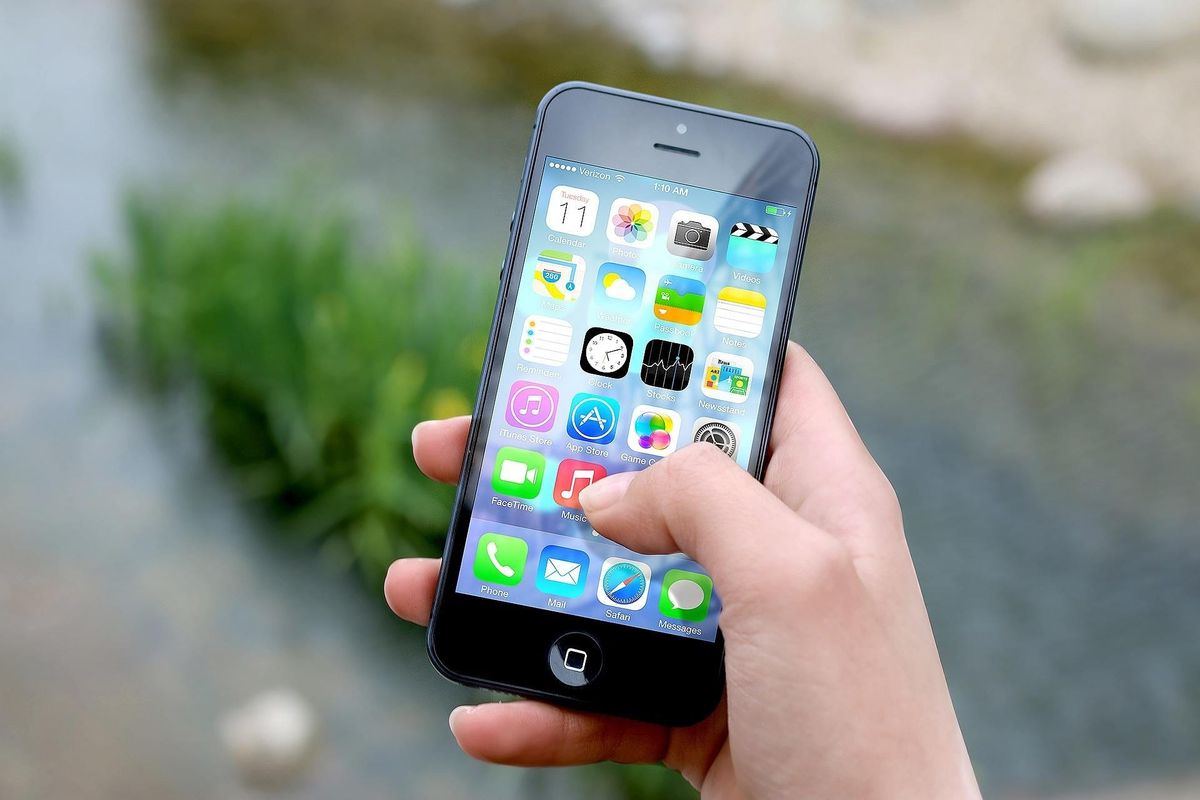
A television drama lasting just two minutes might sound more like a social media clip than a traditional programme, but mobile-first series are becoming one of the entertainment industry’s fastest-growing formats.
Known as micro-dramas, these short programmes are designed for smartphones, often featuring romance, family disputes and cliffhangers delivered through episodes lasting just one or two minutes.
The industry generated an estimated $11 billion worldwide in 2025, with that figure forecast to reach $14 billion by the end of 2026. Those are substantial sums for a format that many television viewers may never have encountered.
How does mobile television actually work?
Most micro-dramas are filmed vertically, using a 9:16 aspect ratio that fills a smartphone screen when held upright. Traditional television generally uses a 16:9 widescreen format.
That difference affects how productions are filmed. Camera operators need to think about tighter framing, close-ups and how characters fit into a narrower picture, rather than simply cropping an existing television programme.
The storytelling is different too. Instead of waiting until the end of a half-hour episode for a cliffhanger, a micro-drama might introduce another development every couple of minutes.
Viewers can then move straight to the next instalment, creating an experience closer to scrolling through social media than settling down to watch an evening television programme.
Some productions are available free through social platforms, while others are distributed through dedicated apps such as ReelShort and DramaBox. These services can offer introductory episodes without charge before asking viewers to pay for further instalments.
The figures behind the mobile TV boom
Research published by Omdia in February 2026 revealed that some micro-drama apps are achieving longer daily viewing sessions than major streaming services among their American mobile users.
During the final quarter of 2025, ReelShort users in the United States spent an average of 35.7 minutes per day on the app, compared with 24.8 minutes for Netflix, 26.9 minutes for Amazon Prime Video and 23 minutes for Disney+.
However, Netflix still had a much larger mobile audience, with around 12 million monthly active users in the US compared with approximately 1.1 million for ReelShort.
The figures suggest that while micro-drama audiences are smaller, some viewers are spending considerable amounts of time following these shorter stories.
The growth is also apparent in app downloads. Mobile analytics company Adjust reported that short-drama apps generated 2.3 billion downloads worldwide in 2025, with downloads increasing by 186% year-on-year during the final quarter.
Time spent using these apps rose by 311% over the same period, while downloads of traditional streaming apps fell by 7%. Downloads are not the same as individual viewers, but the figures demonstrate how quickly interest in the format is growing.
Channel 4 is already experimenting
In Britain, Channel 4 launched its first branded vertical drama, The Guest List, on 24 October.
The five-part series follows four young women navigating friendships, careers and relationships in London, with episodes created specifically for social media.
It was developed with beauty company Sol de Janeiro, whose fragrance range helped inspire the four main characters.
The commercial partnership highlights another potential direction for television funding, with brands supporting scripted entertainment rather than relying entirely on traditional advertising.
Australia’s Channel Seven is also developing a brand-funded micro-drama connected to Home and Away, although details of that project remain limited.
The two announcements show how established broadcasters are beginning to explore a format previously associated mainly with specialist mobile apps.
Is this really the future of television?
Despite the impressive growth, mobile dramas still face questions about storytelling, accessibility and cost.
Traditional television gives characters time to develop across longer episodes, while vertical dramas often rely on faster plots and frequent cliffhangers to keep audiences watching.
There are also concerns about how viewers pay. Some services use subscriptions or in-app purchases, meaning the cost of watching a complete series can be less straightforward than paying for a conventional streaming subscription.
Brand-funded productions face another challenge. The advertising needs to fit naturally into the story rather than making viewers feel they are watching an extended commercial.
Perhaps mobile dramas are not destined to replace television at all. They could simply become another part of it, sitting alongside traditional soaps, streaming dramas and feature-length productions.
With billions being generated and major broadcasters entering the market, shorter stories are no longer just an experiment. Whether they become a lasting favourite will depend on whether viewers enjoy the programmes themselves, rather than simply the convenience of watching them on a phone.