Could Apple's New AI Home Security Features Make Your House Safer?
Apple's HomeView combines AI camera descriptions, intelligent alerts and smart home controls. We examine the benefits, privacy considerations and costs.

Home security cameras have become increasingly common, but recording activity is only part of keeping a property secure. Homeowners also need to understand what their cameras have captured, decide whether an alert requires attention and distinguish routine events from something potentially concerning.
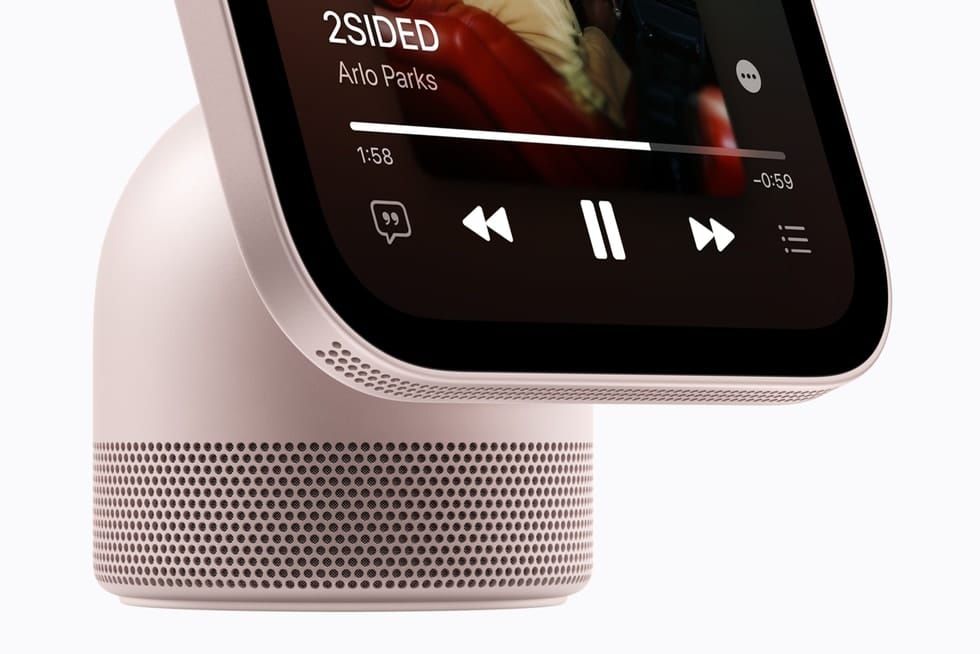
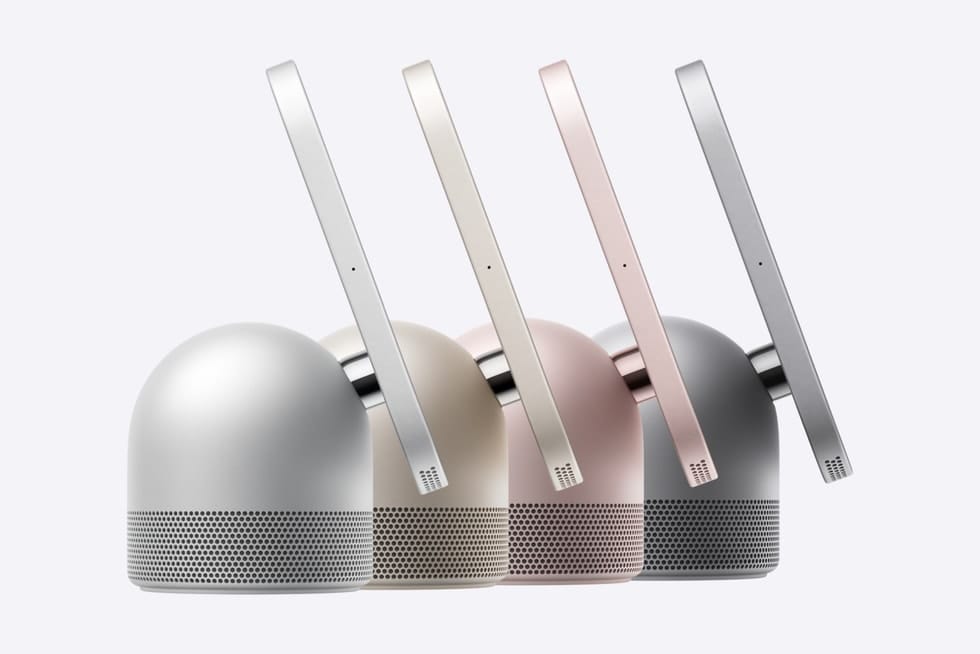
Apple's new HomeView smart display aims to make that process easier by combining camera monitoring, intelligent notifications and AI-assisted video descriptions in one household device. Arriving in Britain on 13 November 2026, the £299 display can show live footage from compatible cameras and provide access to connected security accessories.
However, there is an important distinction between making security information easier to understand and actually preventing crime. HomeView offers tools that could improve household awareness, but Apple has not established that the device reduces burglary or replaces a professionally monitored alarm system.
How does HomeView use AI to monitor a property?
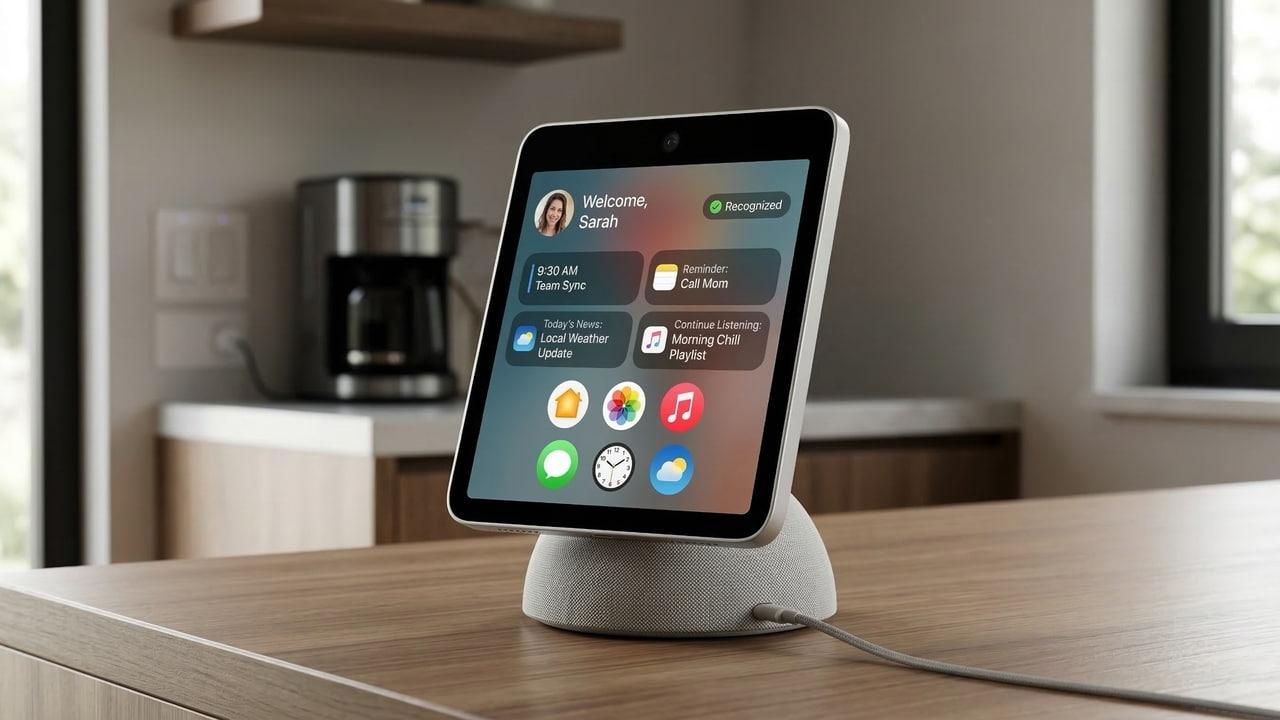
Apple says HomeView can display up to nine live camera feeds simultaneously, allowing users to monitor several areas of a property through one screen. A household with compatible cameras covering a front door, garden or driveway could therefore view different locations without opening several separate applications.
The device also works with HomeKit Secure Video, which supports encrypted recordings and intelligent recognition when used with compatible equipment and an eligible iCloud+ subscription.
Apple describes the ability to recognise people, familiar faces, pets, packages and vehicles, helping notifications provide more context than a conventional movement alert. This could make it easier to distinguish a doorstep delivery from an animal moving through a garden.
AI-generated video descriptions are another feature, allowing users to understand the apparent content of recorded clips without watching them in full. Natural-language search can also help locate particular recordings, although these capabilities require additional setup using an Apple Intelligence-enabled iPhone or iPad.
The number of cameras supported by some advanced features depends on the subscription selected. Consequently, the ability to view nine live feeds should not be confused with unrestricted AI analysis or recording storage across nine cameras.
HomeView can also detect the sound of smoke and carbon monoxide alarms and send notifications to compatible Apple devices. This may provide an additional warning when someone is elsewhere in the property, but it does not replace properly installed and maintained safety alarms.
The device also supports compatible smart locks, lighting, thermostats and blinds, allowing different household functions to be managed through one interface. These accessories are generally separate purchases, so the cost of a complete installation could be considerably higher than the HomeView display itself.
Could intelligent cameras reduce unnecessary alerts?
One potential advantage of AI-assisted monitoring is the ability to classify activity rather than simply detect movement. Conventional cameras can generate large numbers of notifications, particularly in areas where animals, vehicles or changing weather conditions trigger motion detection.
More detailed classifications could help householders identify which recordings deserve attention. However, the effectiveness of that approach depends on accuracy, and no intelligent camera system should be assumed to identify every event correctly.
A false positive occurs when a system incorrectly identifies something as an event of interest, potentially generating an unnecessary alert. A false negative occurs when the system fails to identify an event that should have been detected.
Both types of error are relevant to home security because too many unnecessary alerts can encourage people to ignore notifications, while missed detections may prevent them from noticing activity they would otherwise have investigated.
Apple has outlined HomeView's capabilities but has not provided enough independent performance evidence to establish how accurately its AI descriptions and classifications operate across different lighting conditions, weather or camera positions.
There is also a legal and privacy dimension for British households. The Information Commissioner's Office advises people using domestic CCTV to consider whether their cameras capture areas beyond their property, including neighbouring gardens, shared spaces and public footpaths.
Where cameras record identifiable individuals outside the household's private property, additional data protection responsibilities may arise. Homeowners should therefore consider camera positioning and recording settings rather than assuming that domestic CCTV is automatically exempt from privacy requirements.
Apple says HomeKit Secure Video uses end-to-end encryption, while HomeView's Secure Exclaves provide protected processing environments for certain camera and microphone information. These safeguards are relevant, but account security, device configuration and access permissions remain important considerations.
Another issue is the response to an alert. An AI system might describe someone approaching a property, but it cannot independently determine whether that person is committing an offence or whether the situation requires emergency assistance.
Security cameras can provide useful information, but they should form part of a wider approach that includes appropriate locks, lighting, alarm systems and sensible household precautions.
For people already using compatible Apple equipment, HomeView could make monitoring more convenient by bringing footage and controls together in one location. Households starting from scratch should calculate the cost of cameras, accessories and subscriptions before deciding whether the display is worthwhile.
The most realistic benefit is improved access to information rather than a promise of complete protection. HomeView could help people understand activity around their homes more quickly, but its real security value will depend on the quality of the connected equipment, the accuracy of its AI features and how responsibly the system is used.
Image credits: Apple.com