Could AI Facial Recognition Cameras Be Coming to UK Airports?
Facial recognition eGates are arriving at UK airports. Discover where they're available, who can use them, how fast they are and what happens to your data.

Facial recognition technology is already operating at Birmingham and East Midlands airports, with new contactless passport gates set to become available across the UK by early 2027. The technology allows eligible passengers arriving in Britain to complete automated identity checks without placing their passports on a reader, potentially making the journey through border control quicker and more convenient.
The Home Office began introducing the upgraded gates in October 2026, with testing showing they can process passengers up to 25% faster than conventional eGates. Similar technology is already being used at major international airports, including Singapore's Changi Airport, where biometric checks have reduced average immigration clearance times by 60%.
But which UK airports are getting the new equipment, who can use it, and what happens to the photographs collected during identity checks?
Which UK Airports Are Introducing Facial Recognition?
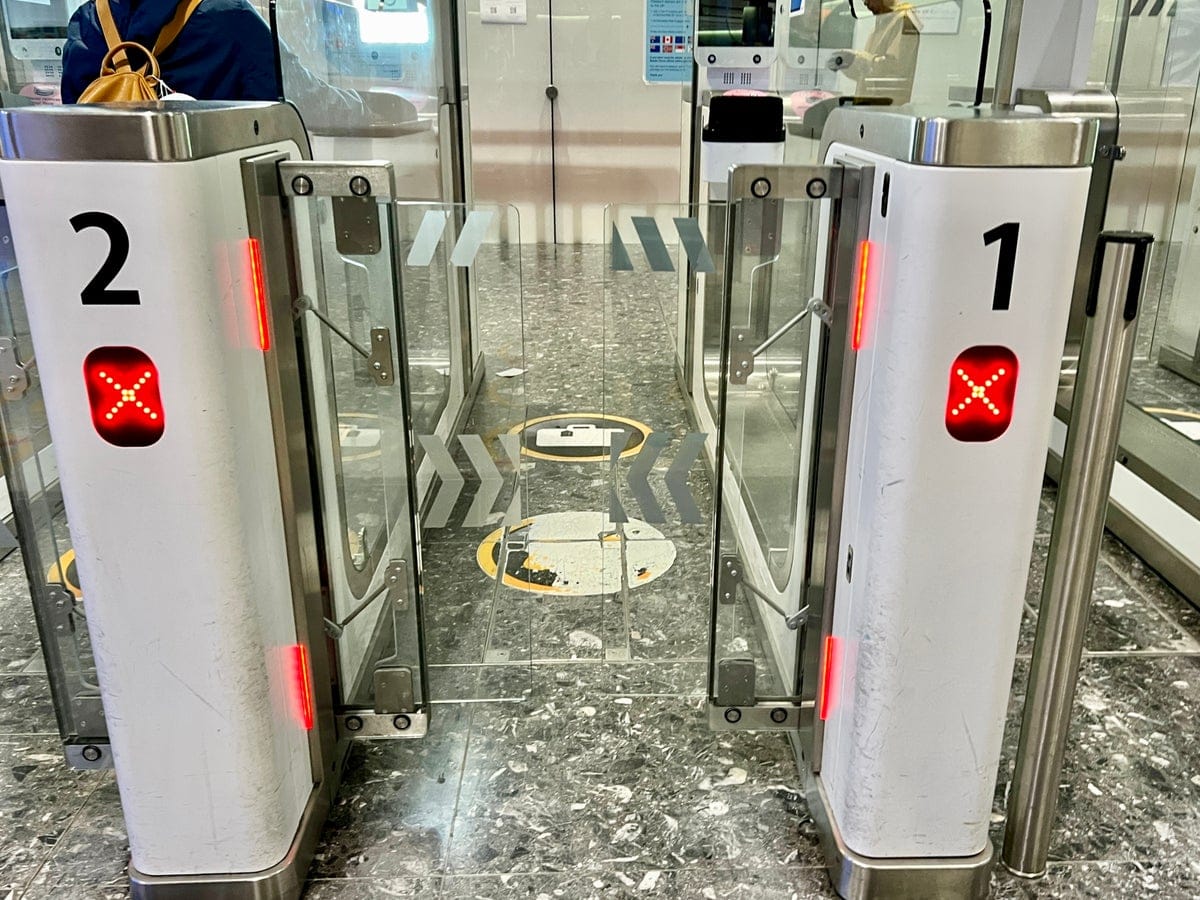
East Midlands Airport became the first UK airport to introduce contactless eGates on 6 October 2026, followed by Birmingham later that month. Both locations now have a limited number of upgraded gates, with further installations planned as part of a national rollout.
The Home Office has identified 13 airports for the programme, including Heathrow, Gatwick, Manchester, Stansted, Luton, Edinburgh, Glasgow, Bristol, Cardiff, Newcastle and London City, alongside Birmingham and East Midlands.
The government expects contactless eGates to become available across UK airports by early 2027, although individual installation dates have not been confirmed for every location.
The scale of the project is considerable, particularly when looking at passenger numbers. Heathrow alone handled 84.5 million passengers during 2025, including arrivals, departures and connecting travellers, while more than 290 conventional eGates currently operate across UK air and rail border locations.
Not all those passengers will be eligible for contactless processing, but improvements to automated identity checks could benefit substantial numbers of returning holidaymakers and business travellers.
How Does Facial Recognition Work at Passport Control?
Conventional eGates require passengers to place their biometric passport on a reader before looking towards a camera, allowing the system to compare their face with the photograph stored in their travel document.
The new contactless gates simplify that process by capturing a live facial photograph and checking it against verified immigration, passport and travel information already held by the authorities.
Behind the scenes, facial recognition software analyses distinguishing facial characteristics and converts them into mathematical information that can be compared with an authorised reference image. When the comparison and required security checks are successful, the gate opens automatically.
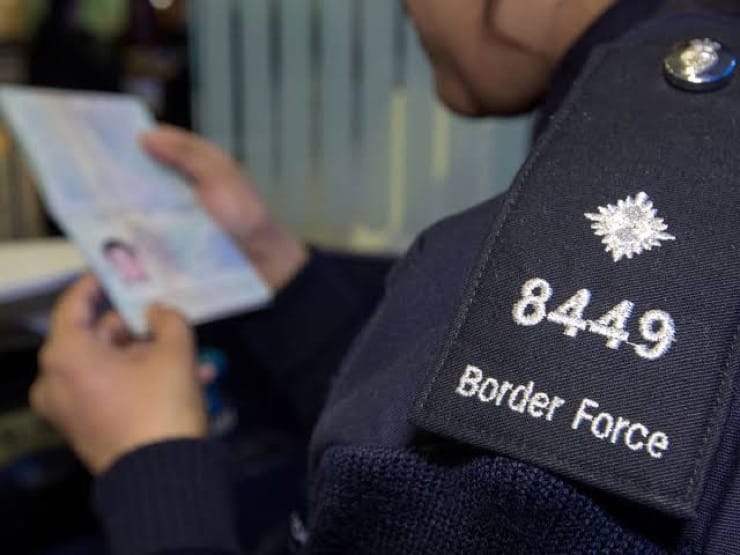
Passengers do not need to scan their passport at the gate when contactless verification works successfully, although Border Force officers remain available if additional checks are required.
The Home Office says testing has shown the new process can be up to 25% faster than using a passport on a conventional eGate. This refers to the automated checking process itself rather than a guaranteed 25% reduction in queues or the total time spent passing through an airport.
Who Can Use Contactless eGates?
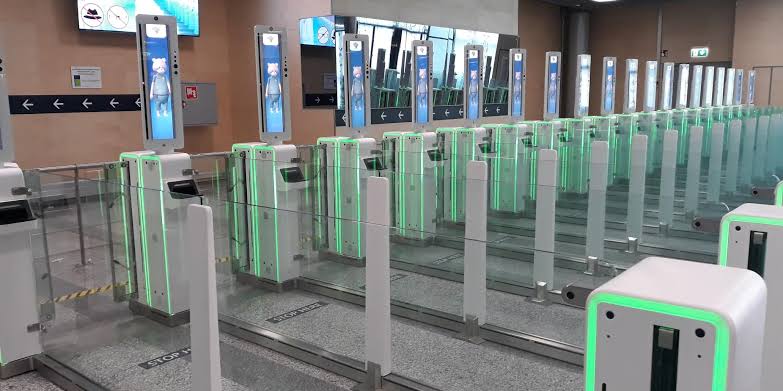
The upgraded gates are being introduced for passengers who already meet the UK's automated border control eligibility requirements.
British citizens and eligible travellers holding passports from EU countries, Australia, Canada, Iceland, Japan, Liechtenstein, New Zealand, Norway, Singapore, South Korea, Switzerland and the United States may be able to use the contactless technology.
For some non-British travellers, eligibility also depends on holding the appropriate immigration permission, such as a valid Electronic Travel Authorisation (ETA), eVisa or other recognised immigration status. Possessing a passport from an eligible country does not automatically guarantee that every traveller can pass through the gates.
Irish citizens and members of the Registered Traveller Service can continue using conventional eGates where eligible, although the Home Office says they cannot currently use the new contactless function.
Families are also benefiting from changes to automated border control introduced on 8 July 2026, when children aged eight and nine became eligible to use UK eGates for the first time.
Children must be at least 120cm tall, hold an eligible biometric passport and be accompanied by an adult if they are aged between eight and seventeen.
The Home Office estimates that lowering the minimum age from ten to eight will allow approximately 1.5 million additional children to use eGates with their families over a twelve-month period, based on 2025 arrival figures.
How Much Faster Is Facial Recognition Around the World?
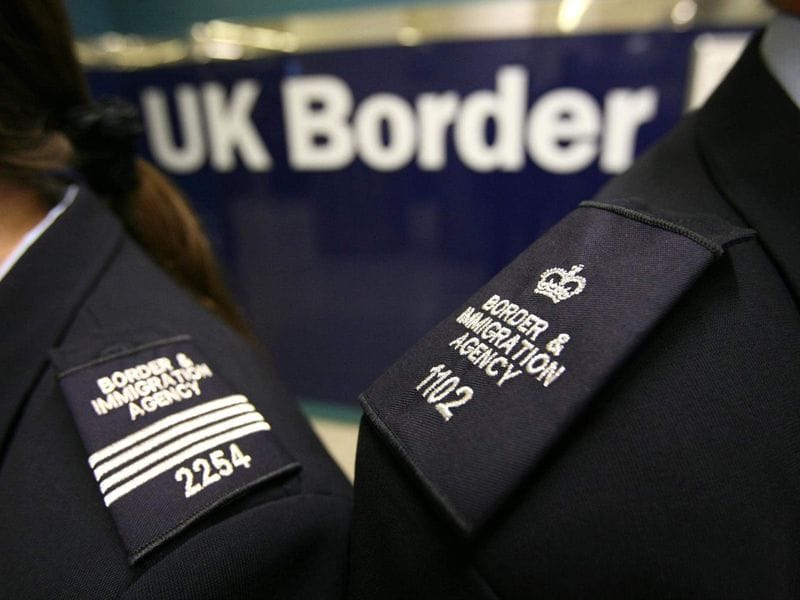
Singapore's Changi Airport provides one of the clearest examples of the benefits biometric technology can offer.
Since September 2024, passport-free immigration clearance has operated across all four terminals, allowing eligible passengers to verify their identities using facial recognition and iris scanning without presenting a physical passport during the automated process.
Singapore's Immigration & Checkpoints Authority reported that average clearance times fell from 25 seconds to just 10 seconds per traveller, representing a 60% reduction.
By 15 October 2024, approximately 1.5 million travellers had already used the passport-free system, including those involved in earlier trials.
There are some important differences in how the system operates. Singapore residents can use passport-free clearance for both arrivals and departures, while foreign visitors can use the facility when departing Singapore but must still present their passports on arrival.
The results provide an encouraging example of how biometric technology can improve passenger processing, although the UK's contactless eGates use their own systems and procedures.
America Has Already Completed More Than a Billion Biometric Checks
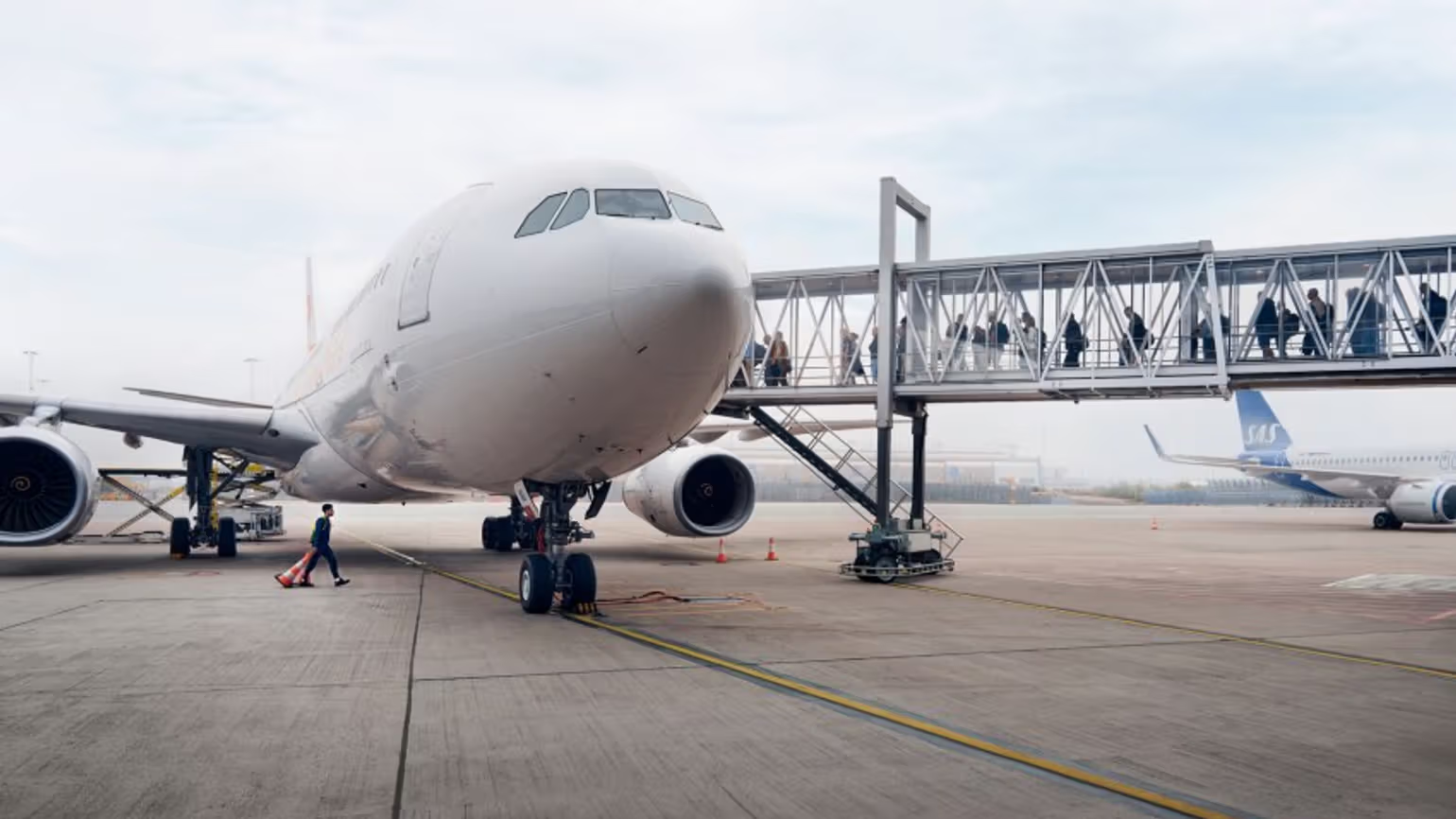
Facial recognition is also well established in the United States, where Customs and Border Protection has incorporated biometric identity checks into international airport operations.
In October 2026, the agency announced that it had completed more than one billion facial biometric identity verifications since introducing the technology. That figure covers several years of operations across air, land and sea borders rather than airport passengers alone.
Facial recognition has been incorporated into arrival processing at US airports handling international arrivals, while biometric departure checks have been introduced at 66 airports.
US authorities report facial matching accuracy exceeding 98%, although this is a reported performance measure across their programme rather than a guarantee that every individual traveller will be identified successfully.
The technology provides another method of confirming identities and detecting potential attempts to travel using fraudulent documents. Where automated verification cannot establish a match, conventional identity checks remain available.
The American experience demonstrates the scale at which biometric systems can operate, with millions of travellers using technology that is increasingly becoming part of international border control.
What Will UK Travellers Experience at European and Australian Airports?
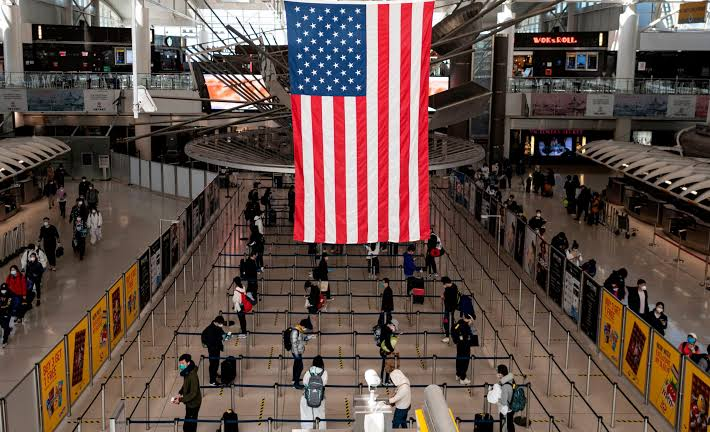
British holidaymakers visiting Europe are also encountering biometric border checks through the European Union's Entry/Exit System, known as EES.
The system became fully operational on 10 April 2026 across 29 participating European countries, replacing manual passport stamping for most non-EU visitors travelling for short stays.
For most British travellers, initial registration involves recording passport information alongside a facial photograph and fingerprints. The system then uses this information during subsequent border crossings to verify identity and record when visitors enter and leave participating countries.
Although EES is used at several types of international border crossing, it is particularly relevant to holidaymakers arriving at European airports. Initial registration may take additional time, while later journeys can benefit from the biometric information already recorded.
Australia has also been using facial recognition through its SmartGate system for several years, with automated passport processing available at major international airports including Sydney, Melbourne, Brisbane and Perth.
In June 2025, Australian Border Force lowered the minimum age for arrival SmartGates to seven, allowing more families to use the technology. Eligible children must be at least 1.1 metres tall, with those under sixteen subject to the accompanying-adult requirements.
These systems operate under different national rules, but they share the aim of improving identity verification and making international travel more efficient.
What Happens to Your Photograph After Facial Recognition?
One of the most important questions surrounding biometric technology concerns how passengers' facial images are stored and used.
The Home Office's biometric retention guidance states that facial photographs of British citizens captured at eGates or immigration control may be retained for up to 30 days. For travellers of other nationalities, the applicable period may extend to six years.
These are maximum permitted retention periods under the relevant policy, rather than confirmation that every photograph will automatically be stored for that length of time.
Different rules can apply to biometric information collected during other immigration procedures, while the Home Office must follow applicable data protection legislation and delete information when continued retention is no longer necessary for an authorised purpose.
Facial photographs can also play an important security role by helping authorities confirm that someone is travelling under their correct identity and detect attempts to use fraudulent documentation.
As biometric technology becomes more widespread, clear information about how images are handled will remain important for passengers who want to understand what happens to their personal information.
What If the Camera Doesn't Recognise You?
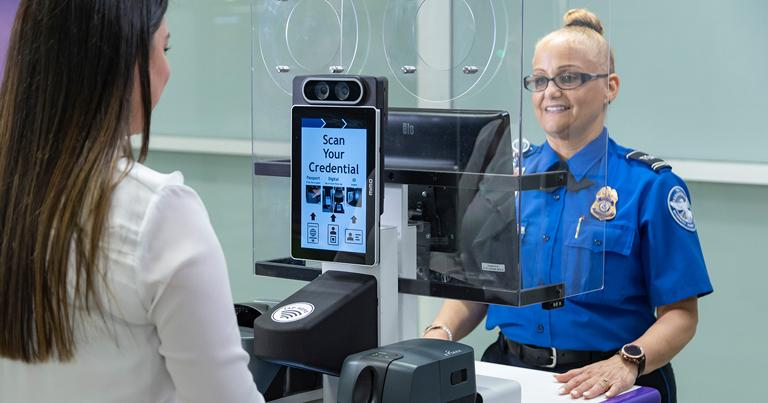
Passengers should not be concerned if an automated facial recognition check is unsuccessful, as conventional verification methods remain available.
Changes in appearance, image quality or difficulties accessing the required information can sometimes prevent a successful comparison. If the contactless check cannot be completed, passengers may be instructed to place their passport on the conventional reader or speak with a Border Force officer.
Travellers can help make the process smoother by removing hats, sunglasses and headphones when required, following the instructions displayed at the gate and looking directly towards the camera.
Those travelling with children should follow the family eGate instructions, with only one person entering each gate at a time. Border Force may also ask additional questions when an adult is travelling with a child who has a different surname or is not their own.
Importantly, the technology does not introduce new passport or visa requirements, and travellers must continue carrying valid passports even when contactless verification is available.
Is Facial Recognition the Future of Airport Travel?
The expansion of biometric technology across international airports suggests that automated identity checks will become an increasingly familiar part of travelling abroad.
Singapore's reduction in average immigration clearance times, the scale of facial recognition in the United States and Britain's own testing results demonstrate the potential for faster passenger processing while maintaining border security.
For UK travellers, the immediate development is the continued introduction of contactless eGates, with Birmingham and East Midlands already offering the service and further airports expected to follow by early 2027.
The technology won't eliminate every airport queue or remove the need for passports, but it offers a welcome improvement to the way eligible passengers complete their identity checks when returning home.
Travellers planning a journey can check the latest participating airports, eligibility requirements and official instructions through the Home Office's contactless eGate guidance.
Further travel advice: The UK Border Force travel guide provides information about travelling with children, using automated gates and preparing for passport control. Travellers visiting Europe can also consult the official EU Entry/Exit System guidance.