Cate Blanchett Joins Hollywood Stars Demanding Answers Over AI Use of Creative Work
Cate Blanchett joins Anne Hathaway, Emma Thompson and other Hollywood figures challenging arguments over consent and copyright licensing for AI training.

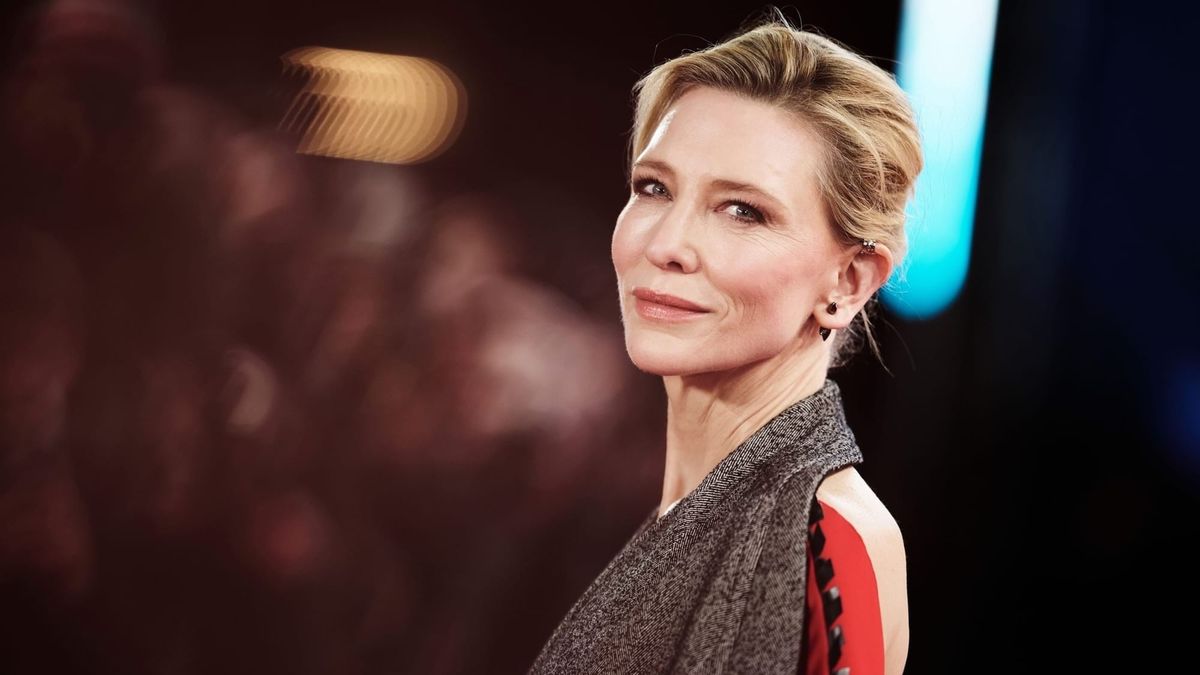
Cate Blanchett is helping lead a fresh challenge to how artificial intelligence companies use copyrighted material, joining prominent Hollywood figures who argue that obtaining permission from creators should be a normal part of developing commercial AI systems.
The Oscar-winning actress is involved with the Human Consent Foundation, which joined entertainment organisations in filing a 31-page submission on Friday 30 October 2026 as part of the ongoing copyright lawsuit involving The New York Times, OpenAI and Microsoft.
The filing challenges arguments that licensing the vast quantities of creative material used to train AI systems would be too difficult or expensive, pointing to established practices across film, television and music.
Why Cate Blanchett Is Challenging AI Developers
Blanchett's argument draws on her experience working in film and theatre, where permission is normally negotiated before a company can commercially exploit a performer's voice, likeness or other contractual rights.
"If someone wants to use my face, my voice or my image, they ask me first," she said in comments included with the filing.
She argues that negotiating consent is already an established part of the entertainment business, making the suggestion that permission becomes impractical when AI companies need large amounts of material particularly contentious.
The coalition also includes Creative Artists Agency, the Music Artists Coalition, the National Association of Voice Actors and the Creators Coalition on Artificial Intelligence.
Prominent supporters identified in the submission include Anne Hathaway, Emma Thompson, Helen Mirren, Madonna, Bette Midler, Dan Levy, Ron Howard and Olivia Wilde.
How Could AI Companies Pay for Creative Work?
The central argument concerns whether systems already used to manage copyright licensing could provide a practical model for AI training.
Music publishers, recording organisations and other rights holders routinely manage licences involving substantial catalogues of songs, performances and other protected material.
The coalition argues that these established arrangements demonstrate how permissions and payments can be organised without requiring every transaction to become a separate, lengthy negotiation.
Its position is that the scale of AI training should not automatically remove the need to consider licensing, particularly when commercial products are being developed using material created by other people.
However, licensing a recording or performance for one purpose is not automatically equivalent to using copyrighted work in AI model training, and whether the law requires permission in particular circumstances remains disputed.
What Does OpenAI Say About AI Training?
OpenAI maintains that training artificial intelligence models can qualify as fair use under American copyright law, an argument that is being challenged in ongoing litigation.
The company and its supporters contend that AI training can involve legally permitted uses of existing material, while rights holders argue that some commercial training practices infringe copyright.
The latest submission is an amicus brief, meaning the coalition is offering legal arguments to assist the court rather than joining the original lawsuit as a plaintiff.
It follows separate filings involving SAG-AFTRA, the Writers Guild of America and the American Federation of Musicians.
The court has not reached a final decision resolving the dispute raised by the latest filing, and the coalition's intervention should not be mistaken for a ruling against OpenAI or Microsoft.
Why Hollywood Is Watching the Case
The outcome could influence how entertainment companies negotiate the use of scripts, recordings, performances and other creative work in AI development.
For actors, writers and musicians, the arguments extend beyond whether technology can reproduce their work. They also concern who decides how original material is commercially used and whether creators should receive payment when companies seek permission.
The latest filing places some of Hollywood's most recognisable names alongside organisations seeking stronger arrangements for consent, licensing and creative ownership.