Can You Be Openly LGBTQ+ in the Police? Careers, Recruitment and Support Explained
How LGBTQ+ people can join the police in the UK, from entry requirements and training to staff networks, specialist careers and official application routes.

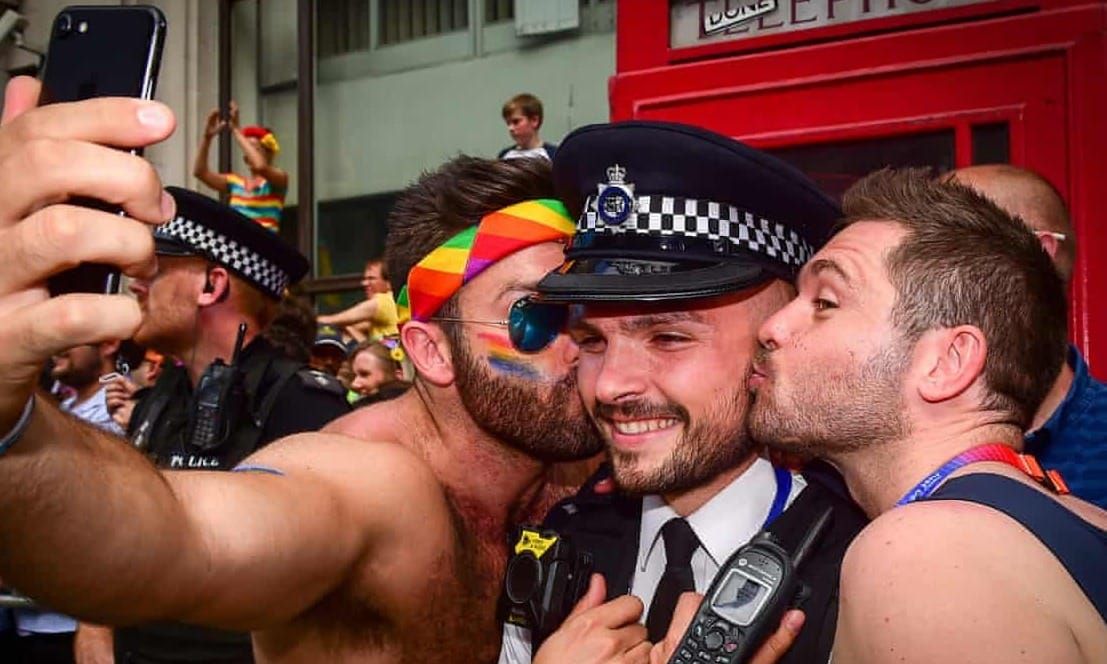
For LGBTQ+ people considering a career in policing, understanding the recruitment process is only one part of making an informed decision, particularly when questions about workplace culture, acceptance and professional support may also influence whether they choose to apply.
Police services across the United Kingdom now operate within equality legislation protecting employees against discrimination, while many have established LGBTQ+ staff networks and introduced policies intended to improve inclusion and professional development.
Although attitudes towards openly LGBTQ+ police personnel have developed considerably over recent decades, concerns about discrimination and workplace culture have not disappeared, making it important for prospective recruits to understand both the opportunities available and the standards they should expect from an employer.

How Has Policing Changed for LGBTQ+ Personnel?
The relationship between policing and LGBTQ+ communities has undergone substantial reform, reflecting wider changes in British society and the removal of legislation that previously criminalised same-sex relationships.
Historically, discriminatory attitudes could create significant barriers for gay and lesbian personnel, affecting their experiences at work and contributing to concerns about whether they could be open about their identities without facing professional consequences.
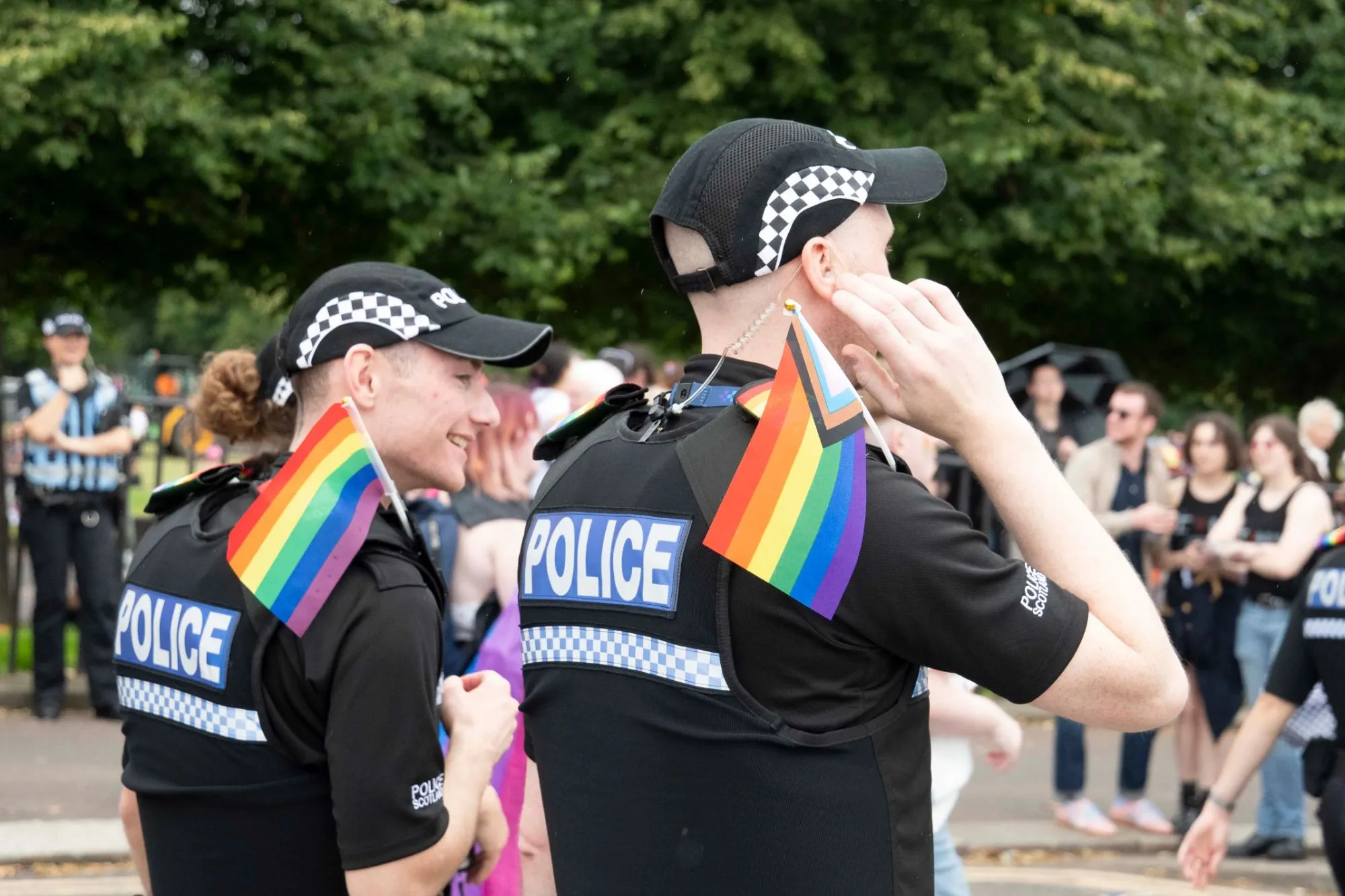
Today, LGBTQ+ people can apply for policing careers without having to conceal their sexuality, with employment protections and professional standards intended to ensure recruitment and workplace decisions are based on legitimate requirements rather than discriminatory assumptions.
The National LGBT+ Police Network supports local and regional networks across England, Wales and Northern Ireland, bringing together LGBTQ+ officers, police staff and volunteers while contributing to discussions about workplace culture and professional support.
Although these developments demonstrate progress, individual experiences can still vary between organisations and teams, making effective leadership and appropriate procedures for addressing discrimination essential.
Do You Need a Degree to Become a Police Officer?
Applicants in England and Wales have access to several routes into policing, meaning a university degree is not necessarily required before someone can begin training as a police constable.
The College of Policing identifies four principal entry routes, including the Police Constable Degree Apprenticeship, Degree Holder Entry Programme, Police Constable Entry Programme and Professional Policing Degree Holder route.
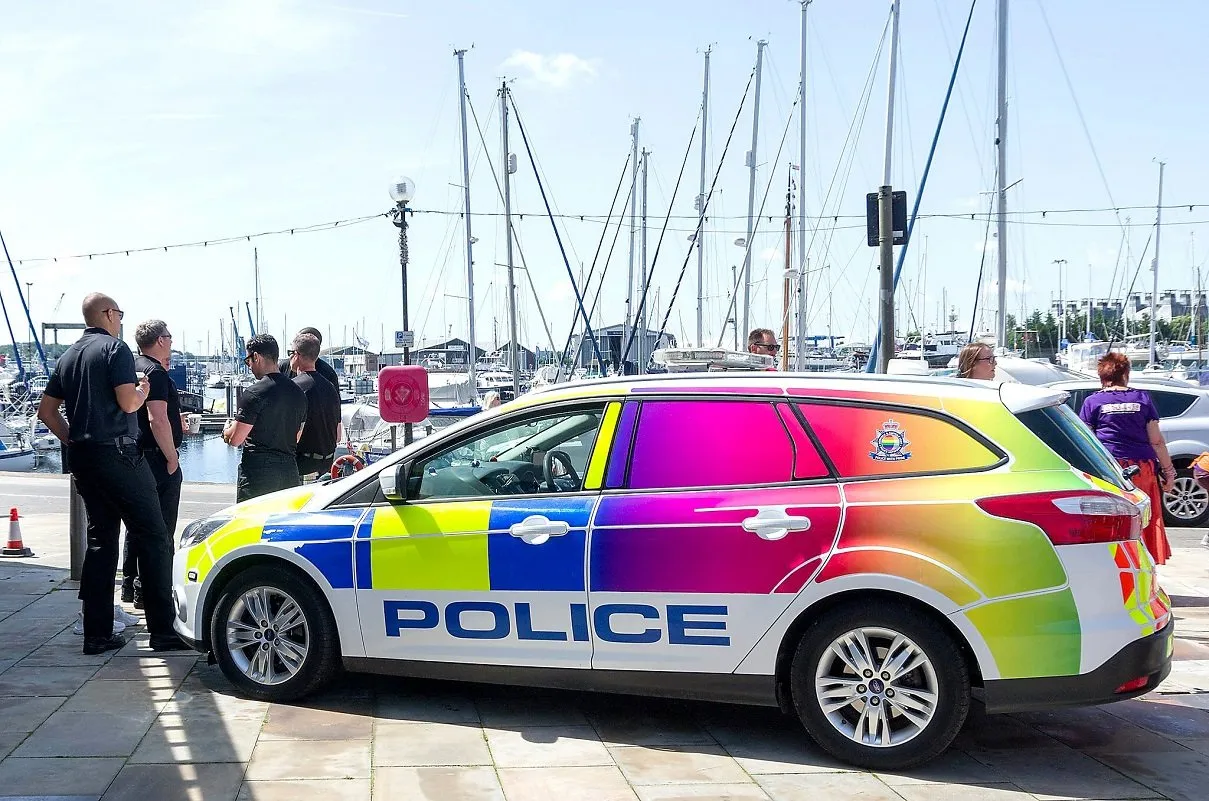
The degree apprenticeship allows recruits to work as police officers while completing academic study, combining practical experience with a qualification in professional policing practice over a three-year programme.
Applicants who already hold a suitable degree may be able to enter through the Degree Holder Entry Programme, while the Police Constable Entry Programme provides an alternative route for people who do not wish to undertake a degree as part of their initial police training.
People who have completed an approved professional policing degree can also apply through the relevant entry route, although holding the qualification does not guarantee employment and applicants must still pass the required recruitment assessments.
Individual police forces decide which routes they offer and when applications open, so prospective recruits should check the arrangements for the organisation they are interested in joining.
What Are the Recruitment Requirements?
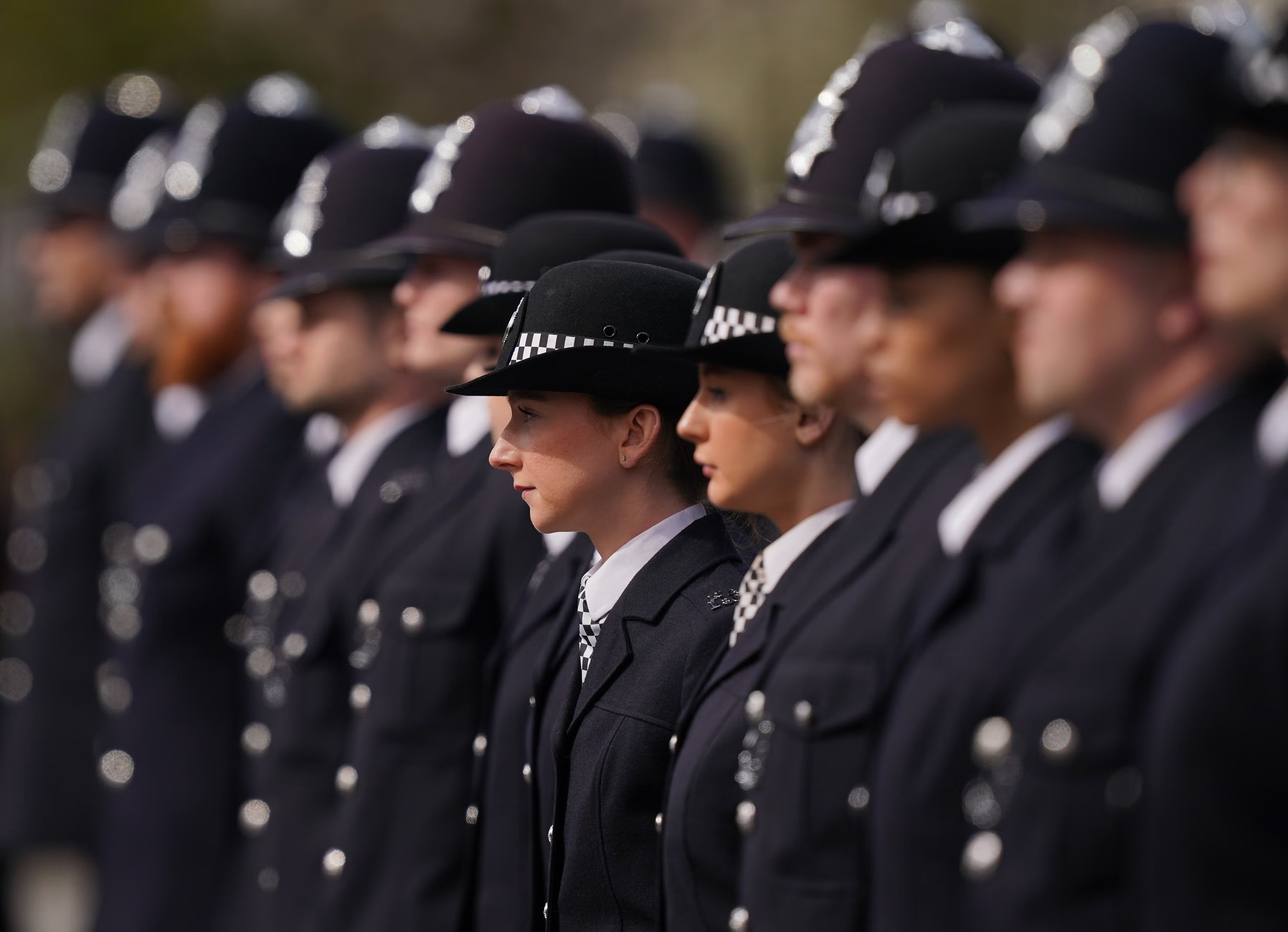
Police recruitment involves several stages intended to assess whether applicants meet the professional, physical and operational requirements of the role, with individual forces applying eligibility criteria relevant to their recruitment programmes.
Applicants in England and Wales can generally begin the application process from the age of 17, although they must be at least 18 before being appointed as police constables.
The selection process may include eligibility checks, interviews, written and practical assessments, medical examinations, 15m bleep fitness testing and security vetting, while some applicants may need to demonstrate particular educational qualifications or equivalent experience.
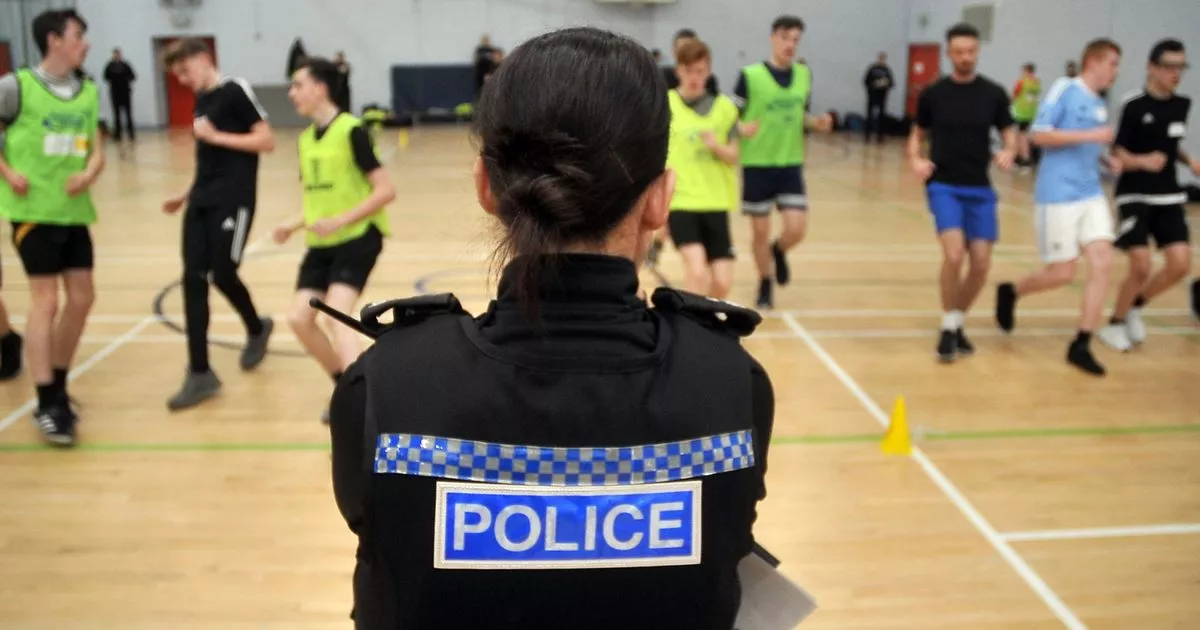
Nationality and residency rules can also affect eligibility, particularly where applicants have lived outside the United Kingdom or hold particular immigration permissions.
Being lesbian, gay, bisexual, transgender or otherwise identifying as LGBTQ+ does not prevent someone from applying, provided they meet the relevant professional standards and eligibility requirements.
What Support Is Available for LGBTQ+ Police Officers?
Many police forces maintain LGBTQ+ staff associations that provide professional networking, mentoring and opportunities for personnel to discuss workplace experiences with colleagues.
These networks can also contribute to organisational policies, advise senior officers and help identify areas where improvements may be needed in recruitment, training or employee support.
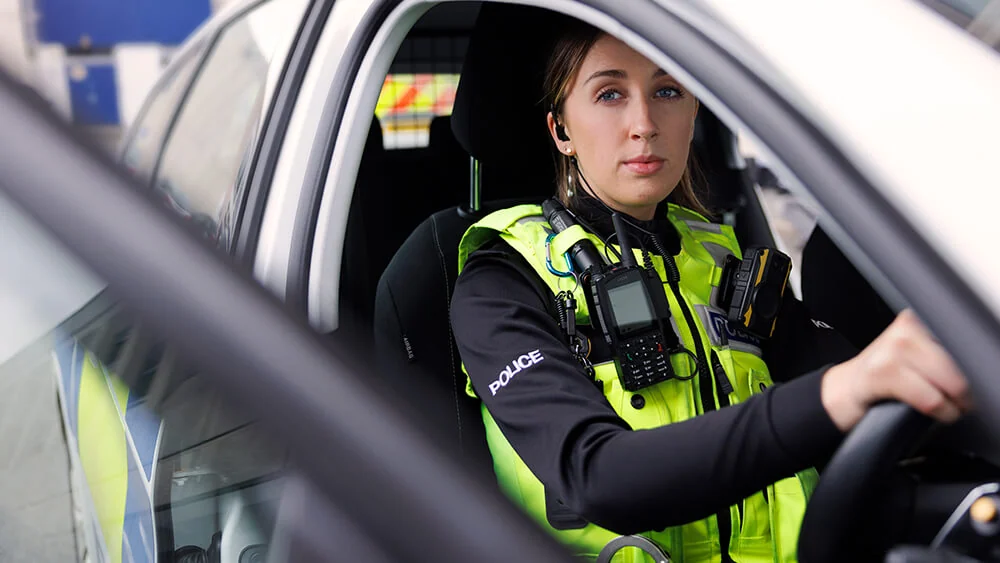
The National LGBT+ Police Network provides a wider structure connecting local organisations and supporting discussions about issues affecting LGBTQ+ personnel across different police services.
However, participation in a staff association should never replace formal employment protections or established procedures for reporting bullying, harassment and discriminatory conduct.
People considering a policing career may wish to examine an organisation's published equality policies, staff support arrangements and complaints procedures as part of deciding whether the working environment is appropriate for them.
What Careers Are Available Beyond Uniformed Patrol?
Police services offer a wide range of roles beyond traditional neighbourhood and emergency response duties, with officers able to pursue specialist careers after gaining the appropriate skills and experience.

Opportunities may include criminal investigations, intelligence, safeguarding, public protection, roads policing, counter-terrorism and specialist operational departments, although entry into these areas depends on vacancies, qualifications and organisational requirements.

Some officers also become involved in community engagement or LGBTQ+ liaison responsibilities, using their professional experience to support colleagues and improve communication with local organisations.
Police staff who are not warranted officers work in areas including digital forensics, information technology, communications, administration and analytical support, providing additional career possibilities for people interested in public service.
These different roles mean someone considering a career in policing can investigate opportunities that reflect their existing qualifications, professional experience and long-term interests.
Can LGBTQ+ People Join Police Services Overseas?
Police organisations in countries including the United States, Canada, Australia and New Zealand also recruit personnel from different backgrounds, although eligibility and training arrangements vary considerably between jurisdictions.
In the United States, recruitment is generally managed by individual police departments or state and federal agencies, while Australian and Canadian policing systems include organisations operating at different geographical and governmental levels.
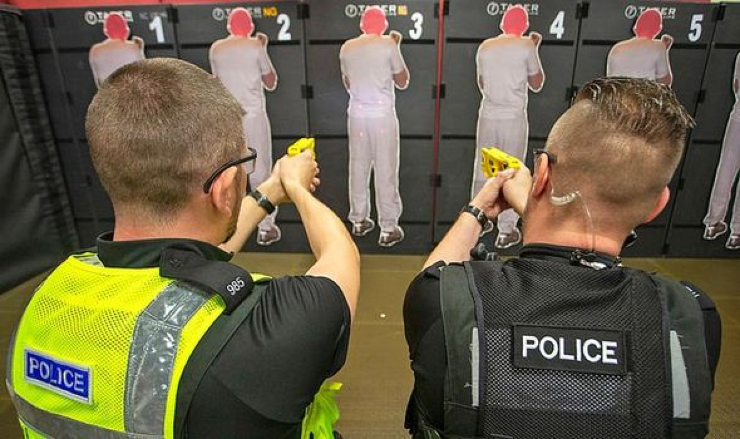
Applicants considering an overseas career may need to satisfy citizenship, residency or immigration requirements alongside the normal recruitment standards, making it important to obtain information directly from the relevant organisation.
LGBTQ+ staff associations and community liaison arrangements exist within several international police services, although their availability and responsibilities differ between departments.
Where Can You Apply to Join the Police?
People interested in policing careers in England and Wales can begin with the College of Policing and the national Joining the Police website, which explain the entry routes, assessment process and how to find recruitment opportunities.

Applicants interested in working in Scotland should consult Police Scotland, while the Police Service of Northern Ireland provides separate recruitment information reflecting its own entry requirements and training arrangements.
For LGBTQ+ applicants, researching professional expectations, workplace policies and available support can be as important as understanding the application process, particularly when choosing an organisation in which they may spend many years of their career.
Official Recruitment Information: College of Policing, Joining the Police, Police Scotland