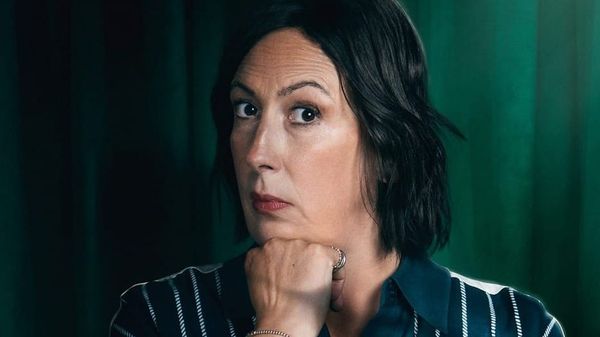
Can Audiences Form Real Emotional Connections With AI-Assisted Characters?
Can audiences care about characters presented through AI-generated visuals? Icebreaker Series WLW and the response to Ana and Noémie offer an interesting early example.

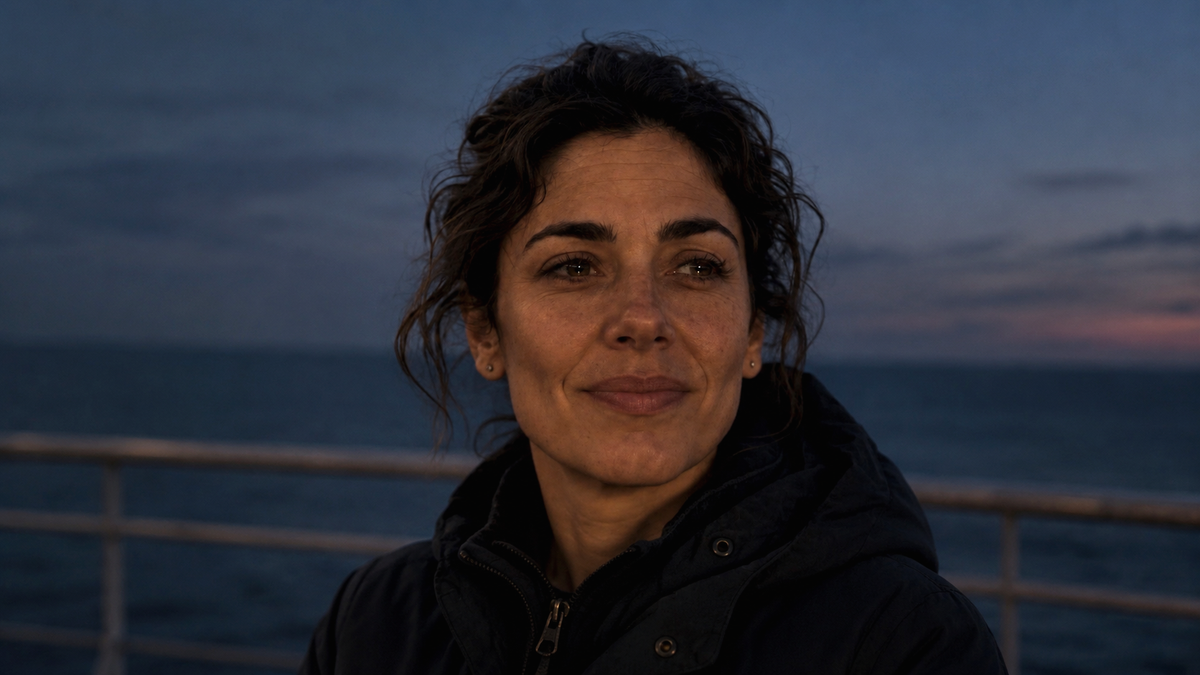
Can audiences form a genuine emotional connection with fictional characters whose on-screen appearance is created using AI? Icebreaker Series WLW is beginning to offer an interesting example through Captain Ana Malik and videographer Noémie Morin, although the answer reaches far beyond one series or one form of entertainment.
Audiences already encounter characters and performers through many different visual forms across film, television, animation and immersive entertainment. Icebreaker adds something newer to that mix: characters written and directed by a human creator, but brought to screen using AI-generated visual material
Ana and Noémie are created by Gen, not by AI
That distinction is important. Gen creates Ana and Noémie, writes their dialogue and story, decides how they react and directs every scene. AI provides the visual material that allows her to put those creative decisions on screen.
Gen has also drawn on her own emotional experiences when developing both women. She recognises Noémie’s openness and willingness to move towards someone, while Ana reflects the more guarded and controlled side she has experienced at other points in her life.
The audience is therefore not being asked to connect with personalities automatically generated by technology. They are following fictional women deliberately written with different fears, behaviours and ways of expressing emotion.
Gen says viewers are already emotionally invested
Gen told SoaplandTV that the strength of the response surprised her. Viewers message her about Ana and Noémie, analyse their smallest looks and silences and become frustrated or excited as their relationship develops.
“What surprised me most is how real the characters seem to have become for the audience,” she told us. “People talk about them almost as if they know them.”
Some of the messages have been particularly personal. Gen says a woman in her seventies regularly tells her that Ana and Noémie make her feel like a teenager again, while other viewers have said the story encouraged them to think about their own relationships.
These are individual responses rather than evidence of how every viewer feels, but they show that knowing the visuals are AI-generated does not automatically prevent someone from caring about the characters.
Digital characters are not completely new to audiences
The wider entertainment industry has been asking audiences to accept different forms of on-screen representation for years. Film and television regularly combine actors with animation, visual effects and computer-generated characters, while immersive entertainment has created other ways for audiences to experience familiar performers.
ABBA Voyage is a useful example, although its technology is very different from Icebreaker. The London concert presents digital avatar versions of Agnetha, Björn, Benny and Frida alongside a live band, with the production created using motion capture and visual effects. It is not an AI-created performance and the avatars represent real people, but it demonstrates how a live audience can be asked to engage with performers appearing in a digital form.
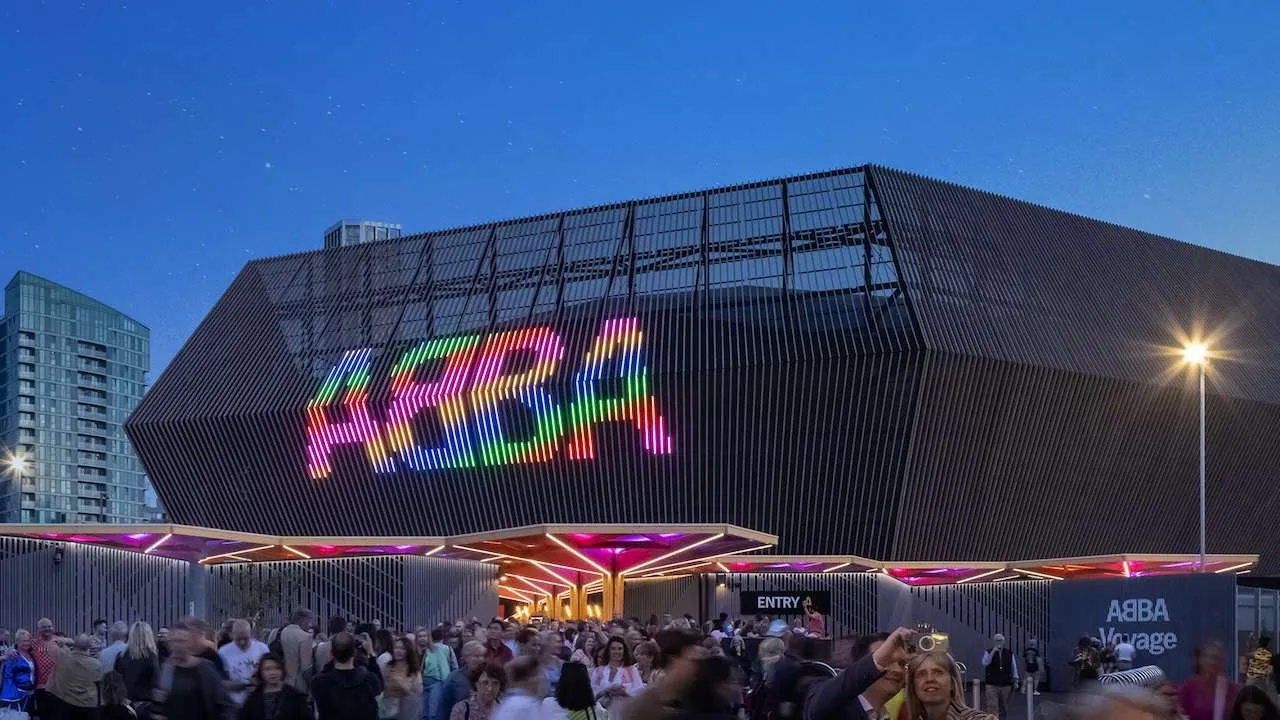
Icebreaker takes the discussion somewhere different because Ana and Noémie are fictional characters rather than digital representations of existing performers.
The small moments still come from creative decisions
Much of the audience reaction Gen describes centres on glances, pauses and moments when Ana or Noémie says very little. Those scenes may appear visually through AI, but their placement and meaning are shaped by Gen.
She decides which generated take is used, how long a look remains on screen, when the scene cuts and whether the viewer stays with one character’s reaction. Gen may generate the same scene ten, twelve or fifteen times before the emotion or positioning is close to what she wants.
That also highlights an important difference from working with actors. Gen cannot simply ask Ana to alter a delivery or move slightly differently and then repeat the scene. She has to generate and refine the material until she achieves a result that communicates her intention.
What actually makes us care about a character?
Icebreaker raises a bigger question than whether AI can replace an actor, because that is not how Gen describes what she is doing.
Perhaps the more interesting question is what makes an audience care about a fictional character in the first place. Is it the writing, the performance, the direction, the visual representation, the story itself, or the combination of all of them?
Icebreaker cannot prove that audiences will develop the same long-term attachment to characters presented through AI-generated visuals as they have to characters portrayed by actors in film and television. The series is still young and this type of independent production is developing quickly.
What it can show is that some viewers are already discussing Ana and Noémie as characters, interpreting their behaviour and waiting to discover what happens to them next.
That makes Icebreaker an interesting early case study rather than an answer to the wider debate. As new forms of digital storytelling continue to emerge across film, television, social media and immersive entertainment, the way audiences decide which characters they care about could become one of the most interesting questions of all.
Where to follow Icebreaker
Follow Icebreaker Series WLW on Instagram, TikTok, Facebook and YouTube for new episodes, clips and updates from the series.
Keep checking SoaplandTV for more Icebreaker interviews, episode coverage and features. Image credits: Used with permission of Icebreaker Series WLW.