Can an AI-generated film still be personal? Océane Terrettaz believes emotion comes from the creator
Océane Terrettaz explains how personal experiences and human emotion can remain at the heart of a film even when AI is used to create the visuals.

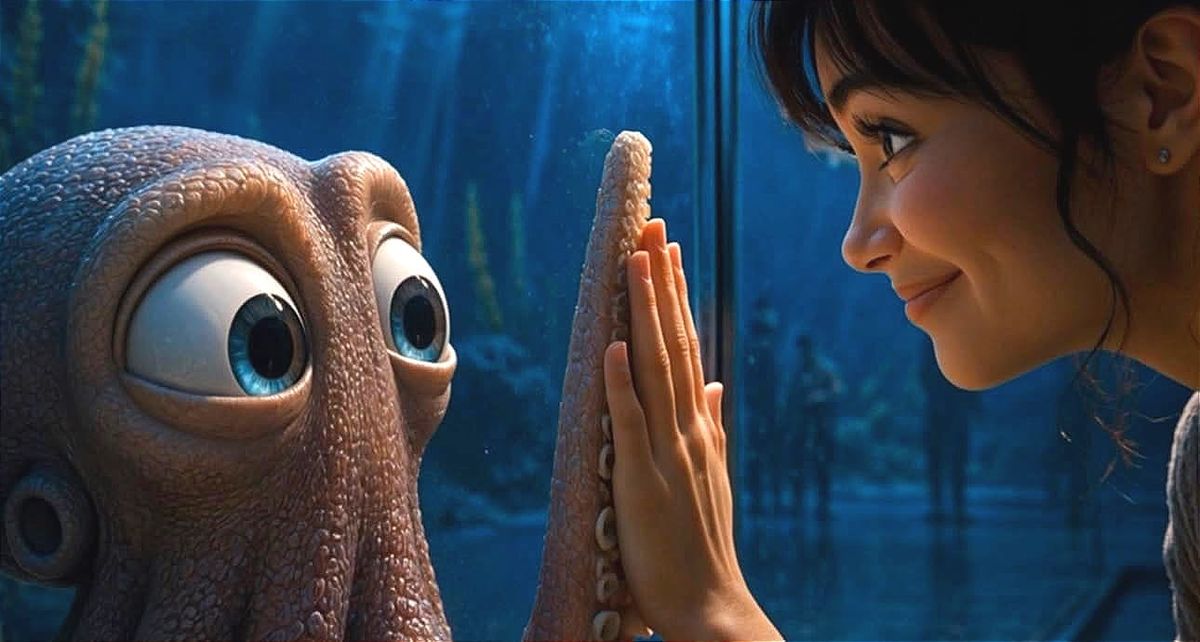
One of the biggest questions surrounding AI-created entertainment is whether something generated with technology can still carry a genuinely personal meaning. For Océane Terrettaz, the answer lies in what happens before the images ever appear on screen
Her stories begin with subjects she connects with emotionally. AI may become part of the process used to visualise those ideas, but the choice of story, the characters and the feeling she wants audiences to experience still come from her.
That distinction became particularly clear while Océane was creating one of her most personal films, a story centred on loneliness. The project follows a woman experiencing everyday life alone before an encounter with another woman introduces the possibility of a new connection.
For Océane, the emotion behind that story was not simply something invented for a fictional character.
“That video was particularly emotional for me to create because there is also a small part of myself in that story.”
It is a revealing comment in a wider conversation about AI filmmaking. Discussions around artificial intelligence often concentrate on the software, tools and techniques involved, but that can overlook the person deciding what story should actually be told.
A creator can choose to explore something they have experienced themselves, something they have witnessed in other people or a subject they simply feel strongly about. The method used to turn that idea into moving images does not automatically remove the original emotional motivation behind it.
Océane’s approach is heavily influenced by that idea. She is interested in stories about love and relationships, but she is also looking towards subjects such as burnout, compassion, social media pressure and human connection.
“At the moment, I’m working on several new stories, and I want to continue exploring subjects that are important in our society and that people can personally relate to.”
Those subjects potentially give AI-created storytelling a role beyond visual experimentation. Burnout or loneliness, for example, are not technological subjects at all. They are human experiences, with AI simply becoming one of the ways a creator can choose to represent them.
That does not mean every AI-generated film will automatically feel personal or emotionally convincing. As with any form of storytelling, the idea behind the work and the choices made by its creator will ultimately influence whether an audience connects with it.
For Océane, finding that connection remains more important than limiting herself to one style or theme.
“What matters to me is finding a subject that makes me feel something and then turning it into a story that can hopefully make other people feel something too.”
It is an approach that puts the creator back at the centre of the conversation. AI might help construct the world audiences see, but Océane’s work demonstrates how the reason for creating that world can remain deeply personal.
SoapLandTV’s Océane Terrettaz creator series continues with more features exploring her stories, creative process and perspective on the developing world of AI entertainment.
Follow Océane on Instagram at @oceane.ai.futur and on YouTube through OcéaneAI at @oceaneterrettaz9796.
Images: Courtesy of Océane Terrettaz.