Budapest Pride 2026 Signals New Hope For LGBTQ+ Rights In Hungary
Tens of thousands joined Budapest Pride 2026 in the first march since Viktor Orban left office, raising hopes for the future of LGBTQ+ rights in Hungary.


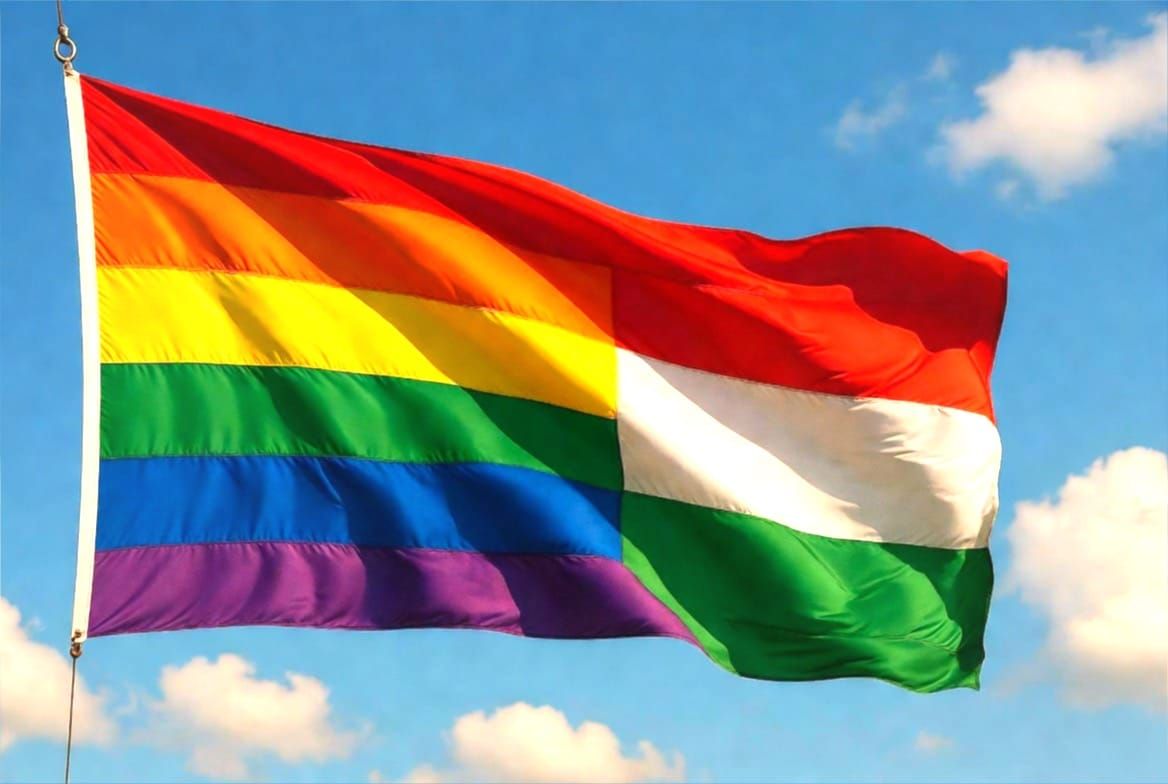
Budapest Pride 2026 became one of the most significant LGBTQ+ events in Europe as tens of thousands of people gathered in Hungary’s capital for the first Pride march since the end of Viktor Orban’s 16 years in power.
For many attendees, the event represented far more than an annual celebration. It marked the beginning of a new political chapter after years of restrictions, tensions and uncertainty surrounding LGBTQ+ rights in Hungary.
While many laws introduced during the Orban era remain in place, participants repeatedly described a noticeably different atmosphere. After more than a decade of political battles over LGBTQ+ issues, the dominant feeling among many marchers was not anger or defiance but optimism.
That shift in mood may ultimately become the defining story of Budapest Pride 2026.
A Pride March With Historic Significance
Budapest Pride has long been one of Central Europe’s most important LGBTQ+ events, but recent editions have carried particular political significance.
During Viktor Orbans time in office, Hungary introduced a series of policies that drew criticism from human rights groups across Europe. These included restrictions affecting legal gender recognition, same sex adoption and educational materials relating to LGBTQ+ issues.
The debate surrounding LGBTQ+ rights became one of the most closely watched social issues in Hungary, attracting attention from governments, activists and international organisations across Europe.
Last year’s Pride march became a symbol of resistance after attempts were made to restrict the event. Organisers estimated that hundreds of thousands of people took part, creating one of the largest public demonstrations in modern Hungarian history.
This year’s event felt different. Rather than being defined primarily by opposition to government policy, many participants spoke about the possibility of progress and the opportunity to build on the momentum created by political change.
The End Of The Orban Era
Viktor Orban served as Hungary’s prime minister for 16 years before being defeated in the 2026 election.
His successor, Prime Minister Peter Magyar, inherited a country deeply divided on a range of political and social issues, including LGBTQ+ rights.
Magyar has not announced plans to immediately reverse all legislation introduced during the previous administration. As a result, many campaigners remain cautious about predicting rapid change.
However, the tone adopted by the new government has been notably different.
Magyar has publicly stated that people should be free to love whom they want and live with whom they want within the law. While he has urged patience on sensitive social issues, many LGBTQ+ Hungarians view the shift in language as a significant departure from recent years.
For some, that change alone was enough to make this year’s Pride feel different.
Why The Atmosphere Mattered
One of the most striking aspects of Budapest Pride 2026 was the number of attendees who focused on atmosphere rather than legislation.
Participants repeatedly spoke about feeling more relaxed, more optimistic and more confident about the future.
Many acknowledged that significant challenges remain. Same sex marriage is not currently legal in Hungary, while several laws affecting LGBTQ+ people remain in force.
Yet many marchers said the mood in the country had changed.
Some pointed to a greater sense of openness. Others highlighted the number of families, allies and older attendees participating in the celebrations.
While legal reforms often dominate headlines, social change is frequently measured through smaller signals. The atmosphere surrounding Budapest Pride suggested that many people believe Hungary may be entering a different phase of its relationship with LGBTQ+ communities.
Why Hungary Matters Across Central Europe
Developments in Hungary are closely watched across Central Europe because the country’s approach to LGBTQ+ rights has often influenced wider political debates across the region.
Over the past decade, Hungary became a focal point in discussions about equality, human rights, democratic freedoms and the role of governments in regulating social issues.
As a result, Budapest Pride attracts attention well beyond Hungary’s borders.
This year’s event was covered extensively by international media outlets and monitored closely by human rights organisations seeking signs of how the country’s political transition may affect LGBTQ+ communities.
The images emerging from Budapest, including enormous rainbow flags stretching across city streets and bridges, were shared around the world and became powerful symbols of visibility and resilience.
A Test For Hungary’s Future
The success of Budapest Pride 2026 also creates expectations.
While many participants welcomed the more positive atmosphere, attention is increasingly turning towards what happens next.
Questions remain over whether Hungary will revisit policies affecting gender recognition, adoption rights and broader equality protections.
Prime Minister Magyar faces the challenge of balancing competing political viewpoints while responding to growing calls for reform.
For campaigners, the priority is ensuring that optimism eventually translates into meaningful change.
For the government, the challenge is navigating an issue that remains politically sensitive while maintaining public support.
The coming years may determine whether Budapest Pride 2026 is remembered as a symbolic moment or the beginning of a broader transformation.
What Happens Next For LGBTQ+ Rights In Hungary?
Although Budapest Pride 2026 was widely celebrated, many of the legal and political debates surrounding LGBTQ+ rights remain unresolved.
Campaigners continue to advocate for progress on issues including marriage equality, adoption rights and legal gender recognition.
At the same time, supporters of reform recognise that meaningful legislative change often takes time.
The significance of Budapest Pride may therefore extend beyond the event itself.
For many attendees, the march represented an opportunity to demonstrate that public support for LGBTQ+ equality remains strong and visible across Hungary.
Whether that momentum leads to future reforms remains to be seen, but the optimism on display throughout Budapest suggested that many people believe change is possible.
Why Budapest Pride 2026 Could Be Remembered
History often remembers moments when societies begin turning a corner.
Budapest Pride 2026 may ultimately be remembered not because new laws were announced or because major political promises were made, but because it reflected a change in national mood.
The event took place at a moment when Hungary is reassessing its future direction.
For LGBTQ+ people, allies and supporters who filled the streets of Budapest, the celebrations offered something that had often felt in short supply during recent years: hope.
No major legal breakthroughs have yet arrived. Important debates remain unresolved.
Yet for many people attending Budapest Pride, the most significant development was not a policy announcement or a political speech.
It was the feeling that, for the first time in a long time, a different future seemed possible.
Budapest Pride 2026 FAQ
1.Why was Budapest Pride 2026 significant?
It was the first Budapest Pride march since the end of Viktor Orban’s 16 years in power and was widely viewed as a symbol of a changing political atmosphere in Hungary.
2.Is same sex marriage legal in Hungary?
No. Hungary does not currently permit same sex marriage, although registered partnerships are available for same sex couples.
3.Who is Peter Magyar?
Peter Magyar is Hungary’s prime minister who succeeded Viktor Orban following the 2026 election.
4.What LGBTQ+ laws remain in place in Hungary?
Several measures introduced during the Orban era remain in force, including restrictions affecting legal gender recognition and other LGBTQ+ related issues.
5.Why did Budapest Pride attract international attention?
The event was closely watched because Hungary has been at the centre of European debates surrounding LGBTQ+ rights, democratic freedoms and human rights over the past decade.
Sources- Reporting and information for this article were compiled from Reuters, AFP, Associated Press, Deutsche Welle (DW), France 24, RTÉ, Amnesty International and PinkNews coverage of Budapest Pride 2026 and developments relating to LGBTQ+ rights in Hungary.
Enjoyed the article? - SoaplandTV is your passport to the drama.
Explore our dedicated soap hubs for the latest Coronation Street, EastEnders, Emmerdale, Hollyoaks and Home and Away news, spoilers and features.