BBC licence fee could top £200 by 2031: what the new forecast means for viewers
New OBR forecasts suggest the BBC licence fee could rise from £180 to £202.60 by 2031 as 2.7 million households stop paying. Here is what it means for you.
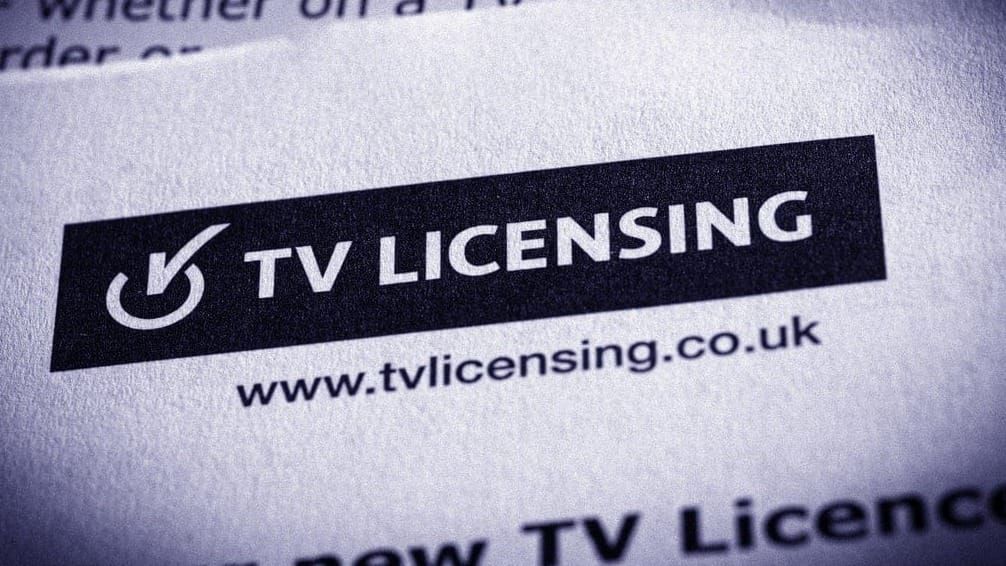
The BBC licence fee could rise above £200 a year by 2031, despite millions of households abandoning the payment, as new official forecasts raise serious questions about how the broadcaster will be funded in the future.
Figures published by the Office for Budget Responsibility (OBR) suggest the annual charge could increase from its current £180 to £202.60 over the next five years, while the number of households paying is expected to fall by 2.7 million to approximately 19 million.
The forecast comes as the government considers major reforms to the BBC's funding system, including proposals that could require households watching Netflix, Disney+ and YouTube to pay the licence fee even if they never watch BBC programmes.
Why could the BBC licence fee rise above £200?
The latest OBR projections suggest the BBC faces a growing financial problem as audiences increasingly move away from traditional television towards streaming services and online video platforms.
The corporation is already losing around 500,000 licence fee payers annually, with its own figures showing that the number of licences in force fell from 23.8 million in March 2025 to 23.3 million in March 2026.
The new forecast represents a significant deterioration from the OBR's previous expectations in March, when it predicted approximately 21 million households would still be paying the licence fee by 2031.
Although the annual charge is projected to rise by £22.60, fewer households contributing means the BBC could continue facing pressure on its income, even as individual viewers pay more.
However, the £202.60 figure is a forecast rather than an approved increase, and the government's forthcoming decisions about the BBC's future funding could alter that projection considerably.
Will Netflix and YouTube viewers have to pay?
One of the most controversial proposals being considered would extend the licence fee to households that currently watch only streaming services, potentially bringing millions of additional people into the payment system.
Culture Secretary Lisa Nandy is overseeing the government's review of the BBC's Royal Charter, which expires on 31 December 2027, with new arrangements due to take effect from January 2028.
The options under discussion include broadening the existing licence fee, developing alternative household contributions and examining whether advertising or subscription services could provide additional income.
Extending the payment requirement to on-demand streaming services could affect households that currently watch Netflix, Disney+, Amazon Prime Video or YouTube without needing a licence.
However, ministers have not approved any such extension, and the rules governing streaming remain unchanged.
The government is expected to publish a white paper setting out its proposed approach before the end of 2026, providing a clearer indication of what viewers might face under the next BBC Charter.
Who needs a TV licence in 2026?
A standard colour TV licence currently costs £180 annually, following an increase introduced on 1 April 2026, while a black-and-white licence costs £60.50.
Households need a licence if they watch or record live television on any channel or streaming service, including live broadcasts through ITVX, Channel 4, Sky, YouTube or Amazon Prime Video.
A licence is also required to watch or download programmes on BBC iPlayer, including catch-up and on-demand content, even when viewers are not watching a live broadcast.
However, people who watch only on-demand programmes through services such as Netflix, Disney+ and Amazon Prime Video do not currently need a licence, provided they do not use BBC iPlayer or watch live television.
Watching or recording programmes that require a licence without having one can result in prosecution and a fine of up to £1,000.
Who can get a free or discounted TV licence?
Some households remain eligible for financial assistance, including people aged 75 or over who receive Pension Credit, or whose partner living at the same address receives the benefit.
Registered blind people can claim a 50% reduction, bringing the current colour licence fee down to £90, while eligible residents of certain care homes, sheltered accommodation and supported housing may qualify for a £7.50 licence.
The BBC also offers payment arrangements for people experiencing financial difficulties, allowing qualifying households to spread the cost over smaller instalments rather than paying the full amount at once.
What happens next for BBC viewers?
The latest figures arrive at a difficult moment for the BBC, which must balance rising production costs, declining licence fee income and changing viewing habits while preparing for a new funding agreement.
The broadcaster has argued that its existing funding arrangements need reform, while ministers have emphasised that any replacement must be sustainable and fair to households.
For viewers, the immediate position remains unchanged, with the annual licence fee fixed at £180 for 2026/27 and another inflation-linked adjustment scheduled for April 2027.
The more significant decision will come when the government publishes its white paper, which could determine whether future BBC funding continues to depend on live television viewing or extends to millions of households using streaming services.
Until those proposals are confirmed, the prospect of a £202.60 licence fee remains an official forecast rather than a final decision.
Information accurate as of Friday 30 October 2026.
Images: BBC.