Australia bans AI-generated songs from official charts under tough new rules
Australia has introduced tough new rules banning largely AI-generated songs from its official ARIA charts while allowing human-led music that uses AI tools.


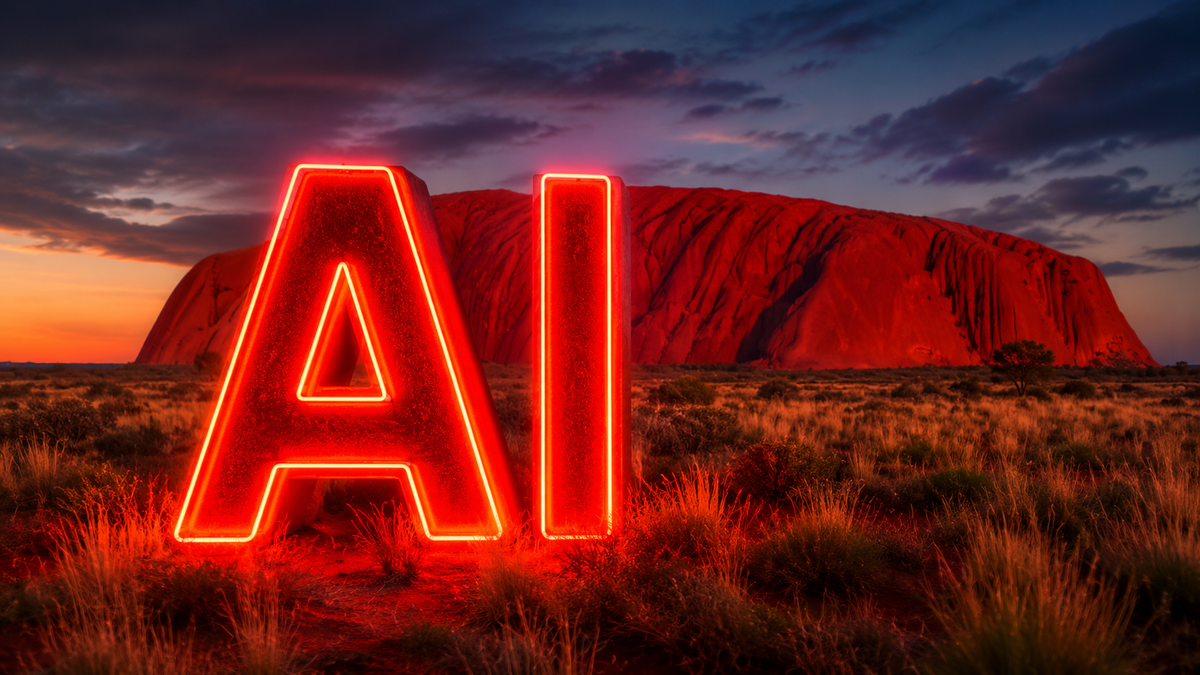
Australia has introduced major new rules for its official music charts, with songs created largely or entirely using generative AI no longer eligible to compete alongside human-made recordings.
The Australian Recording Industry Association, which runs the ARIA Charts, says releases must now be “substantially human made” to qualify. The move creates one of the clearest distinctions yet between musicians using AI as a production tool and recordings where artificial intelligence has generated the main creative elements
Under the rules, a song can be ruled ineligible if generative AI produced its lead vocal, primary instrumental performance or another major creative part of the recording. Music generated largely from prompts rather than human performance can therefore be removed from chart consideration.
However, ARIA has stopped short of banning AI from music altogether. Artists can still use AI in supporting areas of the production process, including mastering and other technical applications, provided the central songwriting and performance remain substantially human.
ARIA chief executive Annabelle Herd said the changes were intended to “promote the human nature of artistry” while recognising that musicians are increasingly experimenting with new technology.
“Artists already use AI tools in their work, the charts can and should evolve to keep room for that, but music generated wholesale by services built on artists’ recordings is a different matter,” she said.
The debate has intensified after Australian DJ and producer Josh Fawaz achieved major success with his version of Like a Prayer, which uses generative AI elements. The recording reached number two on Australia’s overall chart and has also attracted tens of millions of Spotify streams.
Its success prompted wider discussion over whether largely AI-generated recordings should be able to compete directly against traditional releases for chart positions, radio attention and industry recognition.
Artists and their representatives will now be expected to declare their use of generative AI when submitting recordings for chart consideration. ARIA can also investigate releases and retrospectively change chart positions if a track is later found to have breached its eligibility requirements.
Recordings excluded under the rules will also be ineligible for ARIA Awards, although artists will be able to challenge a decision.
The Australian move forms part of a much wider international debate over how the music industry should respond to increasingly sophisticated generative AI. Similar questions have emerged around copyright, training data, synthetic vocals and whether listeners should always be told when music has been created using AI.
Importantly, the new Australian rules do not treat every use of artificial intelligence in the same way. Instead, they attempt to establish a dividing line based on where the creative work actually comes from.
That distinction could become increasingly significant as AI becomes embedded within mainstream music production. The message from ARIA is that technology can still be part of making music, but human creativity must remain at the centre if a recording wants a place on Australia’s official charts.
Sources: Australian Recording Industry Association statements and chart eligibility guidance, with additional reporting from CBC News and BBC News.