Are Film and TV Workers Being Paid for the Hours Audiences Never See?
International research examines the unseen hours behind film and TV production, creative workers' pay and the growing influence of AI.

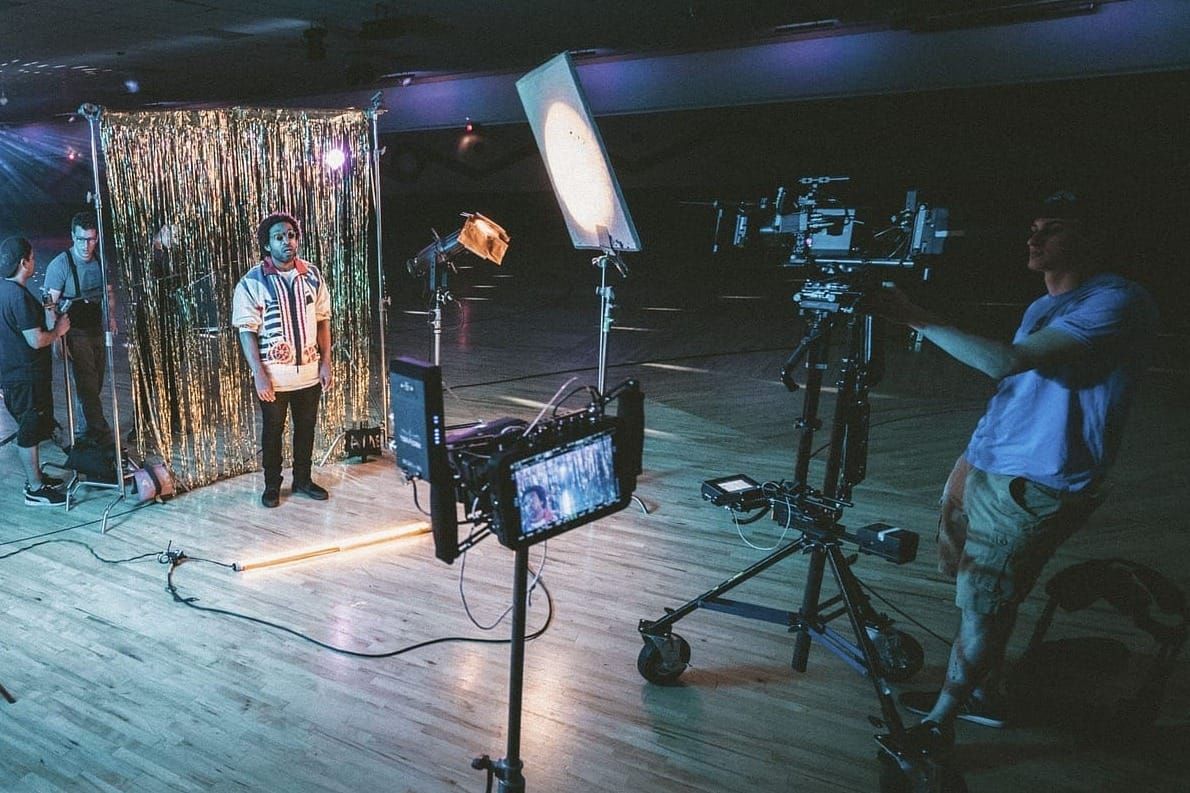
A television drama might take an hour to watch, but producing it involves far more than the time spent in front of the cameras. From rehearsals and equipment preparation to travel and editing, much of the work that brings entertainment to our screens happens long before or after filming.
International research has highlighted how those responsibilities are not always consistently recorded or compensated. A report from the International Labour Organization, published in October 2026, examines pay and working hours across film, television, recorded music and live performance, alongside the growing influence of digital technology.
What work happens outside filming?
Production crews may spend hours preparing sets, checking equipment or travelling between locations before filming begins. Performers attend rehearsals, while editors, sound specialists and visual effects teams continue working after the cameras stop.
The ILO report identifies differences in how these activities are recognised and paid. Depending on employment arrangements, preparation, rehearsals, travel and post-production may be covered by an agreed fee, compensated separately or inadequately recorded.
This does not establish that every production company is failing to pay its workers. It highlights the complexity of employment arrangements across creative industries, particularly where short-term contracts and freelance work are common.
Irregular schedules can also affect rest and personal commitments. Workers may experience periods of intensive employment followed by gaps between productions, making financial stability more difficult to maintain.
Why is pay so complicated in entertainment?
Unlike employees receiving a regular salary, many creative professionals rely on several sources of income. Actors may combine television work with theatre performances, while musicians can receive payments from recordings, live performances and other professional activities.
Some workers also receive royalties or payments when their work is reused, although the availability and calculation of these payments depend on contracts and applicable agreements.
The report found substantial differences in earnings across occupations, countries and employment arrangements. It also identified difficulties in measuring creative income because conventional employment statistics do not always capture every payment.
These findings underline the importance of transparent contracts and clear expectations about the work being commissioned.
What difference could artificial intelligence make?
AI tools are increasingly capable of assisting with transcription, subtitling, scheduling and some post-production processes. These developments could reduce time spent on certain administrative tasks, although they may also create new responsibilities involving checking, correcting and supervising automated work.
For performers, AI raises further questions about consent and the use of recorded voices, likenesses and performances. Agreements about how creative material can be reproduced or altered are becoming increasingly important.
The ILO research does not establish that AI is already improving pay or reducing working hours. Instead, it examines technological developments alongside the wider employment challenges facing creative professionals.
A production company might introduce software that makes a task faster, but whether workers benefit depends on how that efficiency is used. Technology alone cannot determine whether contracts are fair or working arrangements are sustainable.
What could improve working conditions?
The report highlights the importance of clearer remuneration arrangements, recognition of working time and cooperation between employers and workers.
For British television and film, the findings offer a perspective on the labour behind programmes audiences enjoy every day. The finished production may appear effortless, but it depends on people carrying out specialist work across many different roles.
As artificial intelligence and digital distribution continue to develop, questions about fair payment and the value of creative work are likely to remain central to the industry's future.
Research and sources: International Labour Organization, Trends in Remuneration and Working Time: Recorded Media and Live Performance, 28 October 2026. Read the original report.