Apples Siri AI Is About to Change How iPhone Users Find Entertainment
Apple’s new Siri AI can work with music, podcasts, apps and personal context. Here’s what the iOS 27 upgrade could mean for entertainment discovery.

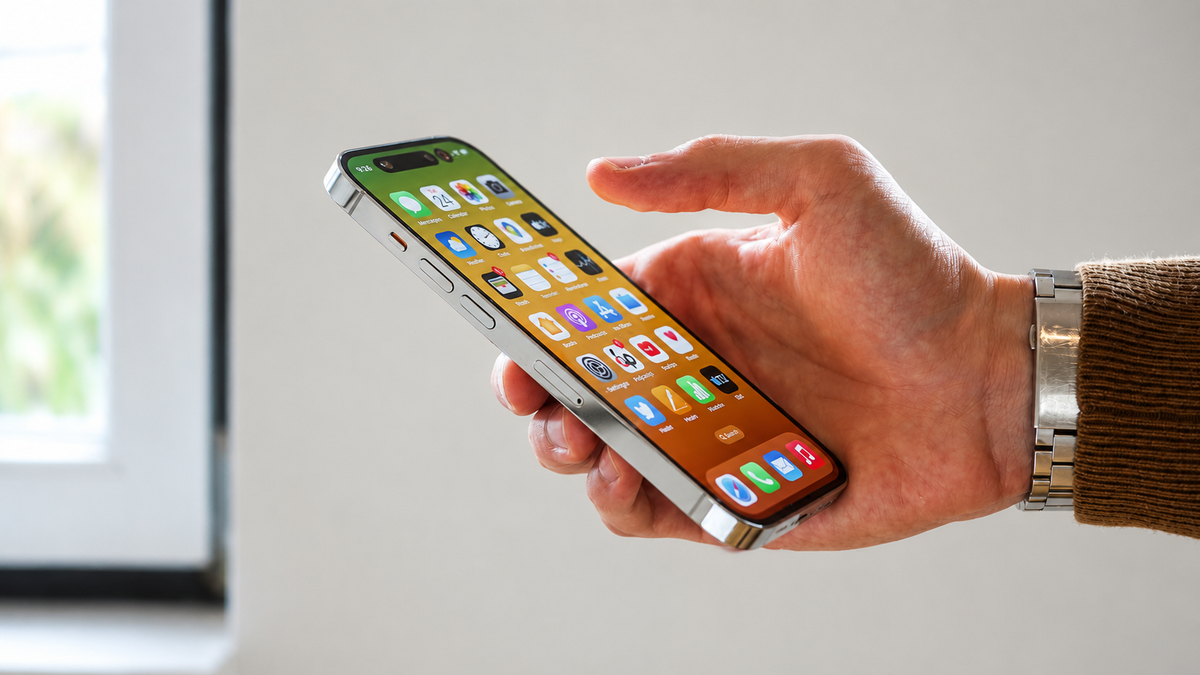
Apple is giving Siri one of its biggest changes yet, and some of the most interesting possibilities have nothing to do with setting alarms or checking the weather. With iOS 27, Siri AI is becoming more conversational, more aware of information stored across an iPhone and capable of carrying out more actions inside supported apps.
For entertainment, that could make Siri much more useful for music, podcasts and finding things people have previously been recommended. It also points towards a future where searching for something to watch or listen to becomes less about opening different apps and more about simply asking for what you want.
Siri is getting closer to your entertainment
Apple is already showing how the new Siri can work with entertainment. Examples include asking it to add a song someone hears to a workout playlist and using it to resume a podcast, demonstrating how the assistant can move beyond basic playback commands.
Apple’s App Intents framework expands those possibilities by allowing developers to make actions inside their own apps available through Siri. For music and audio services, that can include actions involving songs, playlists, libraries and podcasts, although exactly what is available will depend on each app and what its developer chooses to support.
That may sound like a small change, but it removes some of the usual steps between deciding what you want and actually getting it. Rather than opening a music app, finding a track and then adding it to the right playlist, Siri could increasingly handle the action from a normal spoken or typed request.
Finding that programme somebody recommended weeks ago
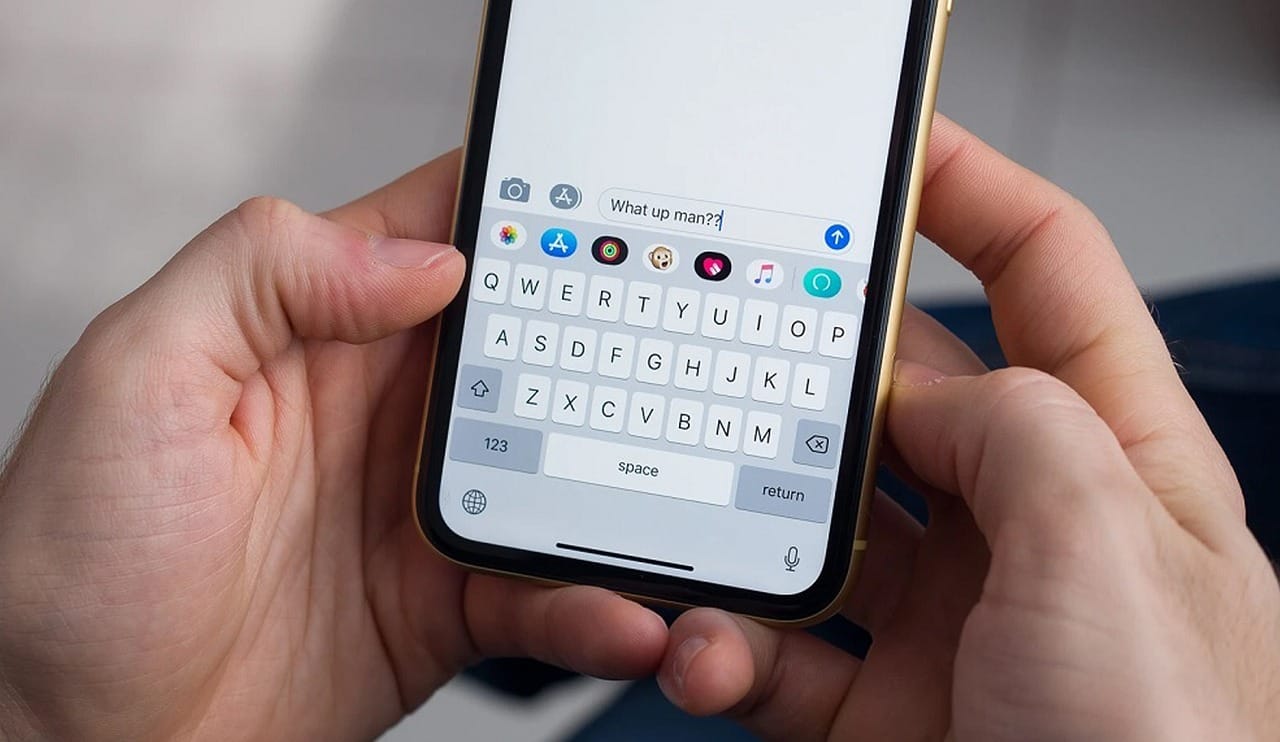
Personal context could prove even more useful for entertainment discovery. Siri AI is designed to understand information contained across places such as Messages, Mail, Photos and Notes, helping users find something even when they cannot remember exactly where they originally saw it.
That creates an obvious use for recommendations. If a friend mentioned a television series in Messages several weeks earlier, Siri could potentially help find that conversation again, while the same technology could be useful for locating cinema bookings, concert information or other entertainment plans buried inside emails.
Apple has demonstrated Siri retrieving information from personal communications, but it has not announced a dedicated entertainment recommendation service built around this feature. The important change is that Siri is gaining more ability to understand the context behind a request instead of relying entirely on users remembering exact names, apps or locations.
Could Siri help decide what to watch next?

This is where Siri AI starts becoming particularly interesting for television and film, although there is an important distinction between what Apple has announced and what could become possible later. The new Siri is designed for longer, more natural conversations, allowing users to continue a request rather than starting again every time.
That creates the foundations for interactions such as asking for something to watch and then narrowing the options by genre, length or mood. Apple has not announced a system that will automatically search every major streaming service and create personalised film or television recommendations, so that should not be treated as an existing iOS 27 feature.
The bigger development is the technology sitting between audiences and their apps. If streaming and entertainment companies choose to make more of their content and actions accessible through Apple’s systems, Siri could become another way people search for and interact with entertainment without repeatedly moving between different services.
The dedicated Siri app changes the experience too
Apple is also giving Siri its own app, moving it much closer to the conversational AI services people have become familiar with elsewhere. Conversations can be longer and previous exchanges can be revisited, rather than every interaction being treated as an isolated voice command.
That could matter when people are researching entertainment rather than simply controlling it. A conversation about films, music, podcasts or something somebody recommended could potentially continue over time instead of disappearing as soon as the first request has been completed.
Not every iPhone getting iOS 27 gets Siri AI

There is a significant hardware catch. While iOS 27 itself supports older devices including the iPhone 11 and later models, the Apple Intelligence technology behind the new Siri requires considerably newer hardware.
On iPhone, Apple Intelligence requires an iPhone 15 Pro or iPhone 15 Pro Max, or an iPhone from the iPhone 16 range or later. That means millions of people will be able to upgrade to iOS 27 without receiving the full Siri AI experience being promoted alongside it.
Availability will also vary by language and region. Siri AI is launching first in supported English-speaking markets before Apple expands it further, while its rollout in the European Union has faced separate issues connected with EU regulation.
China presents a different hurdle, with Apple Intelligence features requiring separate regulatory approval before they can become available there. The result is that the new Siri experience will not arrive for every compatible user at the same time.
Entertainment discovery could become much more conversational
The biggest change is not one playlist command or the ability to find an old message. Apple is bringing conversation, personal context and deeper app controls together inside Siri, creating an assistant that could become much more involved in how people discover and manage entertainment.
Finding something to watch or listen to currently means jumping between streaming platforms, searches, social posts, emails and recommendations from friends.
Siri AI suggests that at least some of that process could eventually start in a much simpler place: asking your phone.
For more on how artificial intelligence is changing television, film, music and digital entertainment, explore our latest AI & Entertainment articles on SoapLandTV.