AI Music Is Reaching the Charts: What Actually Counts as an AI Song?
AI music is reaching major charts, but the label can mean anything from fully generated tracks to human artists using AI production tools.

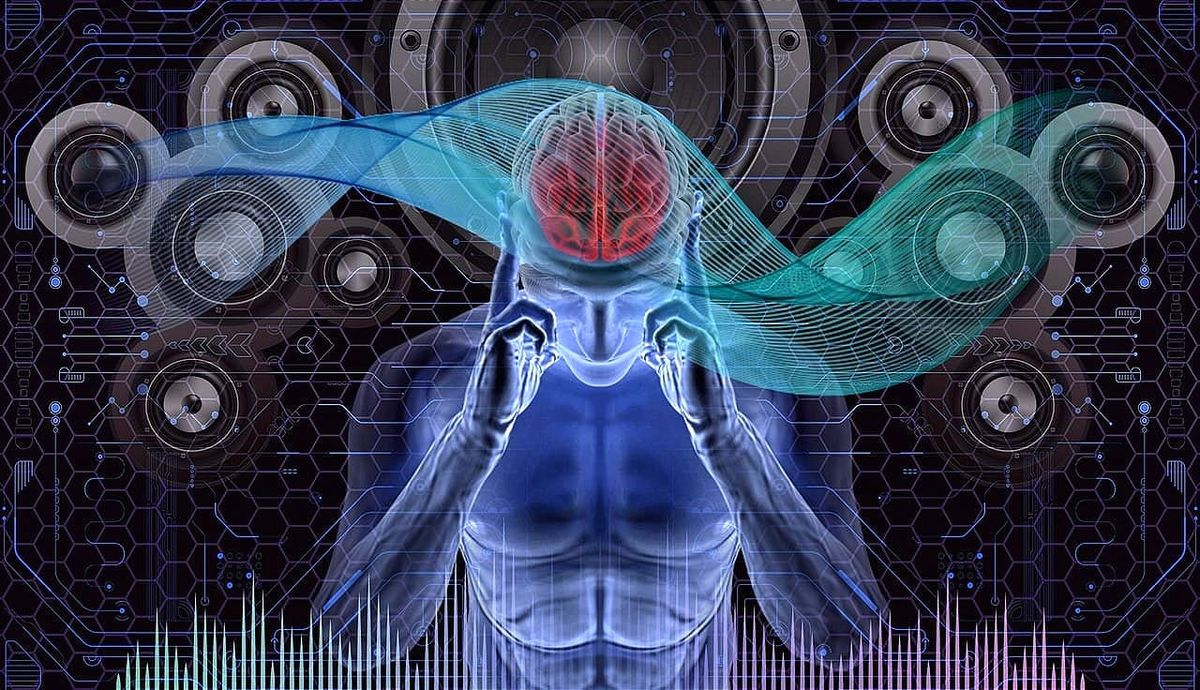
Artificial intelligence is becoming increasingly visible in mainstream music, but describing something simply as an “AI song” can now hide more than it explains.
AI generated tracks are reaching major charts, established musicians are using generative tools during production, artists are licensing digital versions of their voices and new performers are appearing somewhere between human and virtual. The result is a music industry where very different uses of AI are regularly grouped together under the same label
Fully generated and heavily AI generated music
At the furthest end of the spectrum are songs where generative AI appears to have created a substantial part of the finished music.
Fenix Flexin’s “Rubberz” reached No. 58 on the Billboard Hot 100 and has since been widely reported as the first AI generated song to reach Billboard’s flagship all genre singles chart. Fenix later acknowledged AI involvement, while Treblo said its technology appeared to have been used on the track, although the exact extent of AI’s contribution to the finished recording has not been independently established.
AI projects had already appeared elsewhere on Billboard before “Rubberz”. Breaking Rust topped the Country Digital Song Sales chart in 2025, while Xania Monet appeared on several R&B rankings, meaning the “Rubberz” milestone relates specifically to the Hot 100 rather than being the first AI related music ever to reach a Billboard chart.
Human artists using AI as a production tool
A very different category involves established musicians remaining at the centre of the creative process while using AI for individual sounds or production tasks.
Tyga has confirmed using artificial intelligence while making his 1980s inspired album “$tarface”, including to help create particular synth sounds and a guitar solo. He has stressed that he wrote the material and performed the vocals himself.
Tyga compared the development of AI tools with earlier technologies such as Auto Tune. Supporters of that comparison see both as new studio tools available to musicians, while critics argue that generative AI can go further by creating parts of a musical performance rather than simply modifying one that already exists.
Calling every album produced this way “AI generated” therefore risks giving listeners the wrong impression about how much human creative work remains involved.
Licensed AI voices
Artificial intelligence can also reproduce the voice of an existing performer with that artist’s permission.
Grimes became an early example with Elf.Tech, which allowed creators to transform their own recordings into vocals resembling her voice under an arrangement involving revenue sharing for commercially released music.
That is very different from copying somebody’s voice without permission. The technology may produce similar results, but consent, licensing and payment fundamentally change the relationship between the artist and the person using the digital voice.
Hybrid artists and digital personas
Timbaland’s TaTa Taktumi demonstrates how difficult even the term “AI artist” can become.
The project was originally introduced through Stage Zero as an AI built performer, but TaTa is now being presented as a human led hybrid artist. A real performer of Filipino heritage sits behind the digital persona, while newer material combines her vocals and performance with AI assisted production.
That evolution makes TaTa a particularly useful example of how quickly the boundaries can blur. A performer can have a digital identity, use extensive artificial intelligence and still involve a real human artist at the centre of the project.
Why the distinction matters
A human musician using AI to produce one instrumental sound is not doing the same thing as somebody generating an entire track from a written prompt. A licensed digital voice is also fundamentally different from an unauthorised voice clone, while a virtual persona may still have substantial human performance behind it.
Each model creates different questions around copyright, consent, payment, creative control and transparency. Simply attaching the words “AI music” to everything makes those differences harder to understand.
Spotify’s new approach reflects that distinction. Its AI Persona badge is intended to identify artificial artist identities, while separate AI Credits can provide information about how artificial intelligence was used during the creation of music.
As AI becomes more common in mainstream releases, the better question may no longer be whether a song is human or AI. What matters increasingly is exactly what the technology created, how much human involvement remained and whether the people whose work, voice or identity contributed to it agreed to that use.
Visit SoapLandTV’s AI & Entertainment section for more AI news, explainers and balanced features looking at how creators, platforms and audiences are responding to the technology.