AI Filmmakers Compete for $300,000 as Halloween Deadline Approaches
PixVerse’s PixLight AI film competition closes on 31 October, with a $300,000 prize fund and opportunities for filmmakers and screenwriters.

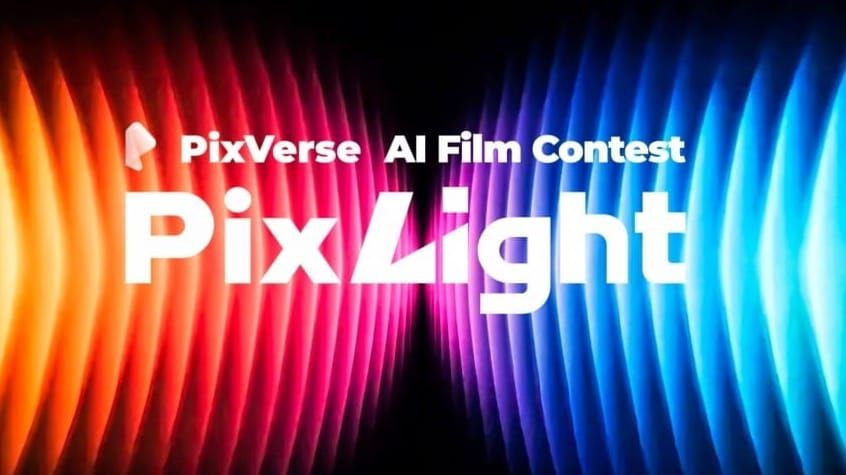
AI filmmakers have until Halloween to enter a competition offering $300,000 in prizes, with organisers searching for projects that demonstrate how artificial intelligence can be used to tell longer, more developed stories.
PixLight, the annual AI film competition organised by PixVerse, closes on Saturday 31 October 2026 after its submission deadline was extended.
The competition includes separate categories for completed film pilots and screenplay projects, with successful entrants also potentially receiving development support beyond the cash awards.
What are filmmakers being asked to create?
The competition offers two main routes for creators, allowing filmmakers to submit completed genre pilots or pitch feature-length screenplays.
The Pilot Track is aimed at directors who have developed a finished film project, while the Script Track provides an opportunity for writers to present a screenplay and supporting pitch.
Rather than concentrating solely on short demonstrations of AI-generated imagery, the competition is designed to identify projects with the potential for further development.
That distinction is particularly relevant as AI filmmaking tools become increasingly capable of generating realistic moving images, but still present difficulties involving character consistency, dialogue, continuity and longer narratives.
How much money can entrants win?
The competition has a confirmed $300,000 prize pool, with the largest individual award worth $100,000.
The PixLight Grand Prize will provide $100,000, while the Gold Award is worth $50,000 and the Silver Award carries a $20,000 prize.
There are also 20 Pilot Track Spotlight Awards worth $5,000 each and 10 Script Track Spotlight Awards worth $3,000 each.
The prize structure means recognition is available beyond the three highest-placed entries, potentially allowing a wider group of filmmakers and writers to receive financial support.
Could winning lead to a finished film?
PixVerse is promoting the competition as more than a one-off awards programme, with selected projects potentially progressing into its wider development system.
The organiser’s PixLab initiative offers an invitation-only development pathway for promising creators, including guidance, production support and further collaboration.
Selected projects may also progress towards PixVerse Originals, where the company says it can support development, production and international release.
These opportunities are not guaranteed for every entrant or prize winner, but they demonstrate the competition’s ambition to identify projects that could progress beyond an initial submission.
What does this mean for AI entertainment?
AI-generated film has developed rapidly, but producing a convincing narrative still requires creative decisions about character, performance, pacing and the relationship between individual scenes.
Competitions that assess complete pilots and screenplay pitches may provide a clearer indication of how the technology performs when creators attempt more ambitious storytelling.
They also raise wider questions about the ownership of AI-generated material, the use of existing creative work in training systems and the future relationship between human filmmakers and automated production tools.
For creators considering an entry, the competition’s deadline is Saturday 31 October at 11.59pm UTC, and full requirements are available through the official PixLight competition page.
Entrants should read the eligibility, intellectual property and submission conditions carefully before uploading their projects.