10 Movies Made With AI: From Sunspring to The Cully Hill Boys
Explore 10 movies made with AI, from Sunspring and Critterz to Dreams of Violets, Hell Grind and The Cully Hill Boys, including how they were created and where to watch them.

Films about artificial intelligence have existed for decades, but films actually made using AI are a much newer development. In just ten years, filmmakers have moved from asking a neural network to write strange dialogue to generating animation, environments, voices and digital versions of real performers.
That does not mean computers are making films alone. Every project here still involves human creative decisions, whether through writing, directing, prompting, performing, selecting images, editing or deciding which generated material is good enough to use.
These ten films show how AI filmmaking has developed, what humans still contribute and where audiences can currently watch the results.
Sunspring (2016)

Sunspring is an obvious starting point. The nine minute science fiction short was written by a recurrent neural network nicknamed Benjamin after it was trained on existing science fiction screenplays.
Human actors, including Thomas Middleditch, then had to interpret its unusual dialogue and directions. The finished film is messy and surreal, but that was part of the fascination: AI had entered the creative process rather than simply appearing in the story.
Where to watch: Sunspring can be watched free on YouTube through the Ars Technica channel, and is also embedded on the official Therefore Films website.
Zone Out (2018)
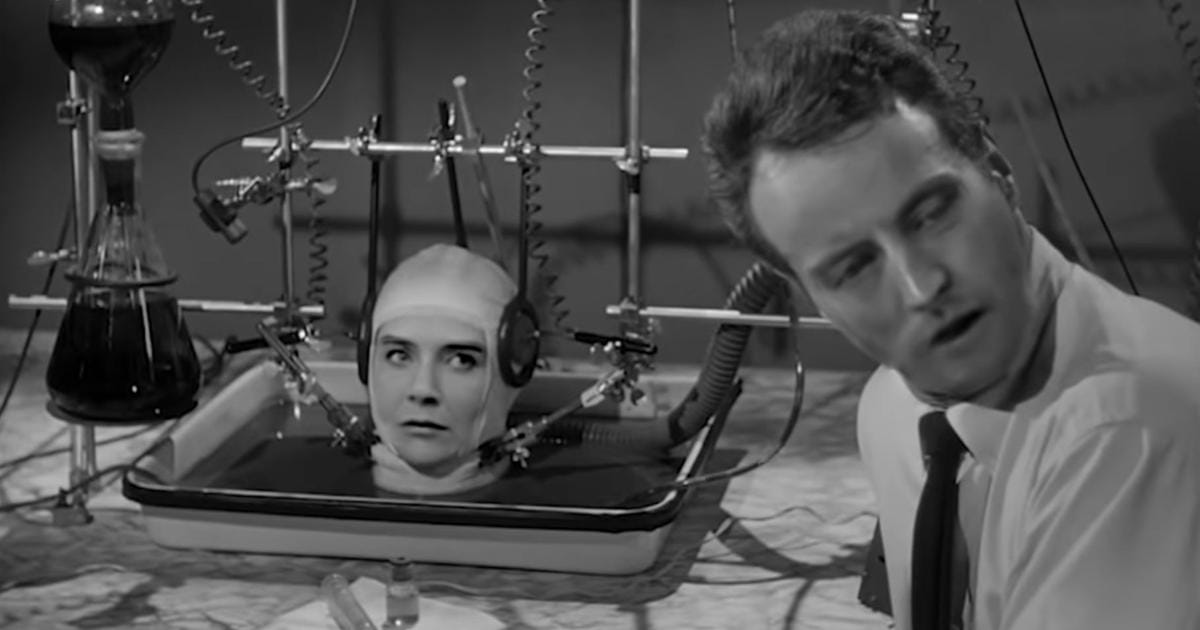
Two years later, Benjamin returned with considerably more responsibility. Zone Out was made during a 48 hour filmmaking challenge, with AI involved in writing, editing, synthetic voices, music and face swapping applied to existing footage.
The technology looks primitive beside current generative video, but the experiment anticipated questions the entertainment industry is now asking about synthetic performers and generated voices.
Where to watch: Zone Out is available free online through the filmmakers’ Therefore Films website, which hosts Benjamin’s films, and the original film was also released through Ars Technica.
Critterz (2023)
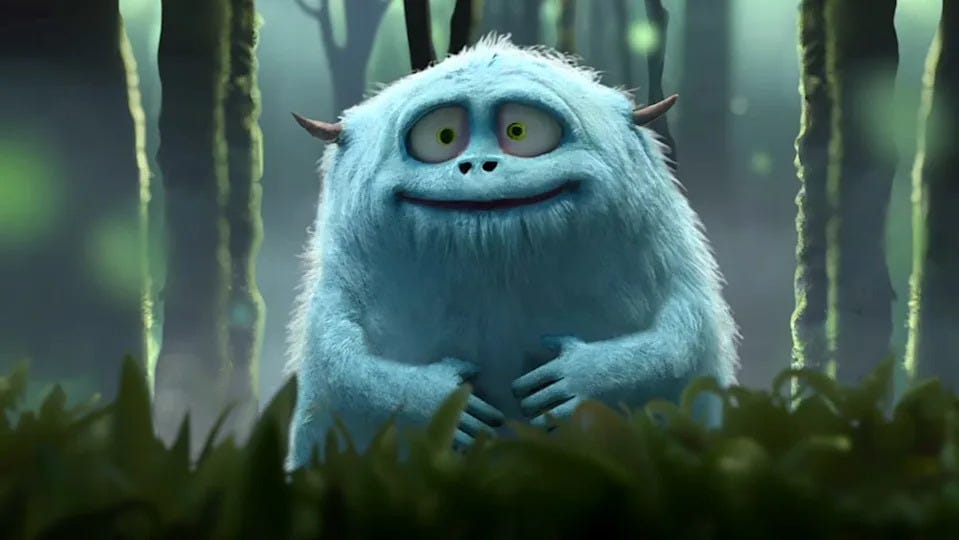
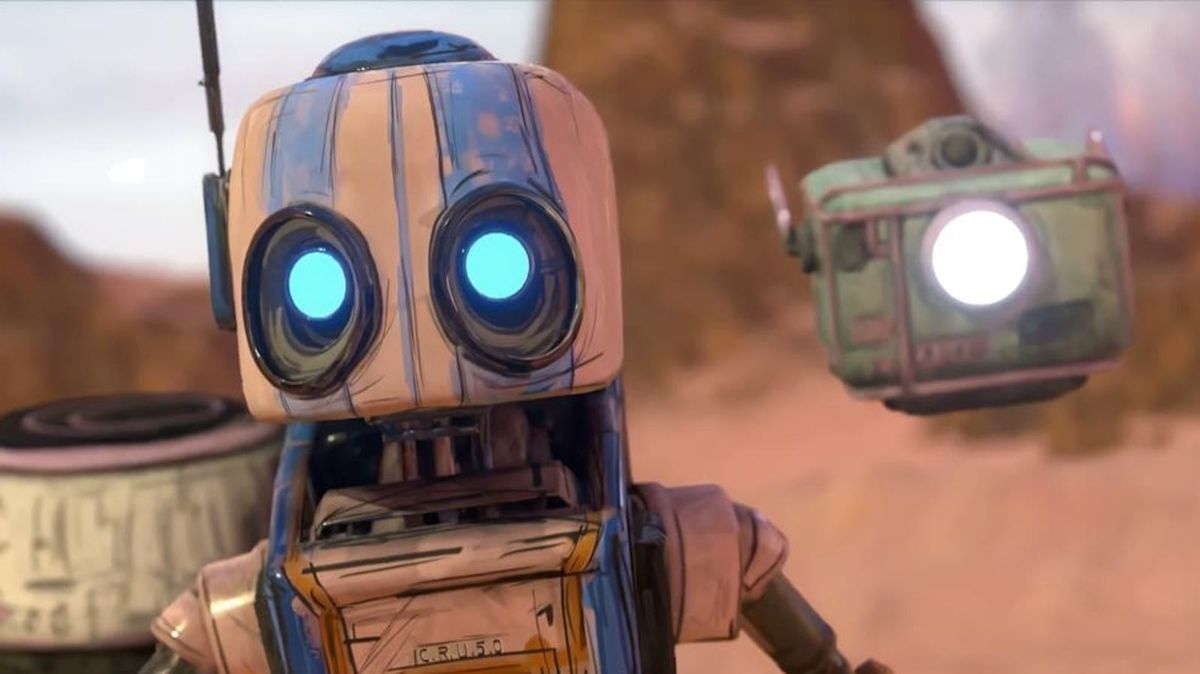
Critterz showed how generative imagery could work alongside human animation. Chad Nelson used OpenAI’s DALL E to create hundreds of ideas for characters and environments before artists developed the selected images into a finished 3D animated short.
Animation, voices, performance capture, music and sound still required human involvement, making Critterz a useful example of AI being inserted into an existing creative pipeline.
Where to watch: Critterz can be watched free on the film’s official website, Critterz.tv, where the original AI assisted short and information about how it was made are available.
The Last Screenwriter (2024)

The Last Screenwriter asked whether ChatGPT could create an entire feature screenplay that a professional cast and crew could then turn into a film.
Director Peter Luisi began with the idea of a screenwriter discovering that AI could write better than him. ChatGPT subsequently developed characters, scenes and dialogue, while the finished 72 minute movie was filmed conventionally.
Where to watch: The Last Screenwriter is available free through the film’s official website and YouTube. The filmmakers released it as a not for profit project to encourage discussion about AI and the creative industries.
DreadClub: Vampire’s Verdict (2024)
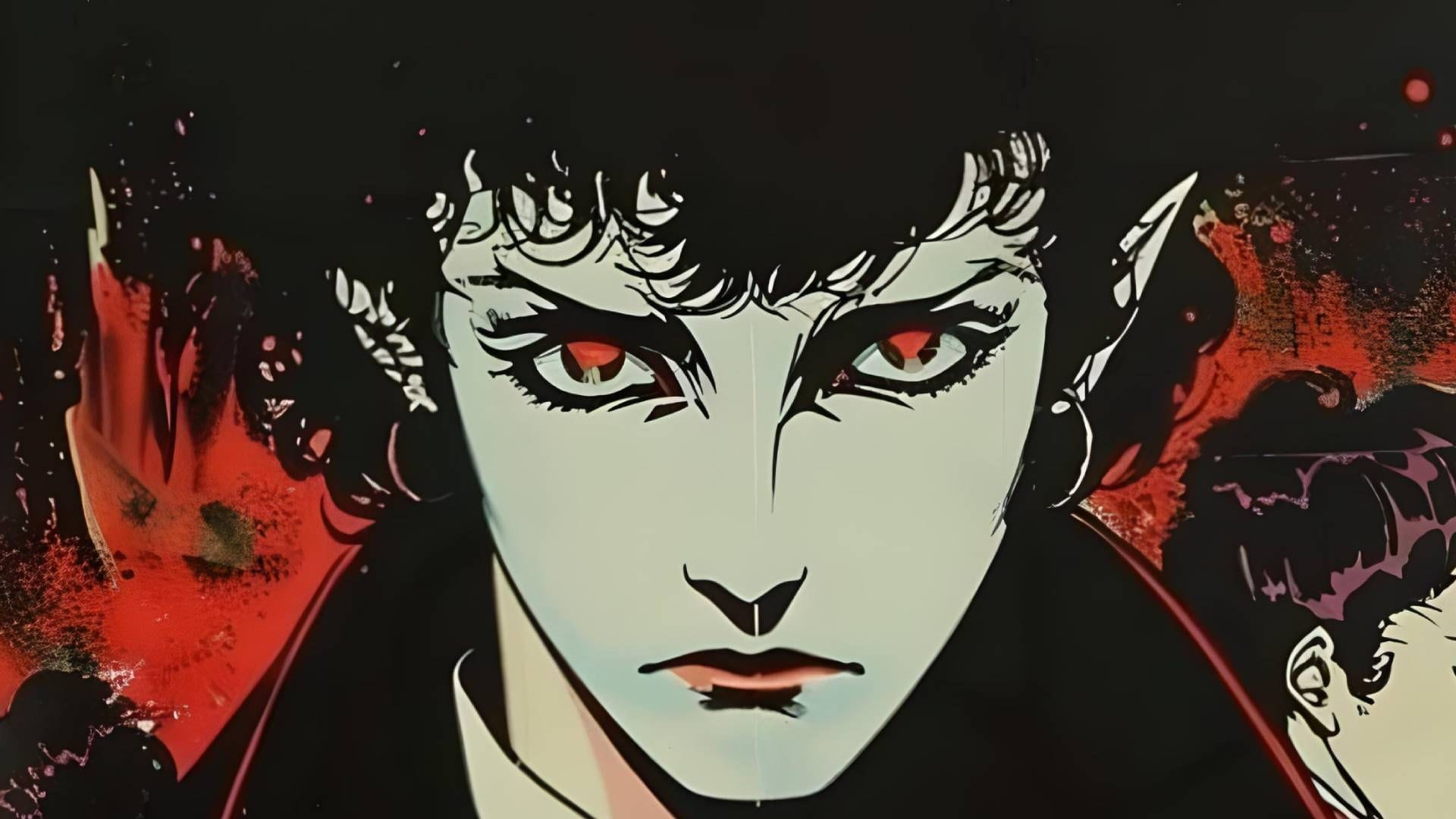
Hooroo Jackson’s DreadClub: Vampire’s Verdict pushed much further towards an AI generated feature. Jackson has described using AI across imagery, animation, performances, sound and music during the creation of the gothic story.
Its existence also complicates claims surrounding the first fully AI animated feature, showing why such labels need to be treated carefully.
Where to watch: In the UK, DreadClub: Vampire’s Verdict is currently listed on Amazon Prime Video and Prime Video with Ads, with a free ad supported option also listed. It can also be rented or bought through Amazon Video.
Where the Robots Grow (2024)

Where the Robots Grow became another important feature length experiment from AiMation Studios. Generative AI formed a major part of its visual production, while human creators still handled direction, selection and additional visual work.
The 87 minute family science fiction film also demonstrates how quickly different teams began reaching similar AI filmmaking milestones.
Where to watch: Where the Robots Grow is available to watch free in full on the official AiMation Studios YouTube channel.
The Safe Zone (2022)

The Safe Zone arrived just weeks after ChatGPT became publicly available and turned the technology itself into part of the filmmaking experiment. Producers Richard Juan and Aaron Kemmer used ChatGPT to create the short film’s script and detailed shot list, including suggestions for camera lenses, movement, lighting and wardrobe.
DALL E 2 was also used to help generate the storyboard, while human actors and crew then turned those instructions into the finished film. That makes The Safe Zone an interesting early example of AI being used not only to write dialogue, but to influence decisions normally associated with directing and pre production.
OpenAI’s DALL-E 2, an early generative AI tool that creates images from written instructions, was also used to help produce the storyboard, while human actors and crew then turned those ideas into the finished film.
The film also has an unusual extra layer: its story is about artificial intelligence taking over the world, meaning AI helped create a film about the dangers of AI itself.
Where to watch: The Safe Zone can be watched free online through the official film website and YouTube.
The Frost (2023)
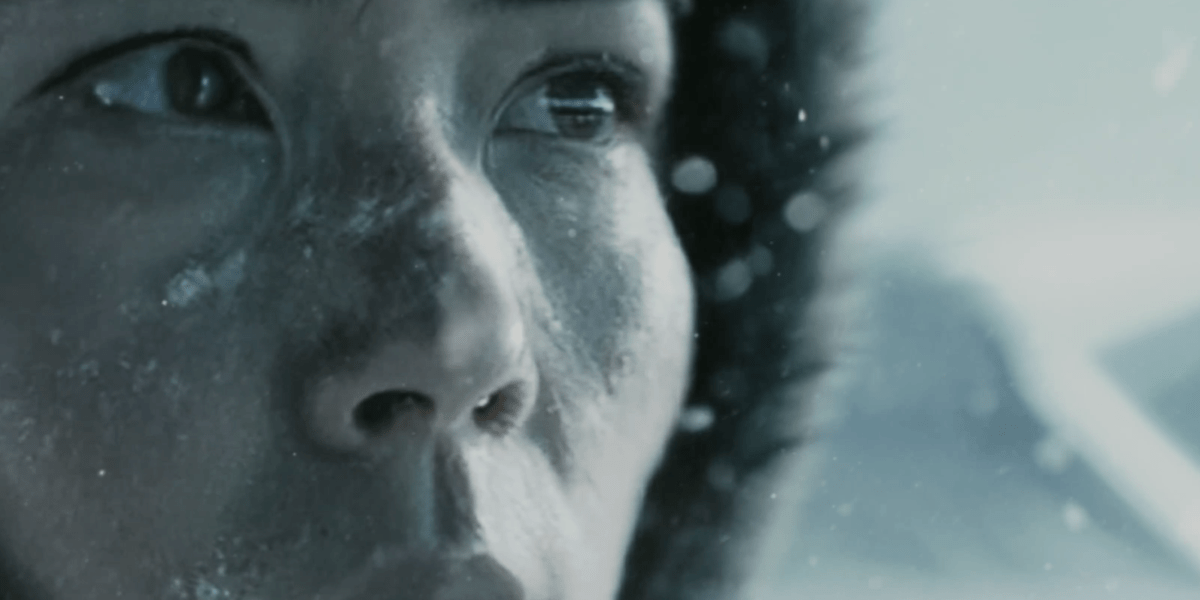
The Frost represented a major step forward from AI written scripts because generative technology was used to create the imagery audiences actually see on screen.
Waymark’s 12 minute science fiction short was written and directed by Josh Rubin, with DALL E 2 used to generate the individual shots. Those still images were then animated using additional AI technology, including D ID, giving movement to faces and characters.
The result has a distinctive visual style that does not attempt to hide the limitations of early generative imagery. Instead, the filmmakers built the world around what the technology could produce, making The Frost an important snapshot of how AI video looked before the more advanced generation tools available today.
Where to watch: The Frost is available free online through the film’s official website, which also includes behind the scenes material explaining how the project was created.
Hell Grind (2026)

Hell Grind pushed AI filmmaking towards feature length fantasy and action. Higgsfield’s platform allows filmmakers to generate video shots from prompts and references, often creating many versions before human filmmakers select, refine and edit the material they want.
The 95 minute production required thousands of generations, showing that generative filmmaking can still involve extensive human curation. Its Cannes appearance was connected to the film market rather than the official festival programme.
Where to watch: Hell Grind can be watched through Higgsfield’s Originals platform, where the 95 minute project has also been opened up with its production material. Veocast currently carries Hell Grind as part of its AI cinema catalogue.
The Cully Hill Boys (2026)
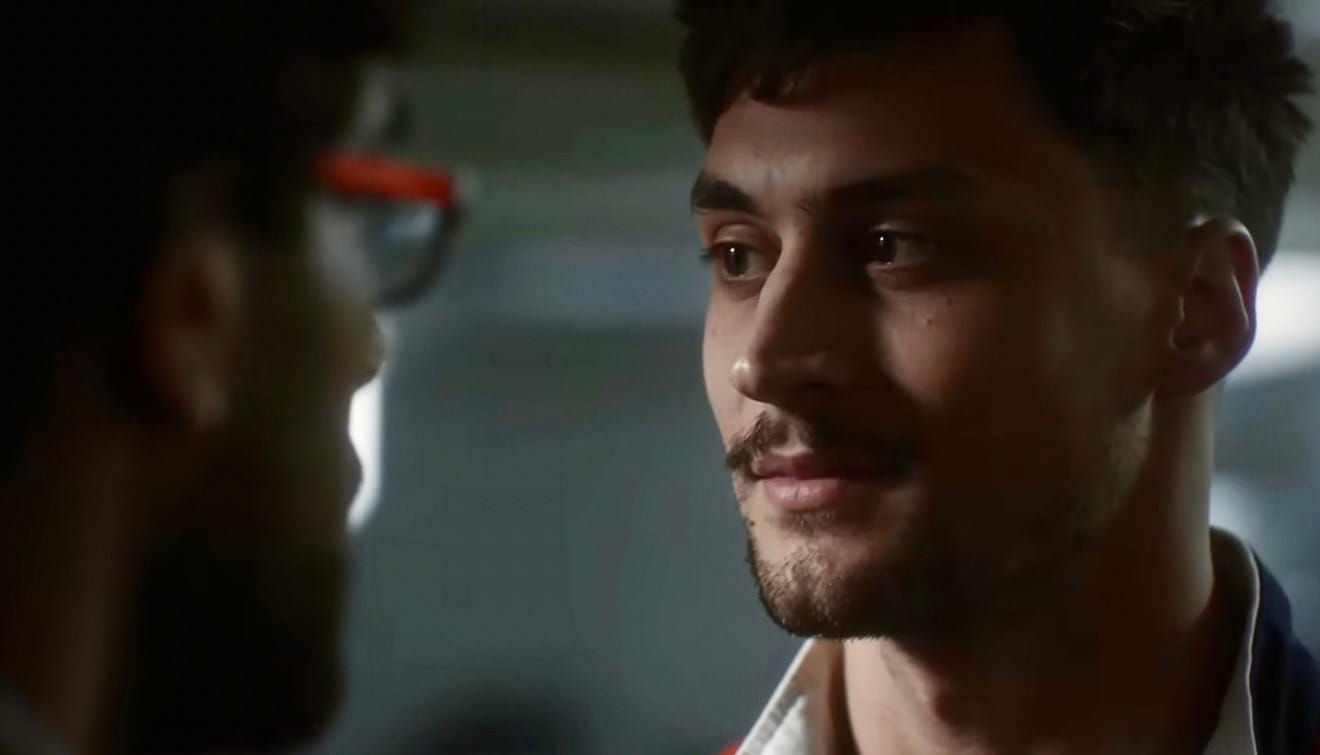
The Cully Hill Boys takes the story into licensed synthetic performance. Built from a human written screenplay by Tim Planagan, it uses licensed digital likenesses of Israel Adesanya, Quinton “Rampage” Jackson, N3on and Matt Kiatipis.
That licensing matters. Consent, compensation and control over a performer’s face and identity are central issues in the current AI debate, and these appearances were authorised rather than created as unauthorised deepfakes.
The project therefore offers a very different model for synthetic performance: real people agreeing to how their digital likeness can be used and being part of the commercial arrangement surrounding it.
Where to watch: The Cully Hill Boys is available to watch online through Veocast, which currently hosts the full 1 hour 55 minute film. Higgsfield also hosts the project and its production assets.
Quick Guide to AI Filmmaking Terms
Generative AI: Technology that creates new material such as text, images, video or voices from instructions and reference material.
Synthetic performance: A performance created or substantially generated digitally rather than physically performed in the finished shot.
Digital replica: A digital recreation of a real person’s face, voice, body or appearance.
AI assisted animation: Animation where AI contributes to part of the workflow while human artists remain responsible for other stages.
Full process AIGC: Artificial intelligence generated content used across several stages of a production rather than for one isolated task.
How Quickly AI Filmmaking Has Changed
The distance between Sunspring and The Cully Hill Boys is distinct. In 2016, the novelty was watching human actors perform dialogue written by a neural network. By 2026, filmmakers were generating feature length visual worlds and experimenting with licensed digital versions of real performers.
Humans have not disappeared from this process. What has changed is how many parts of filmmaking AI can now touch, while questions around copyright, consent, employment and transparency continue alongside the technology.
The next test is no longer simply whether AI can help make a movie. It is whether filmmakers can use it to create something audiences genuinely want to watch.
For more on AI generated movies, films about artificial intelligence and the technology changing cinema, explore SoapLandTV’s AI & Entertainment coverage.
Images: All images remain the property of their respective copyright holders, filmmakers and production companies and are used for editorial purposes only.