World AIDS Day 2026 and the Remarkable Story Behind the Red Ribbon
When is World AIDS Day 2026 and why do we wear red ribbons? Discover the history behind the international symbol of HIV and AIDS awareness.

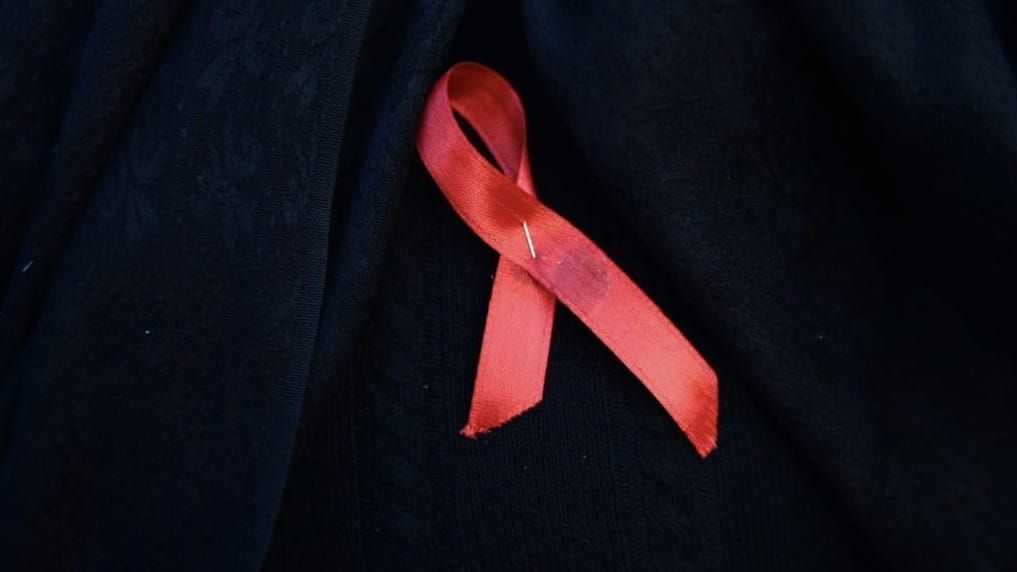
On Tuesday 1 December, communities around the world will mark World AIDS Day, remembering those who have died from AIDS-related illnesses, supporting people living with HIV and recognising the medical advances that have transformed millions of lives.
First observed in 1988, World AIDS Day became the world’s first international health awareness day. This year’s campaign, Ending AIDS Starts With Access, focuses on ensuring that people can obtain HIV prevention, testing and treatment regardless of where they live or their personal circumstances.
Ahead of this year’s event, SoapLandTV is exploring some of the remarkable people, personal stories and cultural movements that helped shape the response to HIV and AIDS. Among the most recognisable symbols associated with the annual event is the red ribbon, but how did a simple piece of fabric become an international expression of solidarity?
The New York Artists Behind the Red Ribbon
In the spring of 1991, members of the Visual AIDS Artists’ Caucus began developing a symbol that could express their feelings about the epidemic.
New York’s creative community had experienced the loss of numerous artists, performers and friends. Taking inspiration from yellow ribbons used in other public campaigns, the group chose red for its associations with blood, love, passion and anger.
The design was intentionally simple. Anyone with a piece of ribbon and a safety pin could recreate it, while its creators chose not to copyright the symbol, allowing it to be reproduced freely.
From Broadway to Wembley Stadium
The ribbon attracted international attention during the Tony Awards on 2 June 1991, when British actor Jeremy Irons appeared wearing one. Less than a year later, the Freddie Mercury Tribute Concert for AIDS Awareness at Wembley Stadium introduced the ribbon to another enormous international audience.
What began as an initiative within New York’s artistic community gradually became familiar at entertainment awards, sporting events and World AIDS Day gatherings. Its simplicity allowed people from different countries and backgrounds to embrace the same symbol.
Why Are We Still Wearing It in 2026?
Although 32.1 million people worldwide are receiving HIV treatment, almost nine million people living with the virus remained without access to treatment in 2025. This year’s campaign highlights how financial difficulties, discrimination and limited access to healthcare can prevent people from benefiting from medical advances.
Thirty-five years after its creation, the red ribbon remains something anyone can wear. For some, it commemorates a loved one, while for others it expresses friendship and support for people living with HIV today.
Discover the Red Ribbon Project through Visual AIDS, visit the UK World AIDS Day website or explore the UNAIDS World AIDS Day 2026 campaign.
image source: UNAIDS World AIDS Day campaign.