Wimbledon 2026: The Famous Faces and Hidden Experts Behind the BBC Broadcast
Meet the BBC presenters, pundits, commentators, producers, engineers and technology experts behind Wimbledon 2026, including Hawk-Eye and AI.



Wimbledon Is More Than Tennis - It's One of the Most Complex Live Productions in the World
For two weeks every summer, Wimbledon becomes the centre of the sporting world
Millions watch the action unfold on Centre Court, listening to familiar voices such as Clare Balding, John McEnroe, Tim Henman and Andrew Cotter. But while viewers focus on the players, an extraordinary operation is taking place behind the scenes.
Yet the biggest story may not be the people viewers recognise. It is the producers, directors, engineers, replay operators and technology specialists who make Wimbledon work.
Modern Wimbledon coverage is no longer simply a commentator watching tennis from a box. It is a vast technology-driven production involving former champions, producers, directors, data analysts, software engineers, AI-assisted systems, replay specialists, audio technicians, fibre-optic network engineers and hundreds of broadcast professionals working around the clock.
The BBC's 2026 coverage features new additions including Andre Agassi, Jamie Murray, Laura Robson and Eugenie Bouchard, alongside established names such as McEnroe, Navratilova and Henman.
The Hidden Workforce Behind Wimbledon Coverage
While viewers know Balding, McEnroe and Henman, they rarely know the names of the people responsible for creating the broadcast itself.
In reality, Wimbledon is produced by hundreds of specialists working behind the scenes.
Most never appear on television.
BBC Wimbledon Presenters: The Faces of the Championships
Clare Balding - The Conductor of Wimbledon

Clare Balding is arguably the face of BBC Wimbledon coverage. While viewers see her introducing matches and interviewing players, her role is far more complex than most realise. Balding effectively acts as the editorial anchor of the Championships, connecting coverage across multiple courts, managing discussions with pundits, responding to breaking news and steering viewers through hours of live television.
Few broadcasters possess Balding's breadth of experience. Over the past two decades, she has fronted coverage of Olympic Games, Paralympics, horse racing, rugby, athletics and numerous state occasions. That experience makes her uniquely qualified for Wimbledon, where schedules can change instantly due to weather, injuries or marathon matches. A typical tournament day can involve ten or more hours of live broadcasting.
Isa Guha - The Athlete Turned Broadcaster

Former England cricketer Isa Guha represents the modern generation of sports presenters. Unlike traditional television hosts, Guha arrives with elite sporting experience and an understanding of professional performance environments.
That experience allows her to speak differently with players and coaches. She understands pressure, expectations, media commitments and recovery from setbacks because she has experienced them herself. Increasingly, broadcasters value presenters who combine communication skills with first-hand sporting credibility.
Andy Stevenson - The Versatile Broadcaster

Andy Stevenson is one of the BBC's most adaptable members of the Wimbledon team, working both as a presenter and commentator including regular involvement in wheelchair tennis coverage.
In modern broadcasting, versatility is increasingly valuable. Stevenson represents a growing trend in sports media where broadcasters move seamlessly between live presentation, commentary, interviews and digital content.
Wimbledon Pundits: The Experts Trusted by Millions
John McEnroe - Tennis's Most Influential Voice
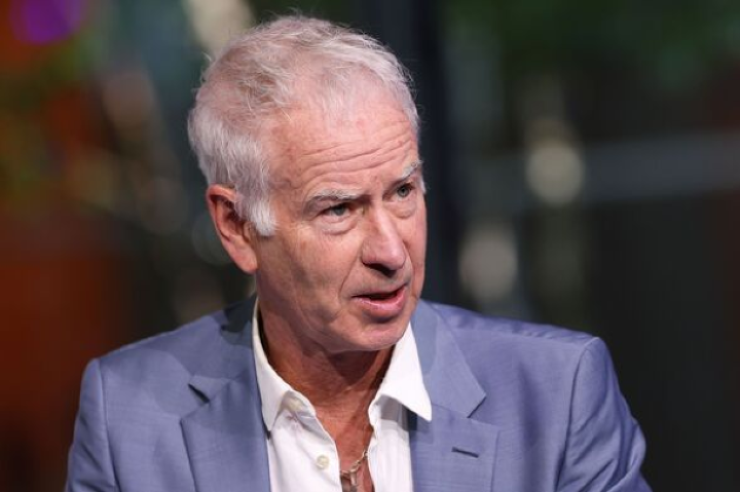
Few figures in tennis broadcasting command more attention than John McEnroe.
The former Wimbledon champion remains one of the BBC's most valuable analysts because he explains not just what happened, but why it happened. His expertise focuses on court geometry, player psychology, momentum shifts and tactical adaptation.
McEnroe remains highly valued by broadcasters because he combines elite technical knowledge with the ability to explain complex aspects of the sport to mainstream audiences.
Martina Navratilova - The Ultimate Grass-Court Authority

Many analysts understand Wimbledon.
Few understand Wimbledon like Martina Navratilova.
Widely regarded as one of the greatest grass-court players in tennis history, Navratilova's expertise covers serving, volleying, positioning, movement and tactical construction on grass surfaces.
Her analysis often highlights subtle details viewers would otherwise miss, such as positioning before a return, recovery footwork or strategic net approaches. In many ways, she remains a masterclass in how grass-court tennis should be played.
Tim Henman - One of Britain's Most Respected Tennis Analysts
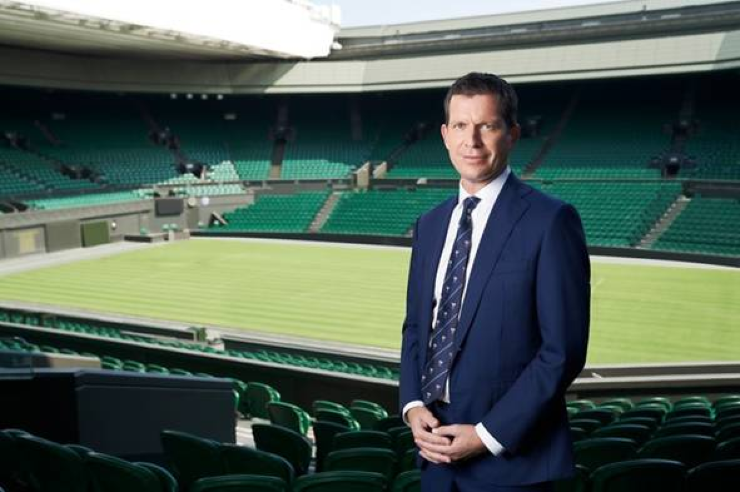
Tim Henman occupies a unique position within BBC Sport.
Unlike some former champions, Henman is known for measured, balanced and highly tactical analysis. He rarely reaches for sensational claims. Instead, he focuses on explaining why players make certain decisions and how matches evolve.
His understanding of British tennis also makes him particularly valuable during coverage involving domestic players. Few analysts can explain the pathways, pressures and expectations facing British competitors with greater authority.
Billie Jean King - The Historical Authority
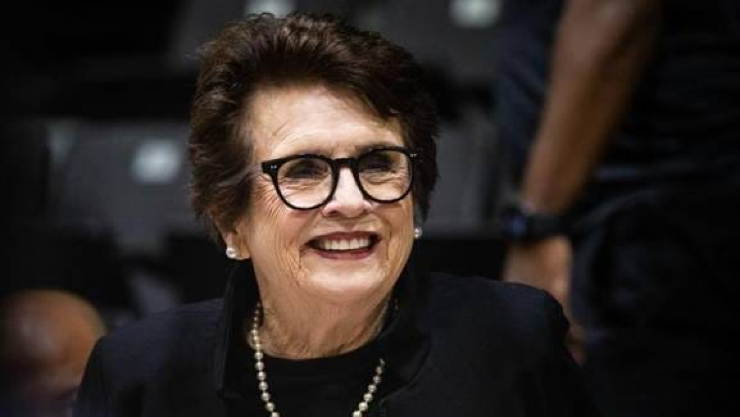
Billie Jean King's contribution extends beyond match analysis.
She provides context.
King can connect modern tennis to decades of history, explaining how the sport has evolved and how current stars compare with previous generations. Her insights often touch on governance, equality, professionalism and the wider development of tennis worldwide.
Andre Agassi - The Champion's Perspective
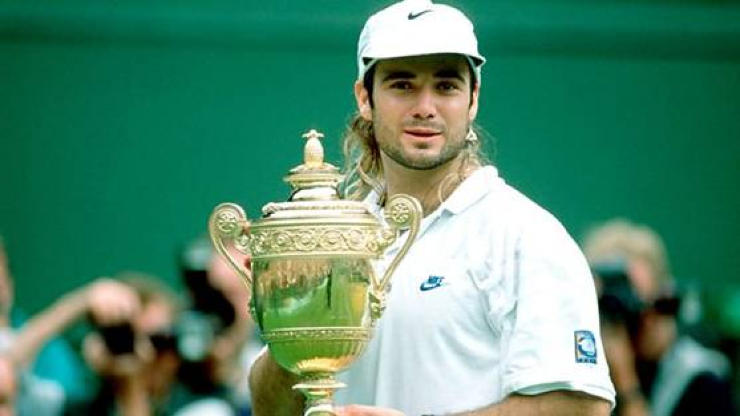
One of the BBC's major additions for 2026 is Andre Agassi. The eight-time Grand Slam champion brings an elite perspective that few commentators can replicate.
Agassi is expected to bring insight into championship preparation, tactical planning and psychological resilience from his experience as an eight-time Grand Slam champion. His perspective is likely to focus on how elite players build success across matches and tournaments rather than solely on individual points.
Jamie Murray - Bringing Data-Driven Analysis to Wimbledon
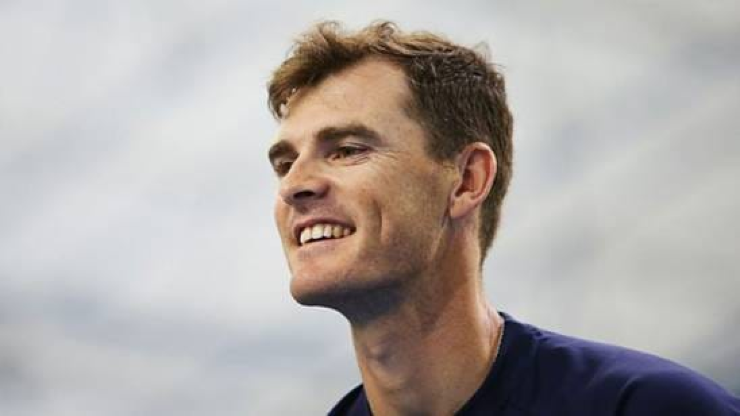
Perhaps the most strategically significant new addition is Jamie Murray.
Unlike traditional pundits, Murray's role centres heavily around data, analytics and tactical breakdowns. He has been positioned by the BBC as a dedicated analysis expert, reflecting a broader shift towards evidence-based coverage
The appointment reflects a broader industry trend towards analytics-led sports coverage. Increasingly, audiences expect explanations supported by advanced statistics, visualisations and performance metrics rather than instinct alone.
Laura Robson and Eugenie Bouchard - The Modern Player Perspective
Laura Robson and Eugenie Bouchard provide something many veteran analysts cannot: recent experience of the modern tour. Both understand the pressures faced by today's players, from social media scrutiny and fitness demands to travel schedules and media obligations.
Their perspective often helps explain aspects of professional tennis that are invisible to viewers but crucial to performance.
The Commentators: Voices That Define Wimbledon
The BBC's commentary team includes Andrew Castle, Andrew Cotter, Robbie Koenig, Naomi Cavaday, Nick Lester, Katherine Downes, Chris Bradnam and several others.
Andrew Castle - 2026 marks Andrew Castle's final Wimbledon with the BBC after more than two decades behind the microphone. His greatest skill has been making tennis accessible to mainstream audiences.
Andrew Cotter- Andrew Cotter is widely respected for his calm delivery, attention to detail and ability to describe unfolding action without becoming the story himself. His multi-sport expertise has made him one of Britain's most trusted commentators.
Robbie Koenig - Former professional player Robbie Koenig combines technical expertise with enthusiasm and energy. He is regarded by many tennis insiders as one of the sport's finest broadcasters.
Television Producers: The Editorial Brains
A producer is effectively the editor-in-chief of Wimbledon coverage.
Their responsibilities include deciding which stories deserve attention, planning interviews, assigning resources and shaping the overall direction of the broadcast.
Throughout the day producers constantly ask questions:
- Which match matters most?
- Which interview should air?
- Which storyline deserves coverage?
- Should viewers remain on Centre Court or switch elsewhere?
They are making editorial decisions every minute.
Television Directors: Key Decision-Makers in the Broadcast
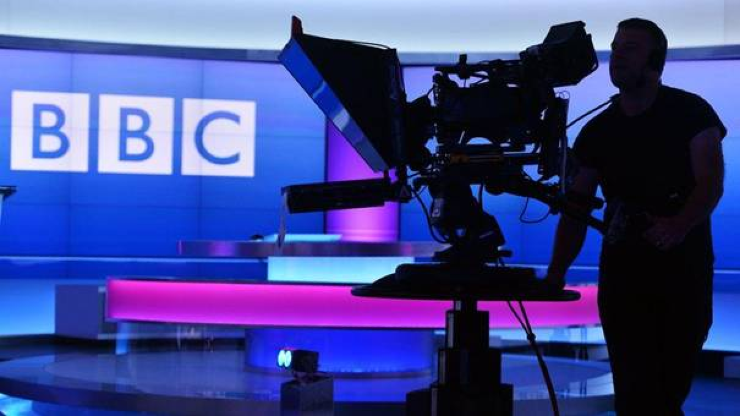
If producers decide what the story is, directors decide how viewers see it.
A director chooses:
- Camera angles
- Crowd shots
- Replay timings
- Celebrity appearances
- Emotional reactions
During a single Wimbledon final, a director may make thousands of decisions.
When viewers describe a broadcast as dramatic or cinematic, much of that effect originates in the director's choices.
EVS Replay Operators: The Fastest Editors in Television
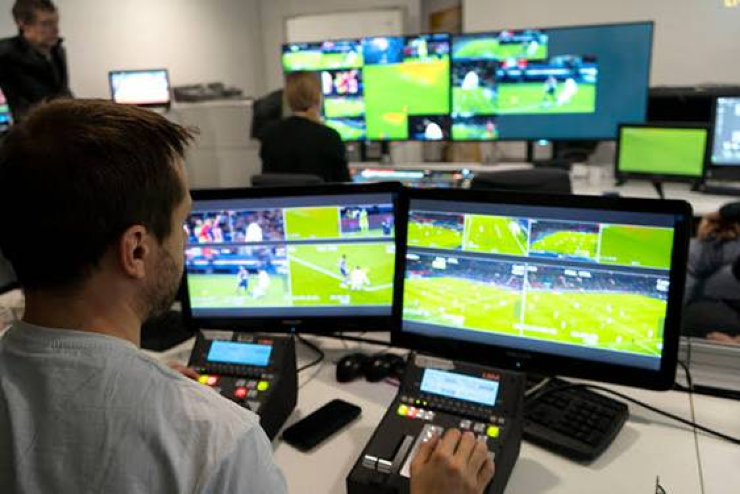
Few sports fans have heard of EVS operators. Yet every viewer watches their work constantly.
EVS is the industry-standard replay system used throughout elite sport. Every camera feed is recorded continuously. Operators retrieve key moments, build multi-angle replay packages and deliver footage seconds after it happens.
A spectacular winner by Carlos Alcaraz can be replayed from six different angles almost immediately because EVS specialists have already identified the moment and prepared the sequence.
The best operators are not simply technicians.
They anticipate drama before it occurs.
Vision Mixers: The People Physically Changing the Pictures
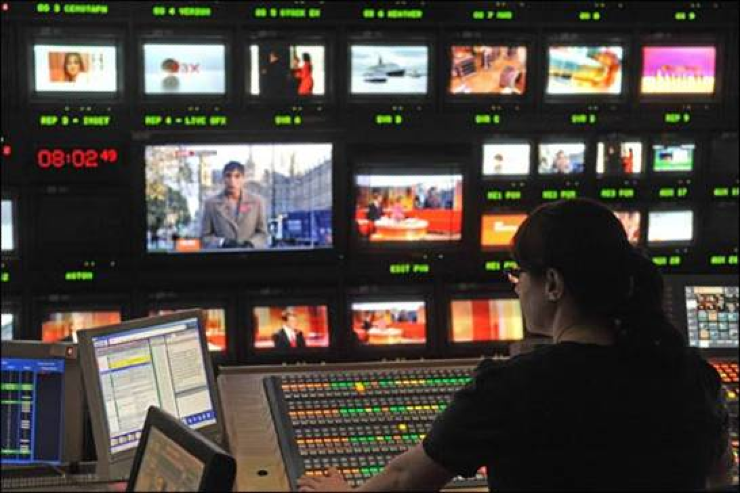
The vision mixer sits inside the production gallery.
While the director calls instructions, the vision mixer executes them.
Every transition between:
- Match action
- Replays
- Studio discussion
- Statistics
- Crowd reactions
is controlled by a vision mixer.
A modern Wimbledon production may involve dozens of simultaneous video sources and thousands of on-air transitions.
Hawk-Eye and Electronic Line Calling
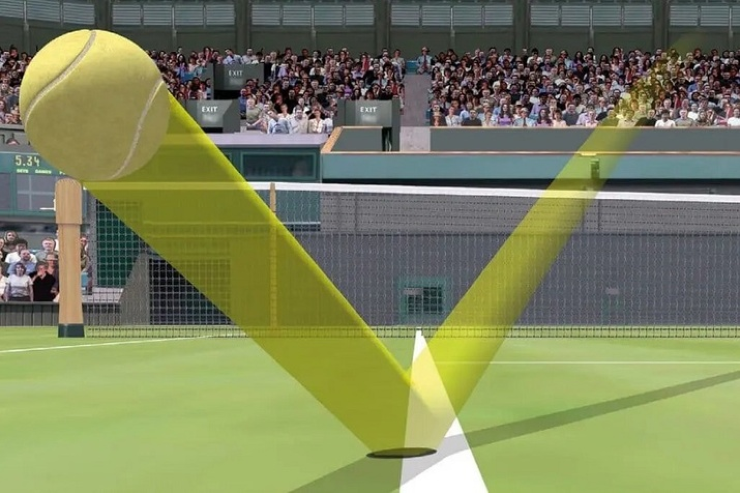
The Technology That Replaced 147 Years of Tradition
One of the most profound technological changes in Wimbledon history occurred when electronic line calling replaced traditional line judges.
The Hawk-Eye Live system uses a network of tracking cameras, commonly reported as up to 18 cameras per court, to follow the ball in real time. Decisions are delivered almost instantly through automated audio announcements.
This represented the end of an era. For 147 years, line judges formed part of Wimbledon's visual identity. Today, cameras, sensors and computer modelling perform the same role with significantly greater consistency and speed. Wimbledon adopted the technology because it believes the system delivers maximum accuracy.
The Engineers Behind Hawk-Eye
An intriguing fact is that Hawk-Eye is not simply software.
Specialist engineers calibrate cameras, verify court positions and continuously monitor performance throughout the tournament. The virtual court model must be precisely calibrated to the physical dimensions of the court for the system to operate accurately.
The controversy surrounding temporary system failures in previous tournaments highlighted an important truth: sophisticated technology still depends on human expertise. Even the most advanced automation requires operators, supervisors and engineers working behind the scenes.
Wimbledon's VAR Equivalent: Video Review Technology
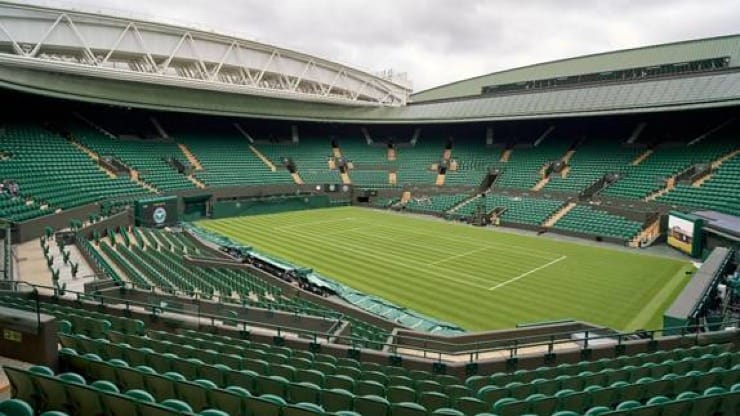
For 2026, Wimbledon introduced video review technology on six major courts.
This allows players to challenge certain umpire decisions, including possible double bounces, touches and similar judgement calls.
The key distinction is that line-calling decisions remain automated and final. Technology determines objective facts, while human umpires continue making subjective judgements. It is effectively tennis's version of a hybrid VAR model.
Camera Technology: How Wimbledon Is Filmed
Modern Wimbledon broadcasting uses a huge range of camera systems.
These include:
- Main match cameras
- Robotic cameras
- Wireless RF cameras
- UHD cameras
- Super slow-motion systems
- Hawk-Eye tracking cameras
- Specialist replay cameras
Each serves a specific purpose.
The main match cameras provide tactical views. Handheld units capture atmosphere and emotion. Robotic systems reach angles inaccessible to human operators.
Super slow-motion cameras are particularly impressive. Recording at extremely high frame rates, they can reveal details that are difficult or impossible to observe during live play, including ball deformation, string movement and microscopic changes in player technique.
The result is a broadcast combining sport, science and storytelling.
Audio Engineering: Creating the Sound of Wimbledon
Many viewers underestimate the complexity of audio production.
Sound engineers balance dozens of sources simultaneously, including:
- Umpire microphones
- Court microphones
- Crowd microphones
- Commentary positions
- Presentation areas
- Interview zones
The famous sound of Wimbledon—the crack of the ball, the murmur of the crowd and the tension before a serve—is carefully engineered rather than naturally occurring.
Audio teams play a major role in shaping the viewing experience by balancing crowd ambience, court sound and commentary feeds.
Data Analytics: The New Language of Tennis
The modern Wimbledon broadcast relies increasingly on data science.
Analysts track:
- Serve speeds
- First-service percentages
- Rally length
- Court positioning
- Return locations
- Shot direction
- Conversion rates
This information supports analysis segments and provides additional context for presenters, commentators and viewers. Jamie Murray's appointment reflects this broader trend toward data-driven storytelling.
The Hidden Network Engineers Running a Temporary Media City
Perhaps the least appreciated professionals at Wimbledon are the network engineers.
For two weeks, the All England Club becomes a temporary media city.
Huge volumes of video, audio, statistical and digital information travel through fibre-optic networks connecting courts, galleries, production centres, digital teams and international broadcasters.
These engineers manage:
- Video transport
- Broadcast server infrastructure
- Fibre networks
- Communications systems
- Backup networks
- Cybersecurity
Their work forms a critical part of the infrastructure that enables live television, streaming, audio and digital coverage.
Artificial Intelligence at Wimbledon
The biggest long-term story may be AI.
While generative AI receives headlines, Wimbledon's real transformation comes through machine vision, automated tracking and intelligent content workflows. Electronic line calling already relies on technology capable of analysing complex movement and making real-time decisions faster than any human official.
Across the wider sports broadcasting industry, AI-assisted tools are increasingly used for content tagging, archive search, metadata management and highlight identification, although the specific systems used by Wimbledon and its broadcast partners are not always publicly disclosed.
Thousands of hours of video are generated during a major tournament. Across the broadcasting industry, AI-assisted tools can help production teams locate key moments quickly and support content distribution across television, streaming and digital platforms.
Software engineering and data expertise are becoming increasingly important within elite sports production environments.
The Broadcast Operation Behind Wimbledon
Most articles focus on who is talking.
One of the less visible aspects of Wimbledon is the scale of the operation required to produce and distribute coverage worldwide.
Behind every Tim Henman insight, John McEnroe verdict, Clare Balding interview and Hawk-Eye decision lies a vast workforce of directors, producers, replay operators, engineers, statisticians, software developers, networking specialists and technical experts.
Modern Wimbledon is no longer simply a tennis tournament being televised.
It is one of the world's most sophisticated temporary sports broadcasting operations, combining television production, engineering, officiating technology, digital publishing and data-driven analysis across a global sporting event.
And that may be the most fascinating story at SW19.
Where to Watch Wimbledon 2026

Wimbledon 2026 is available across the BBC's television, radio and digital platforms, giving viewers more ways than ever to follow the Championships.
Live coverage is broadcast on BBC One and BBC Two, while every court and match stream is available through BBC iPlayer, allowing fans to switch between courts and watch specific players throughout the tournament.
The BBC Sport website and BBC Sport app provide live scores, match reports, highlights, analysis, statistics and video clips, while BBC Radio 5 Live and BBC Sounds offer comprehensive radio commentary and discussion
Wimbledon 2026 FAQs
1.Who are the BBC presenters at Wimbledon 2026?
The BBC's lead presentation team includes Clare Balding, Isa Guha and Andy Stevenson, who guide viewers through daily coverage, interviews and analysis from the All England Club.
2.Who are the main Wimbledon pundits?
The BBC's analyst team includes John McEnroe, Martina Navratilova, Billie Jean King, Tim Henman, Annabel Croft, Pat Cash, Tracy Austin, Kyle Edmund, Andre Agassi, Jamie Murray, Laura Robson and Eugenie Bouchard.
3.Who are the commentators?
Commentators include Andrew Castle, Andrew Cotter, Robbie Koenig, Naomi Cavaday, Nick Lester, Nick Mullins, Chris Bradnam, James Burridge, Katherine Downes, Pete Odgers, Simon Reed and others across the BBC's television and radio platforms.
4.How many people work behind the scenes at Wimbledon?
While exact numbers vary, Wimbledon coverage involves hundreds of specialists including producers, directors, camera operators, replay technicians, graphics teams, statisticians, network engineers, audio technicians, digital journalists, social media teams, Hawk-Eye operators and broadcast support staff. Modern Wimbledon is effectively a temporary media city operating for two weeks each summer.
5.Does Wimbledon use VAR?
Not exactly. Wimbledon now uses video review technology on six major courts for selected umpire decisions, while line-calling decisions are handled separately by the Hawk-Eye electronic line-calling system.
6.How does Hawk-Eye work at Wimbledon?
Hawk-Eye uses a network of tracking cameras, commonly reported as up to 18 cameras per court, to track the ball's movement and determine whether it lands in or out.
7.Has Hawk-Eye replaced line judges?
Yes. Wimbledon replaced traditional line judges with live electronic line calling in 2025, ending a tradition that had existed for more than 147 years.
8.What cameras are used at Wimbledon?
Wimbledon broadcasts use a mixture of main broadcast cameras, super slow-motion cameras, wireless RF cameras, robotic remote-controlled cameras, Hawk-Eye tracking cameras, replay cameras and handheld presentation cameras. Some cameras record at extremely high frame rates to produce detailed slow-motion footage of ball contact, player movement and reactions.
9.What is an EVS operator?
An EVS operator controls the replay systems used in live sports broadcasting. They record and instantly retrieve footage from multiple camera angles, allowing viewers to see replays within seconds of an important point. EVS operators are among the most skilled technical staff in sports television.
10.What does a Wimbledon producer do?
The producer oversees the editorial content of the broadcast, decides which stories to cover, coordinates presenters and pundits, arranges interviews and helps manage live coverage throughout the tournament.
11.What does a Wimbledon director do?
The director chooses which camera angles appear on screen, when replays are shown and how the visual story of the match is presented. Every camera cut a viewer sees is usually the result of a director's decision.
12.Is artificial intelligence used at Wimbledon?
Yes. While much attention focuses on Hawk-Eye's automated line-calling system, broadcasters increasingly use AI-assisted tools for content tagging, archive searches, highlight identification, metadata management and digital publishing workflows. Technology is playing an increasingly important role in how Wimbledon is produced and distributed.
13.What are some of the most important unseen roles at Wimbledon?
Network engineers, replay operators, directors, producers and audio teams all play critical roles in delivering coverage to audiences around the world.
14.How much data does Wimbledon generate?
Modern Wimbledon broadcasts generate enormous amounts of video, audio and statistical data. Multiple courts are filmed simultaneously using dozens of broadcast and tracking cameras, while digital teams produce highlights, social media clips, live blogs, statistics and on-demand content for audiences around the world. This data is transported across extensive fibre-optic networks and broadcast infrastructure throughout the Championships.
15.Who owns and operates Hawk-Eye?
Hawk-Eye Innovations, a Sony-owned company, provides the ball-tracking technology used at Wimbledon. During the Championships, specialist technicians and engineers calibrate, monitor and support the system to help ensure accuracy and reliability.
16.Why did Wimbledon remove line judges?
Wimbledon introduced live electronic line calling to improve consistency and accuracy. Organisers concluded that modern tracking systems offer greater precision than the human eye, particularly during fast-paced rallies where decisions may need to be made in fractions of a second.
17.Can players challenge Hawk-Eye decisions?
No. Under the current system, line-calling decisions made by electronic line calling are final. However, players can request video reviews for certain umpire judgement calls under the new review system introduced in 2026.
18.Why is Wimbledon considered one of the world's best sports broadcasts?
Wimbledon combines world-class presenters, former champions, experienced commentators, cutting-edge technology, extensive digital coverage and highly skilled production teams. The scale, quality and technical sophistication of the BBC's coverage are widely regarded as among the finest examples of live sports broadcasting anywhere in the world.
Image Credits & Viewing Information: Images relating to BBC Wimbledon coverage, presenters, commentators, pundits and studio broadcasts are credited to © BBC Sport / BBC Pictures
Sources: BBC Sport's 2026 Wimbledon presenter, commentator and pundit announcements; reporting from The Independent, Tennis365 and TV Zone UK on the BBC's Wimbledon team, including Clare Balding, Isa Guha, John McEnroe, Tim Henman, Andre Agassi, Jamie Murray, Laura Robson, Eugenie Bouchard and Andrew Castle. Technical information regarding Wimbledon electronic line calling, Hawk-Eye Live, 18-camera court tracking, automated officiating, video review systems and tournament technology from reporting on Wimbledon officiating and Hawk-Eye systems. Additional reporting and technology coverage from Wimbledon.com, the All England Club and Broadcast Sport/SVG Europe.
Enjoyed the article? - SoaplandTV is your passport to the drama.
Explore our dedicated sports page for latest news and articles.