Why Was Homosexuality Classed as Delinquency in South Korea’s Youth Guide?
South Korea promises to correct a youth counselling manual that classified homosexuality as delinquency following criticism from LGBTQ+ organisations.

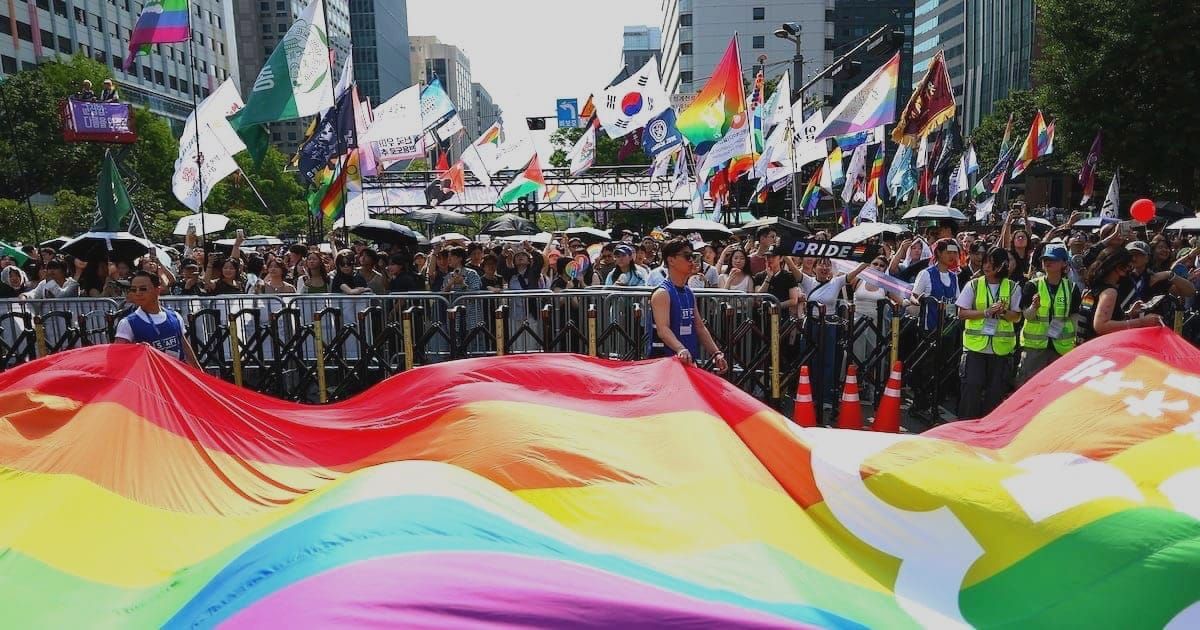
South Korea’s government has expressed regret after an official youth counselling manual classified homosexuality alongside sexual violence, theft and drug-related offences, prompting criticism from LGBTQ+ organisations.
The controversial classification appeared in guidance produced by the Korea Youth Counselling and Welfare Institute, a government-affiliated organisation responsible for supporting vulnerable young people.
The wording was included in a December 2019 edition and remained unchanged in a revised manual published in December 2025, raising questions about how it went unnoticed for almost seven years.
The manual is used by specialist counsellors who visit vulnerable teenagers at home or school, offering support and connecting them with education, healthcare, accommodation and welfare services.
The controversy emerged on 2 November, with more than 100 civil society organisations subsequently demanding the removal of the classification.
The institute acknowledged the mistake, explaining that the wording had been carried over from older reference materials during the preparation of the guidance.
South Korea’s Ministry of Gender Equality and Family responded on 4 November, expressing regret for the distress caused to LGBTQ+ young people and confirming that the classification would be corrected.
The ministry also promised a wider review involving counselling professionals and additional human rights training for those supporting vulnerable teenagers.
The announcement follows separate improvements to youth shelter guidance introduced in August 2026.
Those earlier reforms explicitly prohibit shelters from refusing accommodation or treating young people unfairly because of their sexual orientation or gender identity.
Staff must also document reasons for restricting admission or requiring someone to leave, while considering counselling, mediation and alternative support before removing vulnerable residents.
The controversy comes as South Korea continues to face questions over LGBTQ+ equality. Although same-sex marriage remains legally unrecognised, a landmark Supreme Court ruling in July 2024 granted same-sex partners access to spousal benefits under the national health insurance system.
For LGBTQ+ campaigners, correcting the counselling manual is an important acknowledgement that sexual orientation should never be treated as misconduct.
The government’s next challenge will be ensuring updated guidance reaches frontline counsellors and that its commitments translate into fair, supportive treatment for young people seeking help.