Why Older LGBTQ+ Characters Are Finally Leading Primetime TV Again
From Suki and Eve to Carla and Lisa, older LGBTQ+ love stories are giving television audiences compelling romances with emotional depth.

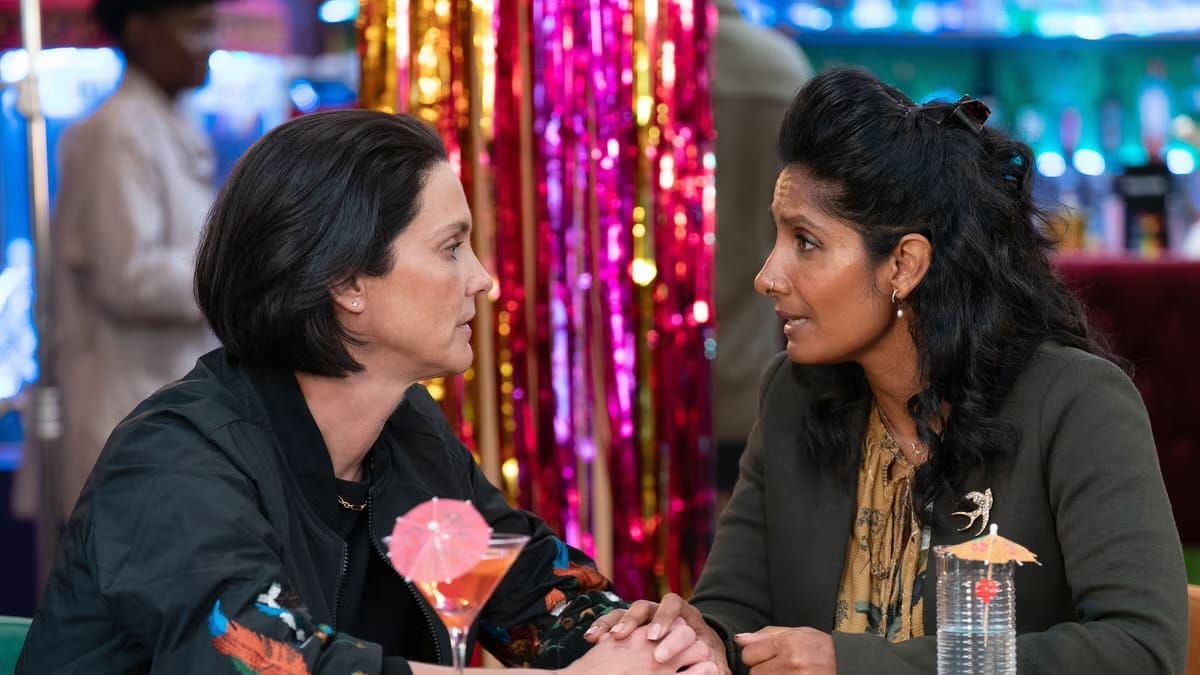
For decades, television gave LGBTQ+ characters limited room to grow older. Coming out stories brought important visibility, but there was often less interest in what followed: building relationships, navigating family life or finding love after years of putting other people first. Queer characters in middle age and beyond were too rarely given romances audiences could follow and invest in.
EastEnders’ Suki and Eve show why those stories deserve space. Their relationship offers the anticipation and emotional intensity of a great soap romance, while exploring experiences that extend beyond first love. Years of secrecy, family expectations and difficult choices give their connection weight, making the possibility of a shared future feel hard won rather than inevitable.
For Suki, loving Eve involves more than acknowledging an attraction. It means confronting the distance between the life expected of her and the life she wants, with consequences reaching into her family relationships and sense of self. That tension gives the story its emotional force, particularly for viewers who recognise the experience of keeping part of themselves hidden.
Eve matters as a character in her own right, bringing a history, loyalties and emotional needs into their relationship. The appeal comes from watching two distinct women build something together, with tenderness and commitment carrying as much importance as conflict. Their story makes room for the hope that happiness remains possible even after years of difficult compromises.
Coronation Street’s Carla and Lisa provide another example, although their relationship draws on different experiences. Carla arrives with almost two decades of history familiar to viewers, while Lisa brings her own responsibilities, grief and family connections. Audiences are watching established characters find their way towards each other, with everything they have already lived through shaping that process.
These differences matter because queer love in middle age is not one experience. Someone acknowledging long hidden feelings faces different questions from someone building a relationship after bereavement or previous heartbreak. Television becomes more engaging when it explores those individual circumstances, allowing sexuality to matter without making it the only thing that defines a character.
Online fandom offers a visible expression of the affection these relationships inspire. Fan edits, discussion pages and shared reactions turn small exchanges into moments viewers revisit and celebrate. Couples such as Suki and Eve and Carla and Lisa challenge the assumption that passionate fandom needs young characters at its centre, even without telling us the ages of everyone watching.
Soaps are particularly suited to building that attachment because they give relationships time. A romance can develop alongside work, friendships, parenting and ordinary domestic routines, allowing audiences to understand how two people fit into each other’s lives. Familiarity gives a quiet conversation or affectionate gesture meaning that a dramatic declaration alone cannot always achieve.
Other television formats offer space for these experiences too. Fellow Travelers follows queer relationships across decades, exploring how intimacy is shaped by time and social pressure. Alongside continuing soap stories, it demonstrates the possibilities available when LGBTQ+ characters are given lives that stretch beyond youth, with past decisions continuing to influence the people they become.
For older LGBTQ+ viewers, that attention can feel especially meaningful after growing up with limited or negative representations of queer relationships. Younger viewers can recognise the same longing, vulnerability and desire for belonging without sharing the characters’ ages.
There is no need to make these romances flawless to make them matter. Giving Suki and Eve, Carla and Lisa and other couples substantial stories acknowledges something television should always have understood: love remains worth watching at every age.