Were Lizzie Borden and Bridget Sullivan really lovers? Netflix’s Monster leaves out a crucial truth
Were Lizzie Borden and Bridget Sullivan really lovers? The history behind Netflix Monster’s lesbian storyline is very different from what viewers see.

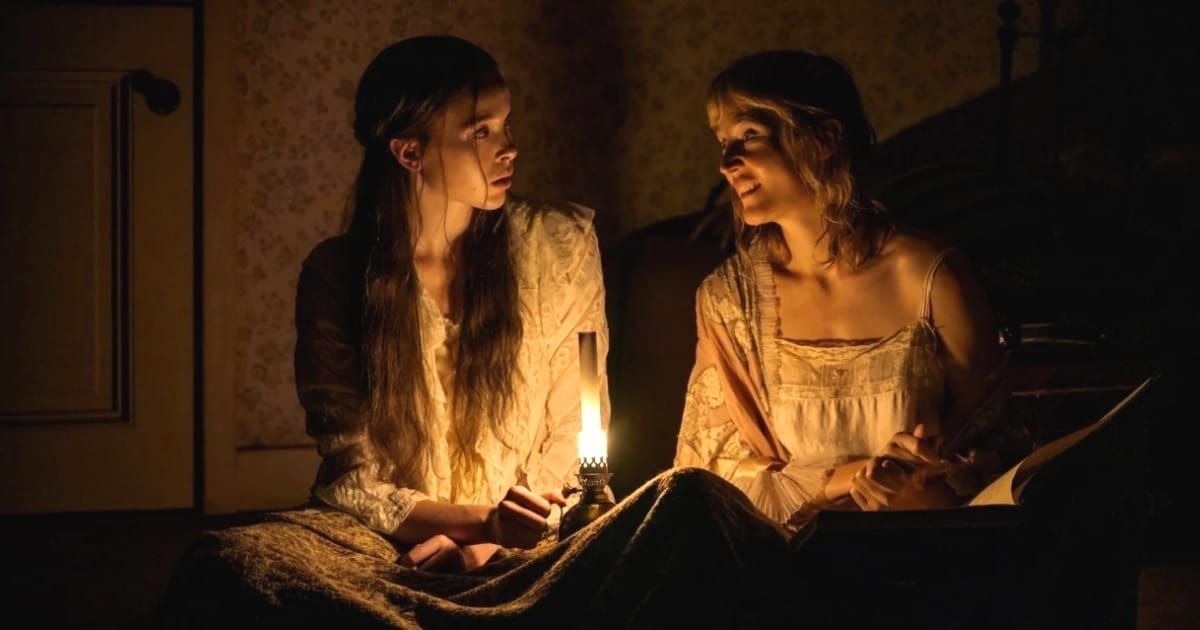
Monster: The Lizzie Borden Story portrays Lizzie Borden and the family’s maid Bridget Sullivan as lovers, making their attraction and intimacy a major part of the new Netflix series.
But viewers discovering the infamous Borden case through Monster may be surprised by one crucial detail: there is no established historical evidence proving that the real Lizzie and Bridget were ever romantically or sexually involved.
Netflix has taken a theory that has circulated through fiction for decades and turned it into an important part of its version of Lizzie’s life.
Were Lizzie Borden and Bridget Sullivan really lovers?
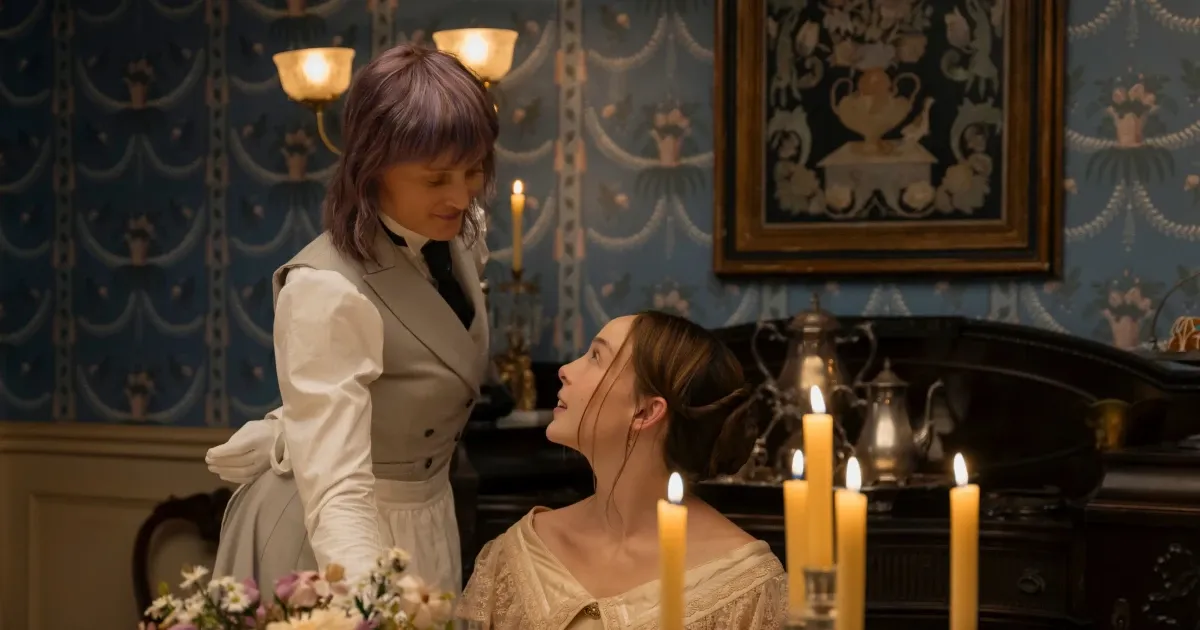
There is no surviving evidence that confirms it. Bridget Sullivan was a real person and an important figure in the Borden murder case, but historians have not established that she and Lizzie were lovers.
That does not prove Lizzie was not attracted to women or could not have had relationships with women. Her private life remains the subject of considerable speculation more than 130 years later.
What it does mean is that the specific Lizzie and Bridget romance viewers see in Monster should not be treated as established historical fact.
So Bridget Sullivan was a real person?
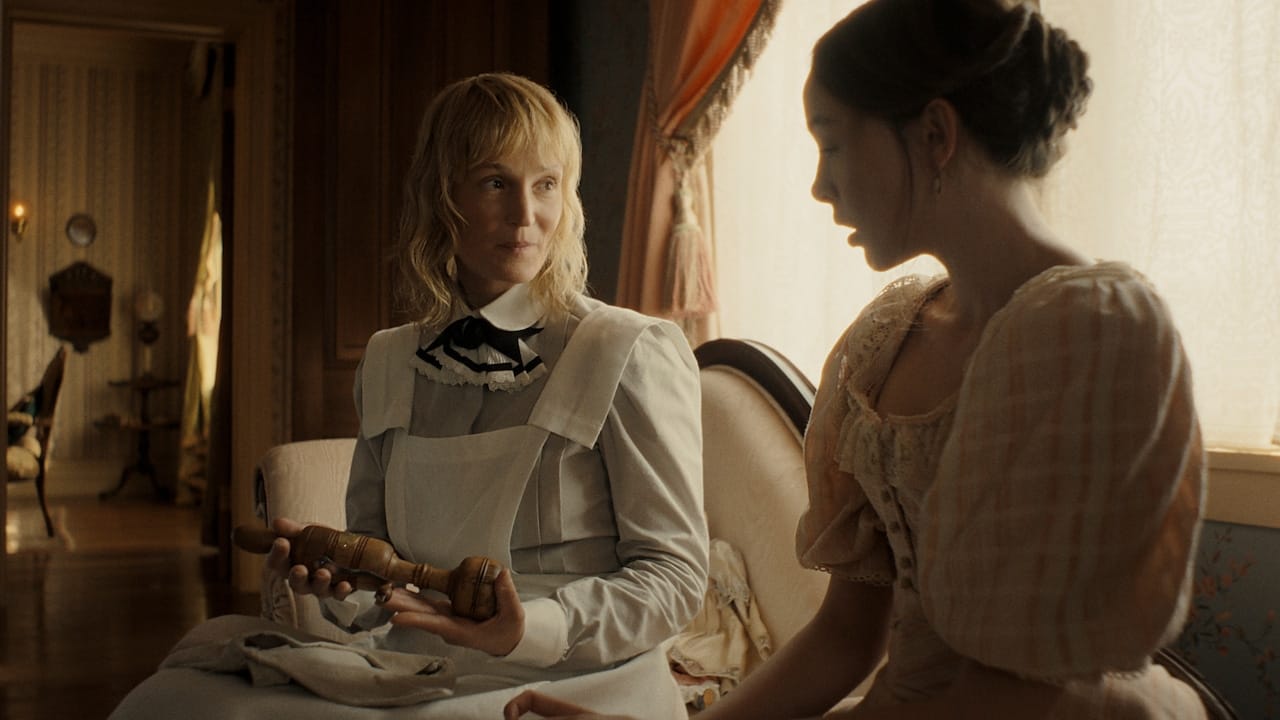
Yes. Bridget was an Irish immigrant who worked as a live-in maid for Andrew and Abby Borden at their home in Fall River, Massachusetts.
At Lizzie’s trial, Bridget testified that she had worked for the family for two years and nine months by the time Andrew and Abby were murdered on 4 August 1892.
Crucially, Bridget was at the Borden house around the time of the killings. She later became an important witness at Lizzie’s trial, giving evidence about what she had seen and heard inside the house that morning.
Lizzie was ultimately acquitted of murdering her father and stepmother in 1893. Nobody else was convicted of the killings.
There is also no established historical evidence that Bridget helped Lizzie commit the murders, despite the much more dramatic direction taken by Monster.
Where did the Lizzie and Bridget love story come from?
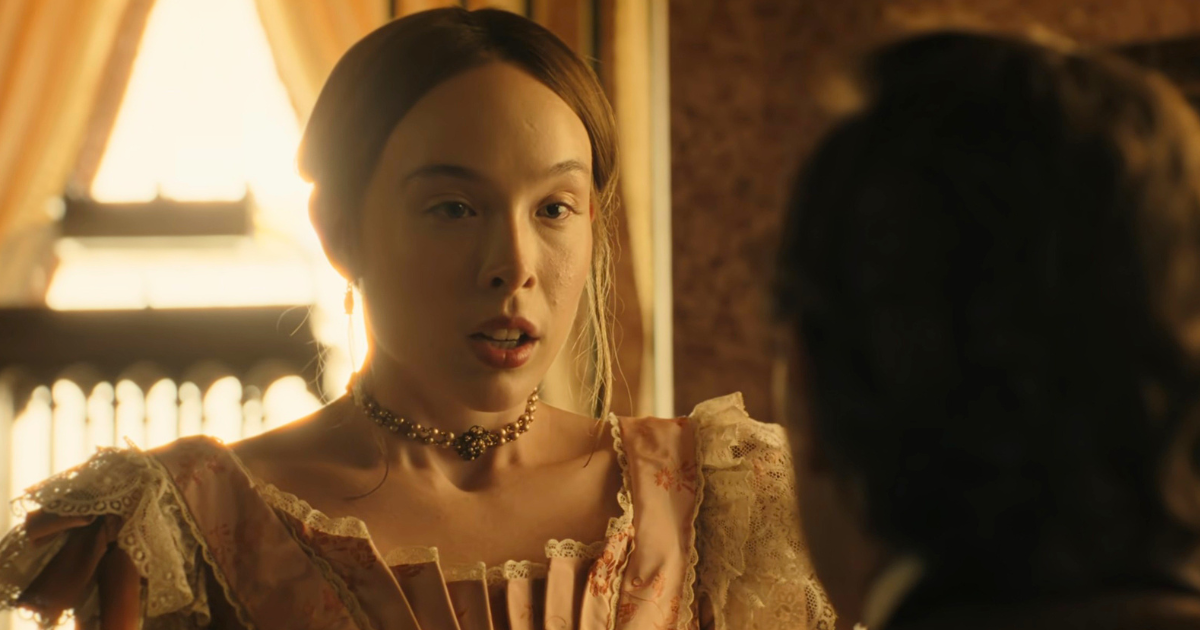
Questions surrounding Lizzie’s sexuality existed long before the Netflix series.
However, another woman frequently appears in discussions about her private life: actress Nance O’Neil.
Lizzie met Nance around 1904, more than a decade after the murders and her acquittal. Their close friendship attracted gossip and has subsequently fuelled theories that their relationship may have been romantic.
Even that relationship cannot be conclusively established as sexual from the surviving evidence. The specific idea of Lizzie and Bridget as lovers was strengthened considerably by later fiction.
Evan Hunter’s 1984 novel Lizzie imagined a sexual relationship between the two women, helping the theory become part of the wider mythology surrounding the Borden case.
What has Ella Beatty said about Lizzie and Bridget?
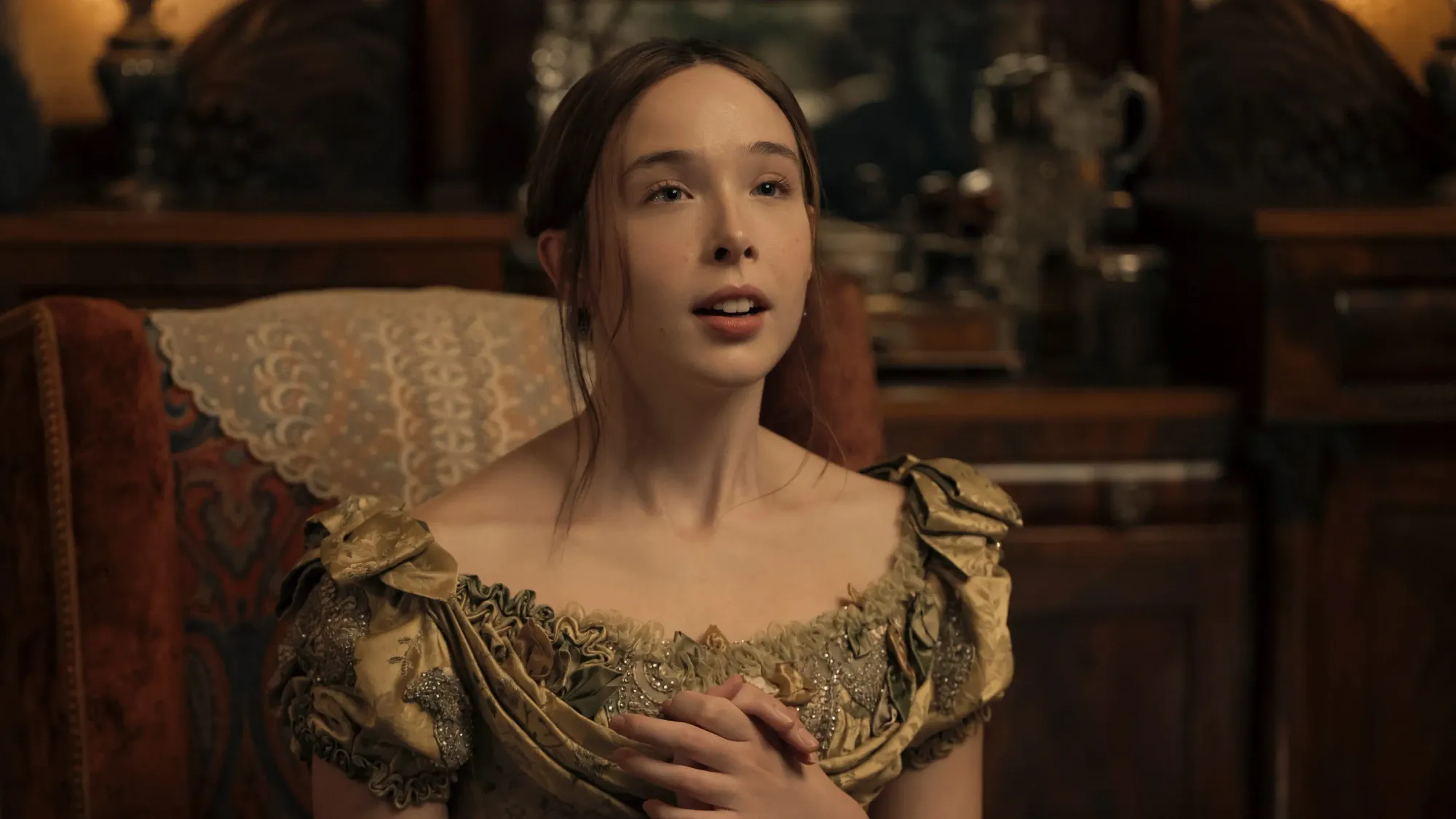
Ella Beatty, who plays Lizzie in Monster, has spoken about the relationship and her own interpretation of the two women.
In Netflix’s post-release discussion of the series, Beatty suggested she believes there could have been a romantic connection between them and referenced the idea of a “Boston marriage”, a historical term associated with two women living together independently of men.
That is Beatty’s interpretation of Lizzie rather than new evidence about the real women. It does, however, help explain the character viewers see on screen. Monster uses Bridget as someone through whom Lizzie can imagine intimacy, freedom and an existence beyond the restrictive life depicted inside the Borden household.
The series therefore does not merely hint that Lizzie might be attracted to women. It makes her feelings for Bridget an important part of its fictionalised version of her emotional life.
Was Lizzie Borden a lesbian?
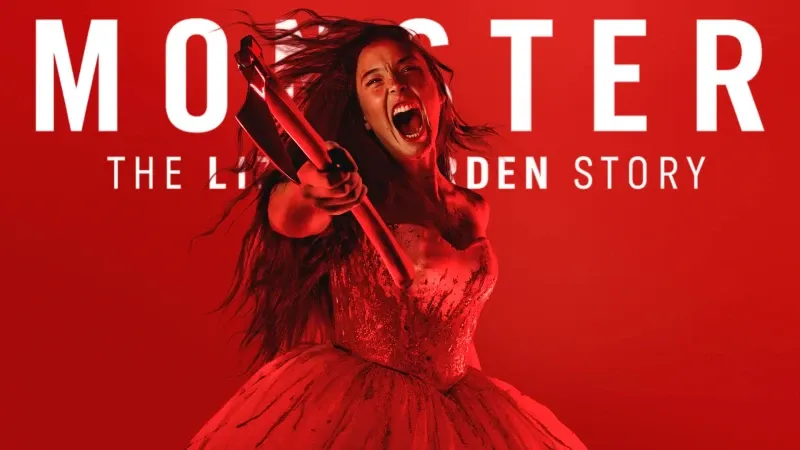
There is no reliable way to give Lizzie a definitive modern sexual identity from the surviving historical record.
Her relationship with Nance O’Neil has generated speculation, while fiction has repeatedly explored the possibility that Lizzie was attracted to women.
That is very different from having historical evidence that allows us to state confidently that she was a lesbian or that Bridget Sullivan was her lover.
Monster chooses one interpretation and commits to it. That makes Lizzie and Bridget’s relationship significant within the Netflix series, but it does not solve a historical mystery that remains unanswered more than 130 years later.
The simplest distinction is also the most important: Netflix gives Lizzie and Bridget a love story. History does not tell us whether they actually had one.
Monster: The Lizzie Borden Story is streaming now on Netflix UK.