Wentworth Remains One Of Television’s Most Powerful LGBTQ+ Dramas
Few television dramas have left a lasting impression quite like Wentworth.


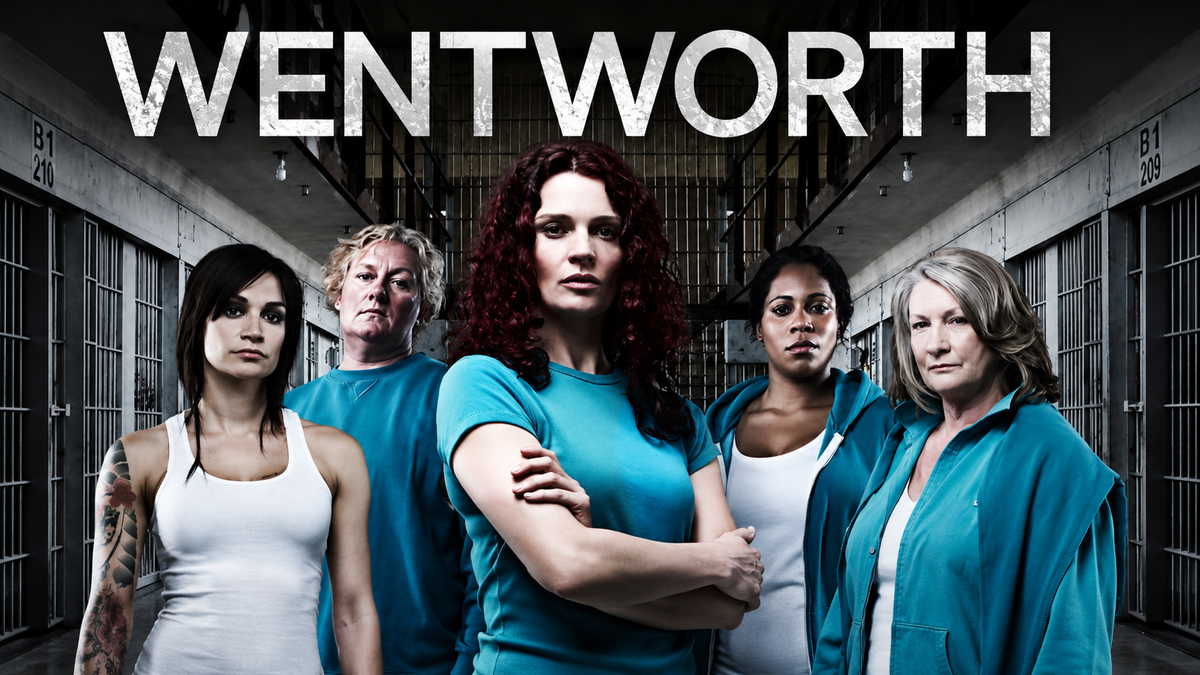
The Australian prison series first premiered in 2013 and quickly became one of the country’s most successful television exports. Across 100 episodes, Wentworth built a global audience through its intense storytelling, complex female characters and fearless approach to relationships, power, trauma and survival.
For many LGBTQ+ viewers, it became far more than a prison drama. Wentworth delivered some of the most talked about queer characters and relationships on television, including Franky Doyle, Bridget Westfall, Bea Smith and Allie Novak.
Years after the final episode aired, the series continues to attract new viewers and remains one of the most important LGBTQ+ dramas of the past decade.
What Is Wentworth About?
Wentworth is a modern reimagining of the classic Australian series Prisoner, which originally aired between 1979 and 1986.
The story begins with Bea Smith, played by Danielle Cormack, arriving at Wentworth Correctional Centre while awaiting trial for the attempted murder of her husband.
At first, Bea is overwhelmed by prison life. She is frightened, vulnerable and unsure how to survive. Over time, she becomes one of the most powerful figures inside Wentworth, rising through the prison hierarchy and becoming central to many of the show’s biggest storylines.
The series follows both the inmates and the prison staff, exploring shifting alliances, personal rivalries, corruption, grief, loyalty and violence.
Unlike many prison dramas, Wentworth was never just about crime. It was about power and survival. It asked how people change under pressure, what they are willing to do to protect themselves and whether redemption is ever truly possible.
Main Cast And Characters
Wentworth’s strength came from its remarkable ensemble cast.
Danielle Cormack led the early seasons as Bea Smith, whose transformation became one of the defining arcs of the series.
Nicole da Silva played Franky Doyle, one of the show’s most iconic characters. Franky was sharp, dangerous, charismatic and deeply vulnerable beneath her tough exterior.
Kate Atkinson appeared as Vera Bennett, a prison officer whose journey from nervous deputy governor to powerful governor became one of the show’s most compelling long term storylines.
Pamela Rabe delivered an unforgettable performance as Joan Ferguson, also known as The Freak. Her portrayal created one of the most chilling villains in modern television drama.
Katrina Milosevic played Sue “Boomer” Jenkins, a character who began as comic relief but developed into one of the emotional hearts of the series.
Other major cast members included Celia Ireland as Liz Birdsworth, Robbie Magasiva as Will Jackson, Shareena Clanton as Doreen Anderson, Kate Jenkinson as Allie Novak, Libby Tanner as Bridget Westfall, Leah Purcell as Rita Connors and Susie Porter as Marie Winter.
Together, the cast helped Wentworth become a character driven drama where almost every major figure had depth, flaws and emotional weight.
LGBTQ+ Representation
Wentworth became especially important to LGBTQ+ audiences because queer women were not pushed into the background.
Franky Doyle was one of the show’s earliest and most significant LGBTQ+ characters. Her sexuality was part of who she was, but the writing also allowed her to be complex, angry, funny, reckless and deeply human.
Her relationship with prison psychologist Bridget Westfall became one of the show’s most loved storylines. Known by many viewers as Fridget, the relationship offered tenderness in a series often defined by brutality.
Later, the relationship between Bea Smith and Allie Novak became another major turning point. Their connection, often referred to by viewers as Ballie, gave the series one of its most emotional storylines.
What made Wentworth stand out was that it did not present LGBTQ+ characters as side characters added for token representation. Queer women shaped the emotional core of the show.
Their relationships had real narrative weight. Their choices affected the wider story. Their love stories were treated with the same seriousness and intensity as every other major plot.
The series also explored identity, attraction and intimacy within an environment where trust was always dangerous. That made its LGBTQ+ storylines feel heightened, but rarely disposable.
Filming Locations
Wentworth was filmed in Victoria, Australia.
The early seasons were shot on a purpose built prison set in Clayton, a suburb of Melbourne. The set was created to give the series its claustrophobic and highly controlled prison environment.
Later production moved to another purpose built set in Newport, also in Victoria.
The use of constructed prison sets helped the show maintain its distinctive visual style. The corridors, cells, exercise yards, visiting rooms and staff areas all became instantly recognisable to regular viewers.
Unlike location heavy dramas such as Deadloch, Wentworth’s world was intentionally enclosed. That sense of confinement was central to the show’s atmosphere.
The prison itself became one of the most important characters in the series.
Seasons, Episodes And Release History
Wentworth premiered in Australia on 1 May 2013.
The series ran until 2021, ending after 100 episodes.
Although often described internationally as having nine seasons, the final run was originally produced as an extended eighth season split into two parts in Australia. In the UK and elsewhere, it is commonly listed across nine seasons.
As a simple viewer guide:
Seasons: 9 in many UK listings
Episodes: 100
Original run: 2013 to 2021
Country of origin: Australia
Original broadcaster: SoHo, later Fox Showcase
UK title: Wentworth Prison
The show was broadcast in many countries and became one of Australia’s most successful television exports.
Awards, Ratings And Reviews
Wentworth received major recognition throughout its run.
The series won and was nominated for numerous awards, including honours at the Logie Awards, AACTA Awards and ASTRA Awards.
Pamela Rabe, Danielle Cormack, Nicole da Silva, Celia Ireland and the wider cast received particular recognition across the show’s awards history.
Critics praised Wentworth for its performances, production values and willingness to tell darker, more adult stories than many mainstream dramas.
The series was also frequently praised for its female led cast. At a time when many major crime dramas were still dominated by male characters, Wentworth placed women at the centre of every major storyline.
Its influence can still be felt in later female led dramas and LGBTQ+ television, including shows such as Deadloch, which also places queer women and complex female characters at the heart of the story.
IMDb Score And Audience Reception
Wentworth has an IMDb rating of approximately 8.6 out of 10, making it one of the highest rated Australian television dramas of the modern era.
That score reflects the show’s unusually strong audience loyalty.
Viewers regularly praise the performances, emotional intensity, character development and shocking plot twists. The series also remains heavily discussed online, particularly among LGBTQ+ audiences who continue to celebrate Franky and Bridget, Bea and Allie, and the wider impact of the show.
The strength of Wentworth’s audience response is one of the reasons it continues to find new viewers years after its finale.
For many people, it is the kind of series that stays with them long after they finish watching.
Where Can UK Viewers Watch Wentworth?
UK viewers have several options for watching Wentworth.
The series has been available through Prime Video, Amazon Prime Video with ads, Sky Go and Channel 5’s streaming service, which is now branded as 5.
Availability can change depending on licensing agreements, so viewers should always check their current streaming apps before starting the series.
The show has also been released on DVD in the UK, which remains an option for viewers who prefer physical media or want to own the full series.
Because streaming rights can move between platforms, it is worth searching under both Wentworth and Wentworth Prison.
Why Wentworth Matters Today
Wentworth still matters because it proved that female led drama could be brutal, intelligent, emotionally complex and internationally successful.
It gave viewers women who were not written to be polite or perfect. They were damaged, dangerous, loyal, funny, loving and ruthless.
For LGBTQ+ viewers, the show offered relationships that felt central rather than secondary. Franky and Bridget became one of the most beloved queer pairings in modern drama. Bea and Allie gave the series an emotional love story that still has a devoted following.
The show also helped change the way viewers talked about Australian television. Alongside series such as Home and Away, Neighbours and later Deadloch, Wentworth showed that Australian productions could build passionate global audiences.
Its legacy is not only about awards or ratings. It is about the characters viewers still talk about, the relationships they still revisit and the emotional impact the show continues to have.
SoaplandTV Verdict
Wentworth remains essential viewing for anyone interested in powerful female led drama and LGBTQ+ representation on television.
It is intense, emotional and often difficult to watch, but that is part of why it became so unforgettable.
The performances from Danielle Cormack, Nicole da Silva, Pamela Rabe, Kate Atkinson, Katrina Milosevic and the wider cast helped turn a prison drama into one of the most influential Australian series of the 2010s.
For viewers discovering it now, Wentworth still feels bold, gripping and relevant.
For those who watched it from the beginning, it remains one of the defining LGBTQ+ dramas of modern television.