UK City of Culture 2029 Reveals Four Finalists and Why They’re Worth Visiting
Blackpool, Milton Keynes, Sheffield and Wrexham are finalists for UK City of Culture 2029. Discover their attractions, heritage and future plans.

Blackpool, Milton Keynes, Sheffield and Wrexham have been named as the four finalists competing to become UK City of Culture 2029, putting four very different British destinations in the national spotlight.
Announced on Thursday 22 October, the shortlist brings the promise of £10 million in government funding for the eventual winner, with the three runners-up set to receive £125,000 each to support elements of their cultural plans.
The competition celebrates much more than museums and galleries. It recognises local heritage, entertainment, creative communities and the role culture can play in attracting visitors and supporting regeneration.
Each finalist has its own attractions, character and ambitions, offering travellers four very different experiences. From Blackpool’s traditional seaside entertainment to Wrexham’s growing cultural profile, there are plenty of reasons to explore these destinations before the winner is announced.
Blackpool – Seaside entertainment and a famous resort looking to the future
Blackpool has been one of Britain’s best-known holiday destinations for generations, with its famous seafront, theatres and entertainment venues attracting millions of visitors over the years.
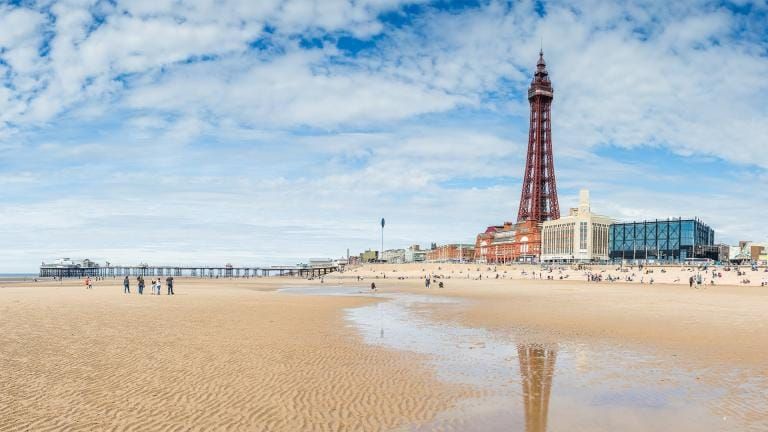
The Lancashire resort’s most recognisable landmark is Blackpool Tower, which opened in 1894. Inside, the magnificent Tower Ballroom continues to welcome dancers from across the country, while the Tower Circus maintains a tradition of family entertainment stretching back more than a century.
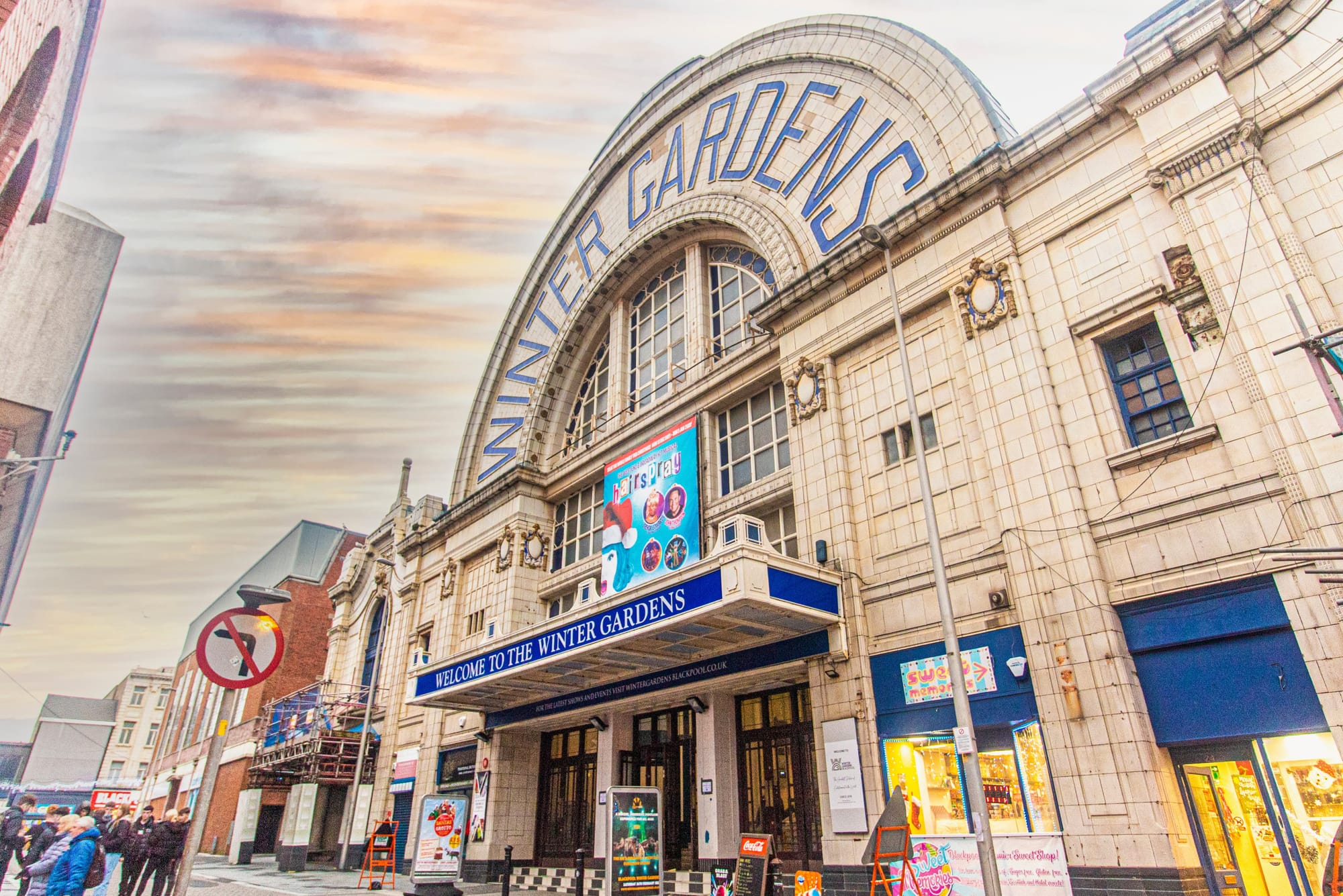
Blackpool’s theatrical heritage is equally impressive. The Grand Theatre, Opera House and Winter Gardens have hosted generations of performers, helping establish the town as an important centre for British popular entertainment.
Visitors interested in that history can explore Showtown, the interactive museum which opened in 2024. Its exhibitions celebrate seaside holidays, circus, comedy, magic, dancing and the famous Blackpool Illuminations.
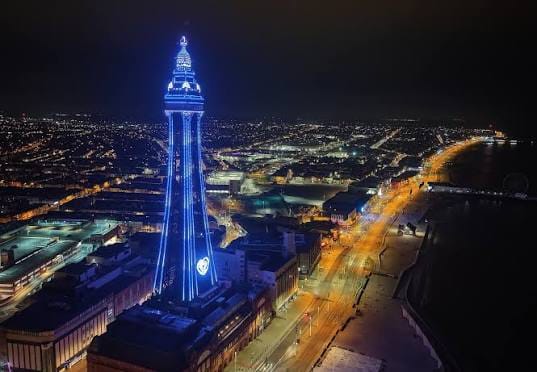
The Illuminations remain one of the resort’s biggest attractions, transforming miles of promenade into a colourful evening experience. Elsewhere, Blackpool’s historic piers, sandy beaches and Pleasure Beach Resort continue to offer the traditional attractions associated with a British seaside holiday.
However, Blackpool has also faced decades of economic decline, with parts of the town centre and surrounding neighbourhoods affected by deprivation, ageing buildings and empty premises. Government figures published in 2025 placed Blackpool as England’s most deprived local authority on key measures. Regeneration projects are bringing investment to the resort, although significant challenges remain.
Its City of Culture campaign has attracted support from almost 30,000 people and aims to celebrate the town’s working-class entertainment heritage while encouraging contemporary creativity, digital innovation and opportunities for younger generations.
For visitors, Blackpool remains particularly appealing for theatre weekends, family entertainment, ballroom dancing and traditional seaside breaks. Its combination of cultural history and familiar attractions gives it a distinctive place in British tourism.
Milton Keynes – Modern creativity, fascinating history and unexpected green spaces
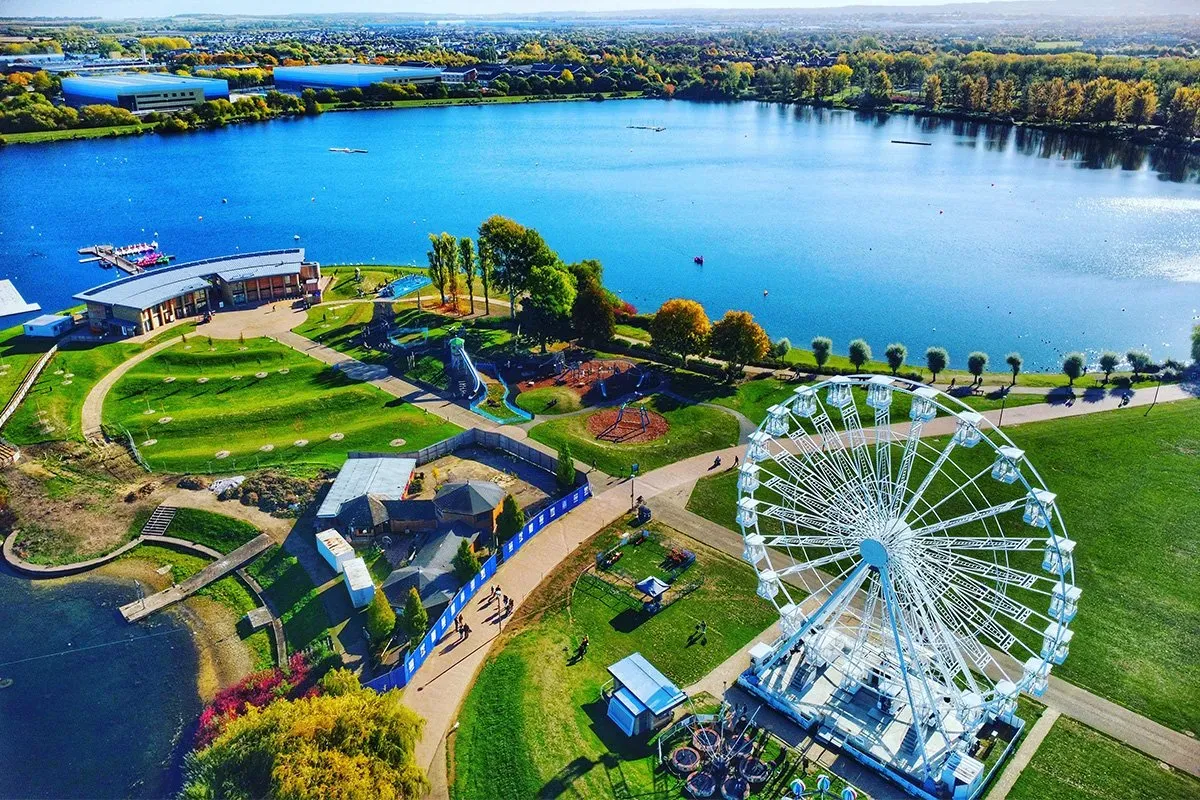
Milton Keynes is taking a different approach to its City of Culture ambitions, highlighting innovation, contemporary arts and the creativity of its communities.
Established as a new town in 1967, the Buckinghamshire destination is known for its modern architecture, extensive road network and carefully planned neighbourhoods. Yet beyond its familiar reputation lies an impressive collection of attractions.
Bletchley Park is perhaps its most historically significant destination. During the Second World War, Alan Turing and thousands of colleagues worked there to decipher enemy communications, helping shape the course of the conflict.
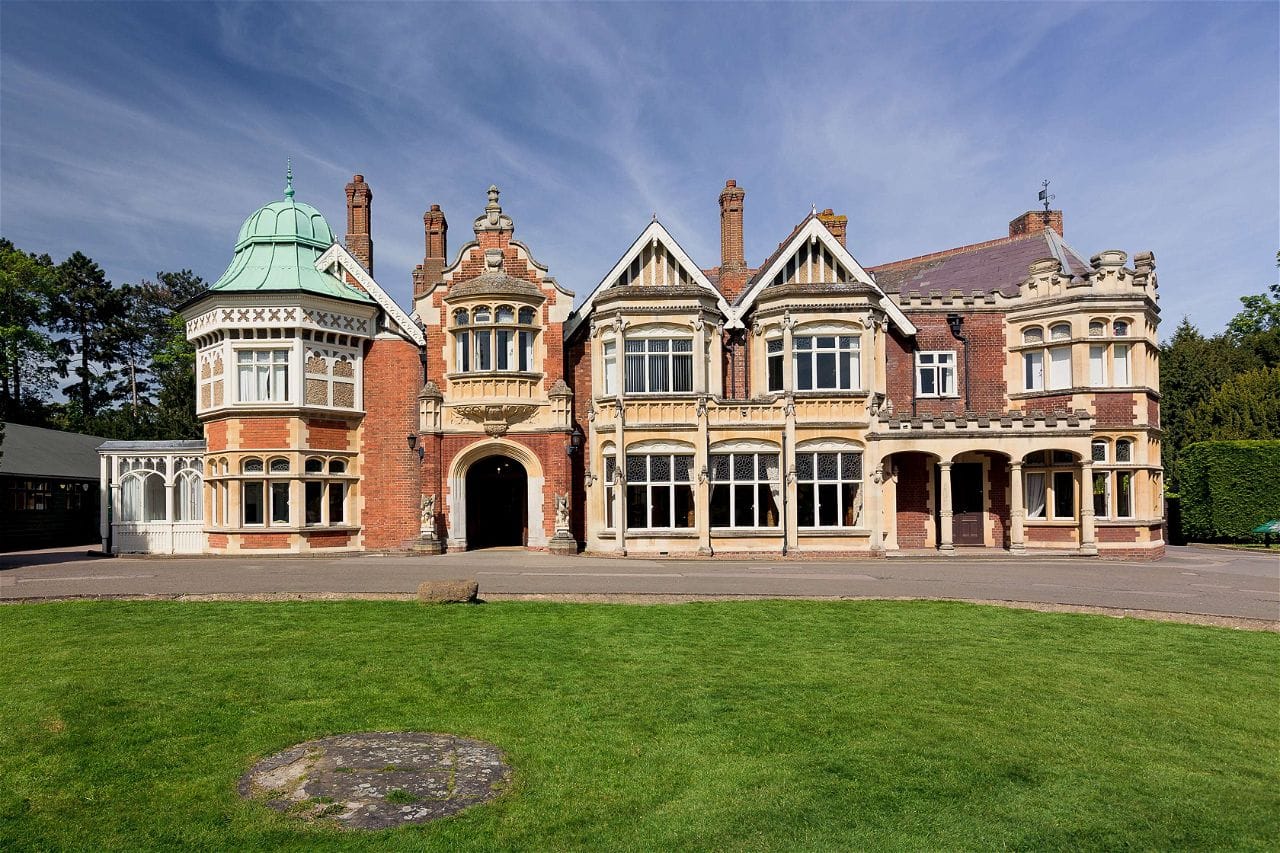
Today, visitors can explore the former codebreaking centre through historic buildings, exhibitions and personal stories about those involved in the secret wartime operation.
Closer to central Milton Keynes, MK Gallery hosts contemporary art exhibitions, film screenings and creative events, while Milton Keynes Theatre welcomes touring musicals, drama, comedy and dance productions.
The city has also developed a reputation for imaginative public events through the biennial IF: Milton Keynes International Festival, which brings performances and installations into parks, streets and other public spaces.
Its extensive green spaces are another attraction. Milton Keynes has numerous parks, lakes, canals and walking and cycling routes, offering visitors opportunities to enjoy the outdoors alongside cultural activities.
Milton Keynes has spent years working to establish a cultural reputation beyond its shopping centres, roundabouts and modern planning. Its attractions are also spread across a large area, meaning visitors may need to plan journeys between locations. The City of Culture bid provides an opportunity to highlight aspects of the destination that are sometimes overlooked.
Its cultural ambitions include projects such as City of Codes and Lights, reflecting the relationship between technology, creativity and community participation. Thousands of residents have contributed ideas through local events and workshops.
For a weekend break, visitors could combine Bletchley Park with an exhibition at MK Gallery, an evening theatre performance and time exploring the city’s parks and surrounding countryside.
Sheffield – Industrial heritage, independent culture and spectacular countryside
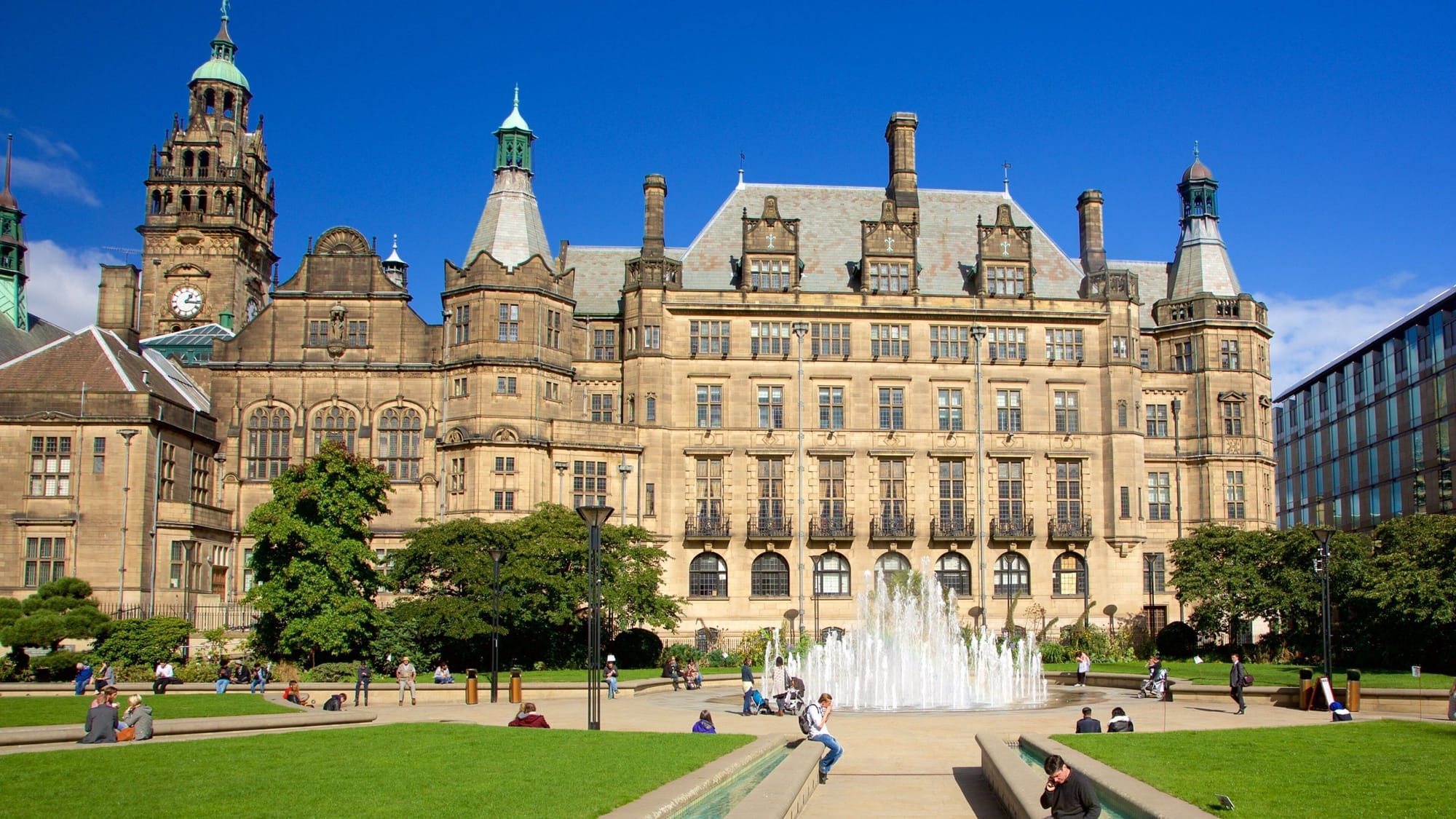
Sheffield has transformed considerably since the days when steelmaking dominated its economy, developing a thriving cultural scene while retaining strong connections to its industrial past.
The South Yorkshire city is particularly interesting for visitors who enjoy exploring former industrial neighbourhoods that have found new purposes.
Kelham Island is one of the best examples. Once dominated by workshops and manufacturing businesses, the area now combines historic buildings with independent cafés, restaurants, shops and creative spaces.
At Kelham Island Museum, visitors can discover how Sheffield’s steelmaking industries developed and why the city’s products became internationally renowned.
In the city centre, the Millennium Gallery celebrates Sheffield’s metalwork heritage alongside contemporary art and design exhibitions.
Nearby, the Winter Garden houses more than 2,500 plants beneath a spectacular glass roof, providing a peaceful space close to the city’s shopping streets and cultural attractions.
Sheffield also has a celebrated theatrical tradition. The Crucible and Lyceum theatres host productions throughout the year, attracting audiences from across the region and beyond.
Its contribution to British popular culture includes internationally recognised music acts such as Pulp, Arctic Monkeys and The Human League, while independent venues and creative organisations continue to support emerging talent.
Sheffield has made considerable progress in regenerating former industrial areas, although improvements have been uneven and some communities continue to experience economic difficulties. The decline of traditional manufacturing left a lasting impact, but the city’s independent businesses and creative neighbourhoods demonstrate how successfully many areas have adapted.
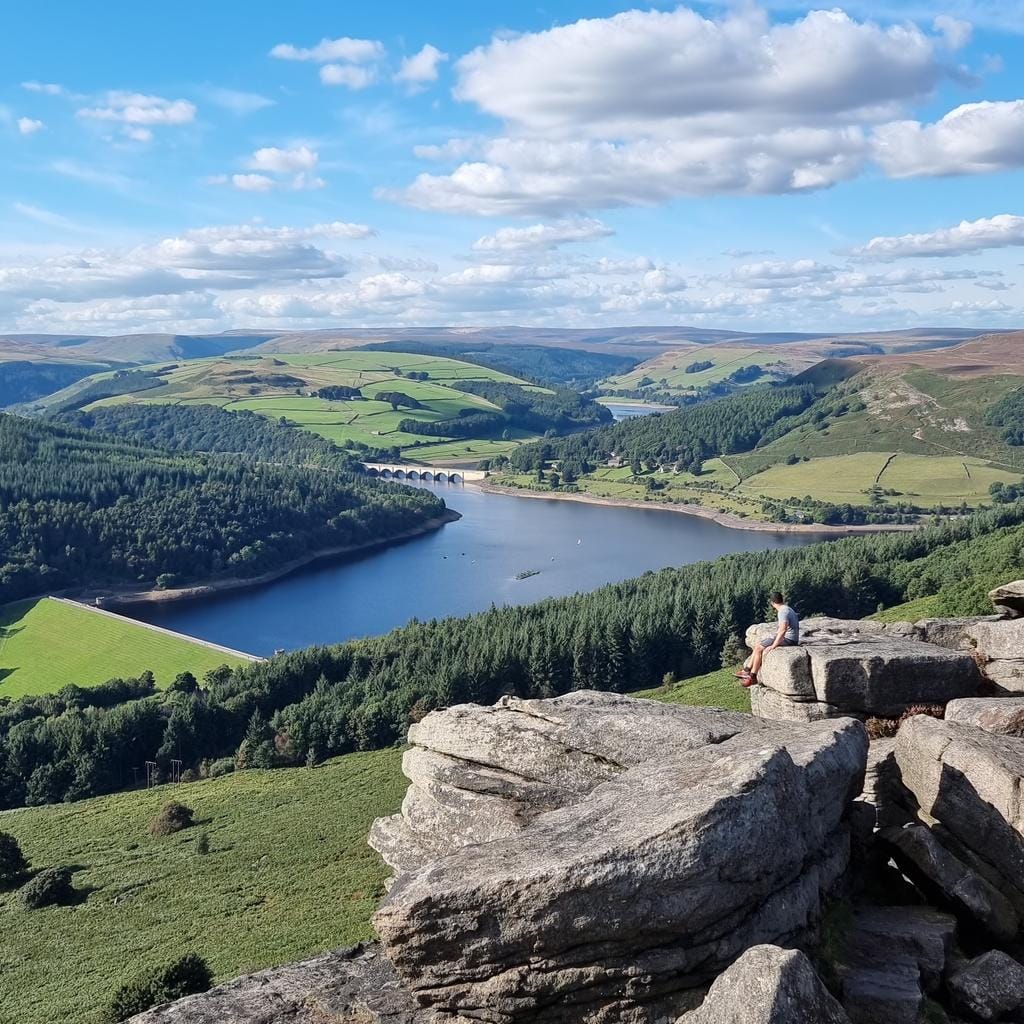
One of Sheffield’s greatest attractions is its proximity to the Peak District National Park. Visitors can spend the morning exploring museums and galleries before heading into the countryside for walking, cycling or enjoying dramatic landscapes.
Its City of Culture ambitions seek to celebrate Sheffield’s creative communities, industrial heritage and independent spirit, while encouraging cultural participation across the city.
For travellers, Sheffield offers a particularly appealing combination of museums, theatre, independent restaurants and easy access to some of England’s most beautiful countryside.
Wrexham – Welsh heritage, creative communities and a city attracting worldwide attention
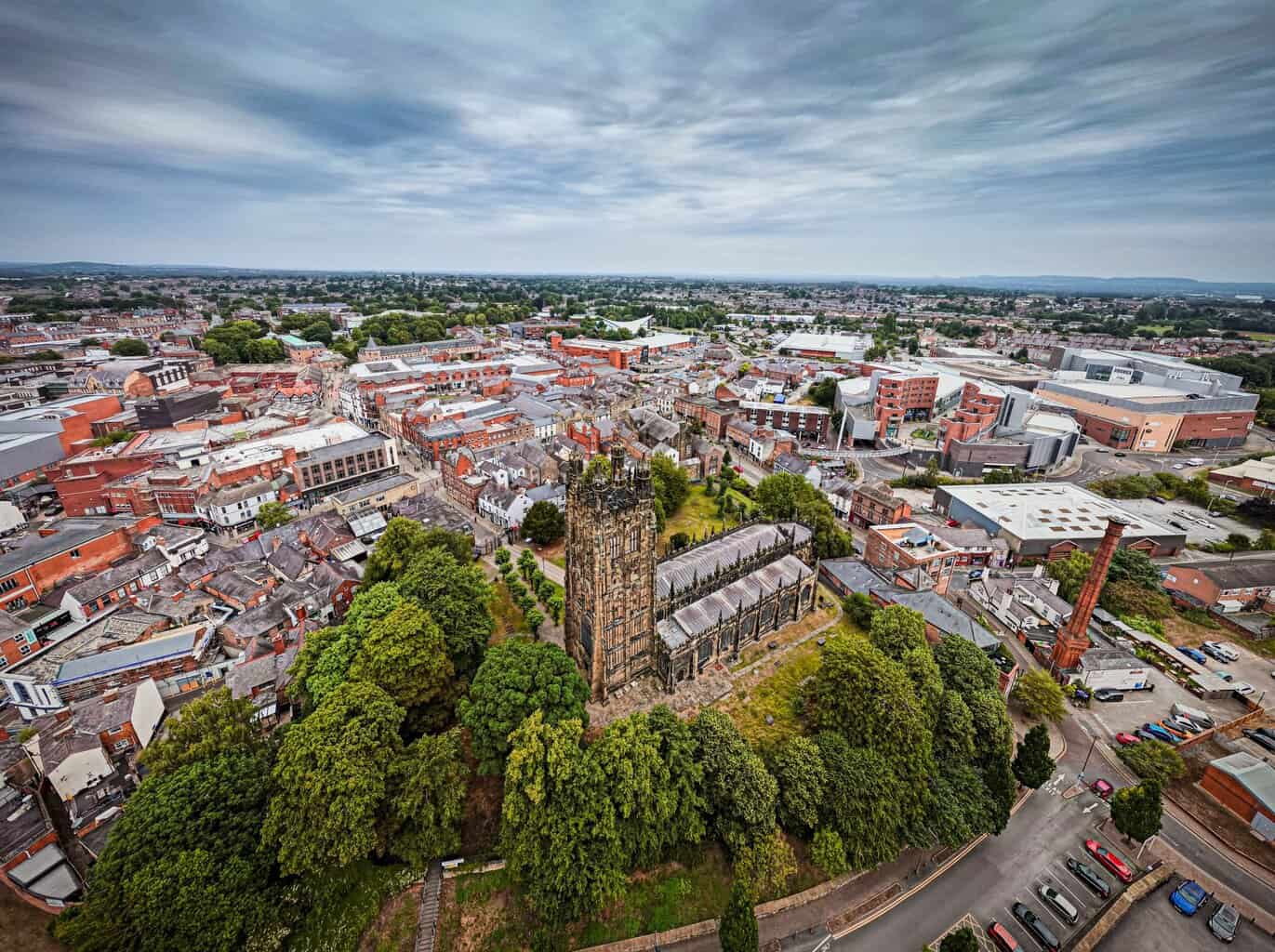
Wrexham has enjoyed an extraordinary increase in international recognition, largely thanks to the success of its football club and the television documentary Welcome to Wrexham.
The North Wales destination, which received official city status in 2022, has attracted visitors from around the world who want to experience the home of Wrexham AFC.
However, its cultural attractions extend well beyond football.
One of the city’s most interesting venues is Tŷ Pawb, a former market building transformed into a cultural centre combining exhibitions, independent traders, workshops and places to eat.
The venue was shortlisted for Art Fund Museum of the Year in 2022 and has become an important example of how creative activities can bring communities together.
Wrexham is also home to St Giles’ Church, a landmark celebrated for its medieval architecture and distinctive tower.
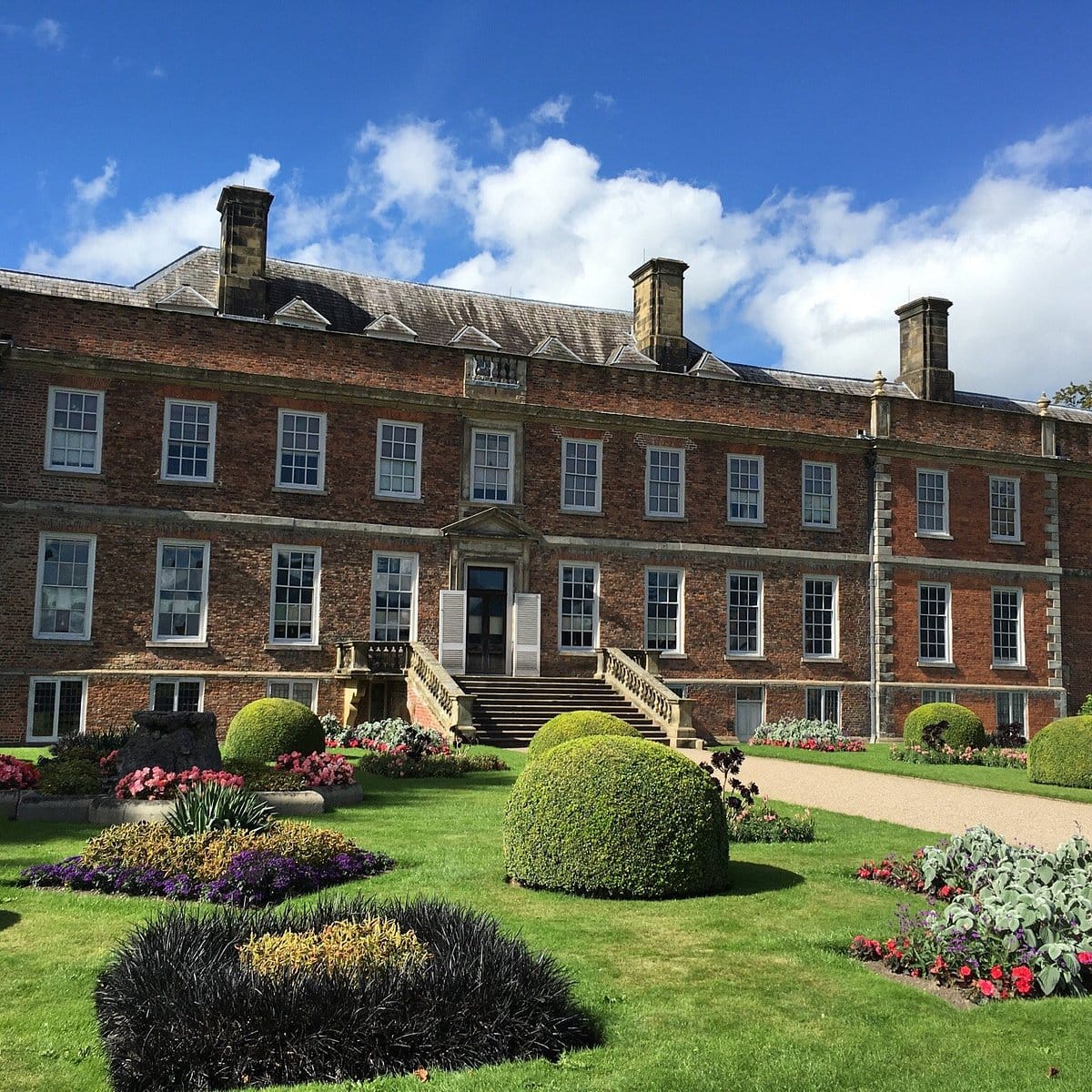
Nearby, visitors can explore Erddig, a National Trust property featuring historic interiors, landscaped gardens and stories about the people who once lived and worked there.
A short journey from Wrexham leads to Pontcysyllte Aqueduct, a UNESCO World Heritage Site carrying the Llangollen Canal high above the River Dee.
Visitors can cross the impressive structure on foot or take a canal boat trip to experience views across the surrounding countryside.
Wrexham also hosts FOCUS Wales, an internationally recognised showcase festival which brings emerging performers, creative professionals and audiences to the area.
Despite its growing international profile, Wrexham still faces challenges around town-centre regeneration and sustaining growth beyond football tourism. Its City of Culture bid offers an opportunity to promote Welsh heritage, independent businesses and creative communities while encouraging visitors to discover more of the surrounding region.
The campaign has attracted support from prominent figures including actors Rhys Ifans and Matthew Rhys, reflecting ambitions to build on the city’s recent international exposure.
Its cultural programme aims to celebrate Welsh identity, support local creativity and create opportunities that extend beyond the success of the football club.
For travellers, Wrexham offers a combination of historic architecture, contemporary arts and easy access to North Wales’ countryside, making it an interesting destination for a weekend break.
What happens next in the UK City of Culture 2029 competition?
The four shortlisted destinations will now progress through the final assessment stage, including visits and presentations to an expert advisory panel chaired by Sir Phil Redmond, the television producer behind Brookside and Hollyoaks.
The panel will assess each location’s cultural plans before making its recommendation to the government, with the winning destination expected to be announced in early 2027.
The UK City of Culture competition takes place every four years, with previous title holders including Derry-Londonderry in 2013, Hull in 2017, Coventry in 2021 and Bradford in 2025.
The successful destination will receive £10 million towards delivering a programme of cultural events and celebrations throughout 2029, potentially attracting visitors, supporting businesses and providing opportunities for local communities.
For travellers, however, there is no need to wait until 2029 to explore the four finalists. Each offers a distinctive experience, whether that means enjoying Blackpool’s theatres, discovering Milton Keynes’ wartime history, exploring Sheffield’s creative neighbourhoods or experiencing Wrexham’s Welsh heritage.
Planning a visit to the four finalists
Each destination has an official tourism website with information about attractions, accommodation, events and activities.
Blackpool: Visit Blackpool – Seaside entertainment, theatres, museums, Illuminations and family attractions.
Milton Keynes: Destination Milton Keynes – Bletchley Park, galleries, theatre, festivals and green spaces.
Sheffield: Welcome to Sheffield – Industrial heritage, independent neighbourhoods, cultural events and outdoor activities.
Wrexham: Visit Wales – Historic landmarks, Welsh culture, contemporary arts and surrounding countryside.