Tyga Defends AI Use on $TARFACE After Backlash and 0.0 Review
Tyga has defended his use of AI on $TARFACE after the album received a 0.0 review and criticism from Doja Cat.

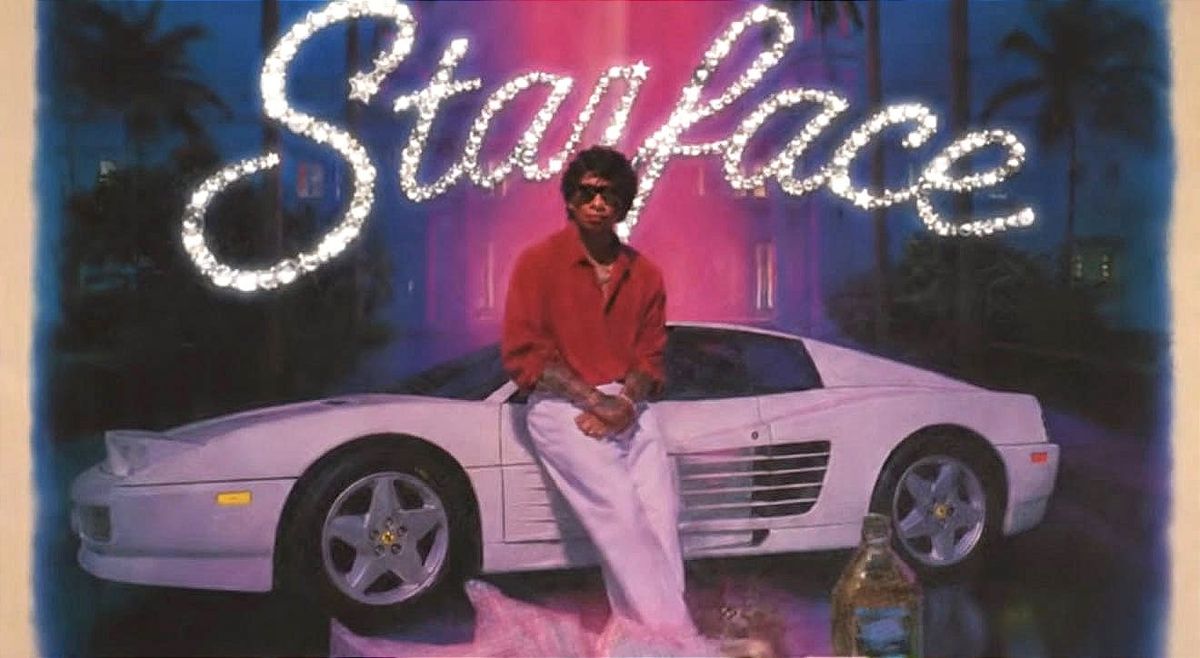
Tyga has defended using artificial intelligence during the creation of his new album “$TARFACE” after his admission prompted a strong reaction and became another flashpoint in the debate over AI music.
The rapper says AI helped create some of the album’s 1980s inspired production, including synth sounds and guitar parts, while maintaining that he wrote the material and performed the vocals himself. The explanation has not stopped questions about how far generative technology should be allowed into mainstream music.
How did Tyga use AI on $TARFACE?
Tyga confirmed in August that artificial intelligence had been used as a production tool on “$TARFACE”, saying it helped when particular sounds were needed quickly.
He specifically referred to wanting 1980s style synths and a guitar solo, while maintaining that the songwriting and vocals were his own work. SoapLandTV has not independently established the precise extent of AI involvement in the finished album, so those details remain Tyga’s account of his production process.
The admission followed an earlier interview in which Tyga discussed using vintage recording equipment, delays and harmonizers to achieve the album’s retro sound. “$TARFACE” was released on 31 July as a 10 track project built around a new alter ego and a significant departure from his established rap style.
Tyga compares AI with Auto Tune
Tyga has argued that generative AI should be viewed as another technology available to musicians, comparing the reaction with criticism that surrounded Auto Tune when it first became widely used.
That comparison divides opinion. Supporters see a continuation of musicians adopting new studio technology, while critics argue generative AI can create parts of a musical performance itself rather than simply changing something a musician has already recorded.
The distinction is becoming increasingly important as artists use AI in very different ways. One musician may generate an individual sound, while another project could use artificial intelligence for much more of a finished track.
$TARFACE received a 0.0 review
The reaction became considerably more intense after Pitchfork awarded “$TARFACE” a 0.0 rating on 12 August.
The highly critical review questioned the album’s creative value and focused heavily on Tyga’s acknowledged use of artificial intelligence. However, the review did not establish that the entire album was AI generated, and criticism of how the record sounds should not be treated as technical evidence about how every part was produced.
Tyga has continued to stand by his approach, arguing that AI was one part of the production process rather than a replacement for his writing and vocal performance.
Doja Cat criticised the album
Doja Cat, who has previously collaborated with Tyga, also entered the debate during a livestream, bluntly criticising him for making an AI assisted album.
Tyga later responded with a pointed joke of his own about her recent music rather than directly debating her concerns about AI. Speaking afterwards, he continued to defend his production choices and repeated that artificial intelligence had been used for instrumental elements rather than his lyrics or vocals.
The exchange showed how strongly divided attitudes towards generative AI have become, even among established artists working within the same industry.
Transparency does not end the AI music debate
Tyga’s experience demonstrates that disclosing AI use does not necessarily settle questions about whether audiences will accept it.
For some listeners, knowing exactly which parts were AI assisted may be enough to make an informed choice. For others, generating instrumental performances that might otherwise have been created by musicians raises wider concerns about creativity, jobs and the value placed on human contribution.
There is also an important difference between an artist voluntarily using AI in their own production and situations involving unauthorised voices, identities or copyrighted training material. Treating every example simply as “AI music” risks losing those distinctions.
As generative technology becomes easier to use, musicians may face increasing pressure to explain not simply whether AI was involved, but exactly what it contributed. “$TARFACE” shows that transparency can answer one question while opening several more.
Visit SoapLandTV’s AI & Entertainment section for more Entertainment News, explainers and balanced features following how creators, audiences and the wider industry are responding to the technology.