Timbaland’s AI Artist TaTa Is Now a Human-Led Hybrid Performer
Timbaland’s TaTa Taktumi began as an AI artist, but the project is now being described as a human-led hybrid with a real performer behind the digital persona.


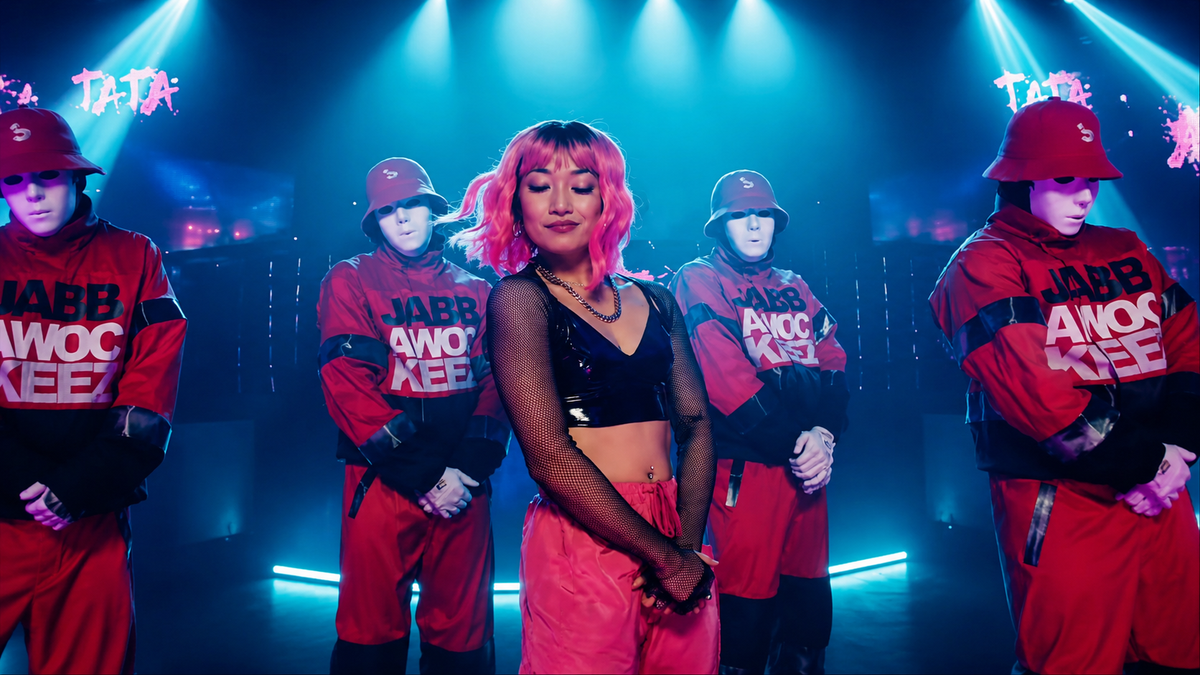
When Timbaland introduced TaTa Taktumi in 2025, the project was presented as a new kind of artificial intelligence artist and the beginning of a proposed music genre called “A-Pop”.
Less than a year later, that description has become much more complicated. TaTa is now being presented as a human-led hybrid artist, with Pacific Music Group confirming that a real performer of Filipino heritage sits behind the digital identity.
The development shows how quickly labels such as “AI artist”, “virtual performer” and “digital persona” can become difficult to define once the human work behind them starts becoming visible.
How TaTa was originally introduced
Timbaland launched Stage Zero in June 2025 with Rocky Mudaliar and Zayd Portillo, creating a company focused on developing music and entertainment projects using artificial intelligence.
TaTa was announced as its first artist, with Timbaland describing the character as a living and evolving performer built with AI. The project was also positioned as the first example of “A-Pop”, a term intended to describe a new form of AI-driven popular music.
That launch naturally led to TaTa being widely described as an AI artist rather than a conventional performer using digital technology. The picture has since changed considerably.
A real performer sits behind TaTa
In March 2026, TaTa signed with Pacific Music Group, the Pan-Asian music company founded by Ne-Yo, Sonu Nigam, MC Jin and music executive Jonathan Serbin.
The company described TaTa as a hybrid artist and confirmed that the performer behind the digital persona has Filipino heritage. Her personal identity has not been publicly revealed.
Pacific Music Group said the human performer brings a real voice, perspective and cultural connection to the project while TaTa’s digital identity remains central to how the artist is presented. Describing TaTa today as a completely artificial performer would therefore no longer accurately reflect what has been disclosed.
Human involvement was there before the hybrid label
Timbaland had already described TaTa as a blend of human and artificial elements in September 2025, several months before Pacific Music Group formally introduced the hybrid artist description.
In his Variety interview, he said his wider AI-assisted production process remained around 80 to 85 per cent human. When discussing TaTa specifically, he described the voice as roughly “half and half”, combining a human voice with the digital persona.
Those comments show that human involvement was part of the project well before the 2026 disclosure, although they do not provide one fixed percentage that applies to every TaTa release.
TaTa’s more recent music has made that human contribution clearer. The 2026 single “Not So Bad”, produced with Timbaland, was presented as combining TaTa’s real vocals and performance with AI-assisted production.
Ne-Yo found out about the signing at an airport
TaTa’s deal with Pacific Music Group produced an unusual moment when Ne-Yo was stopped by TMZ at Los Angeles International Airport shortly after the announcement.
The photographer told him that his own company had signed an AI artist, prompting Ne-Yo to say he had not known about the deal. His reaction shifted when he was told that humans remained involved in writing, producing and performing the music.
Ne-Yo said his main concern was whether real people still had a creative role rather than simply entering prompts and allowing a system to produce everything. The exchange became a surprisingly clear illustration of the wider debate around AI music, with even one of the founders of the company representing TaTa needing clarification about exactly what kind of AI artist had been signed.
So what is TaTa now?
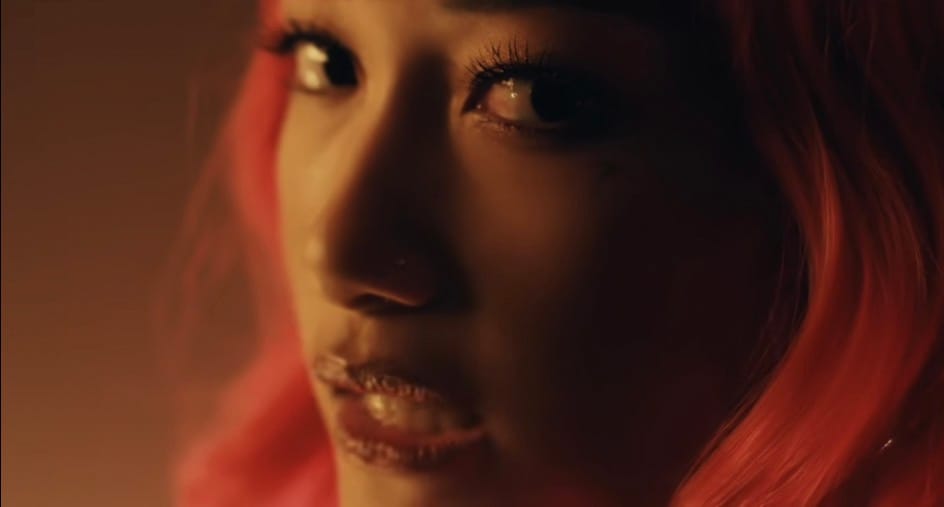
The most accurate description of TaTa today is probably a hybrid digital artist.
There is a real performer behind the identity, recent releases use real vocals and performance, and human producers and writers remain involved. Artificial intelligence and digital technology continue to shape parts of the production, imagery and public persona.
That does not erase TaTa’s origins as an AI experiment. Instead, the project shows how quickly the boundaries can blur once digital identities, real performers and generative technology begin working together.
As more artists experiment with similar approaches, simply calling somebody an “AI artist” may tell listeners very little about how their music was actually made. The more useful questions may be who is performing, who is making the creative decisions and exactly where artificial intelligence enters the process.
Checkout TaTas online profiles - @tatataktumi
Visit SoapLandTV’s AI & Entertainment section for more Media stories, Entertainment News and balanced features exploring how technology is changing the creative industries.