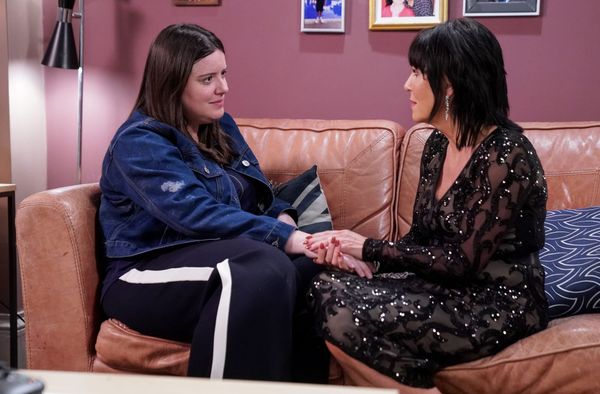
Suki Panesar: A Love Worth Fighting For

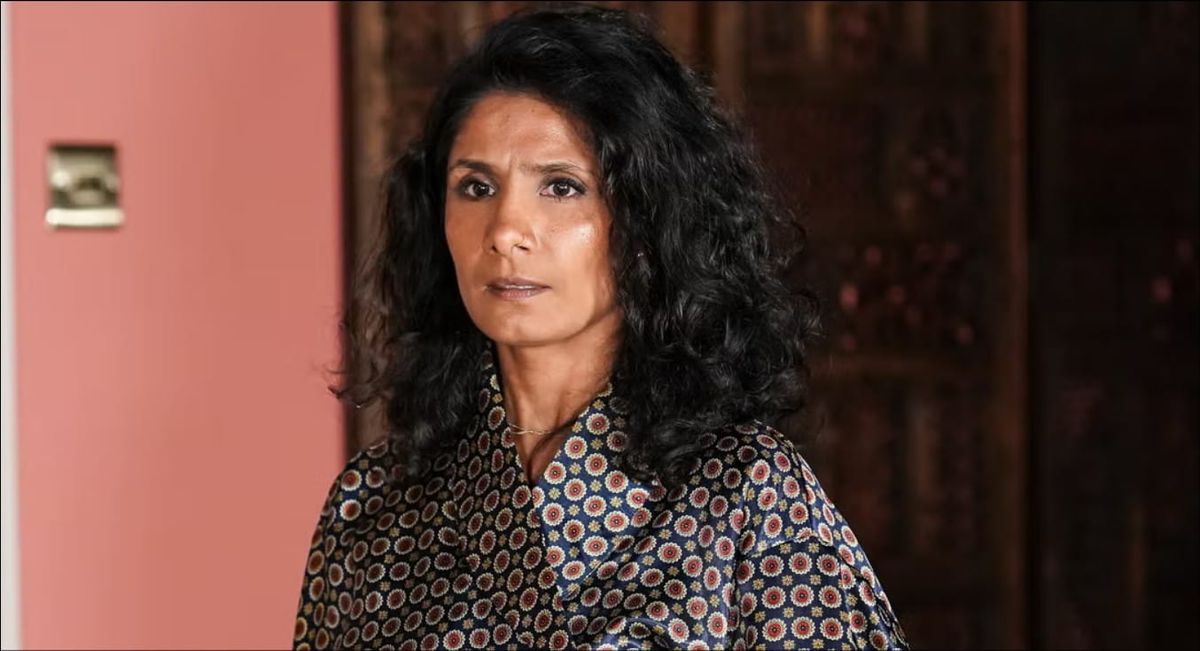
Suki Panesar did not arrive in EastEnders as someone viewers were meant to understand straight away.
When she first appeared in Walford, she was sharp, cold, controlling and almost impossible to read. She entered Albert Square as the Panesar matriarch, a woman who could silence her children with one look and make it clear that everything in her family ran through her.
Over time, EastEnders revealed something much more complicated. Suki was hard because she had spent most of her adult life surviving. She had been controlled, diminished and trapped by Nish Panesar for years, and somewhere along the way she had learned to turn fear into authority. If she could control the room, control her children and control the family business, then maybe nobody would see how much of her life had been shaped by pain.
That is what makes Suki one of EastEnders’ most fascinating modern characters. She is not simple. She has been cruel, manipulative, loyal, frightened, loving, ruthless and deeply vulnerable. She has made terrible choices, but she has also carried terrible wounds. She is a mother who has hurt her children and a mother who would fight the world for them. She is a woman who spent years denying herself, only to become one of the most important LGBTQ plus characters in EastEnders history.
Then Eve Unwin entered her life in a way that changed everything.
Eve first appeared in EastEnders in 2021 as Stacey Slater’s wife, arriving with her own complicated history and a very different energy from Suki. Where Suki was controlled, guarded and used to commanding every room, Eve was direct, perceptive and unafraid to challenge people. Their early connection was not soft or simple. Suki and Eve clashed before they ever became anything close to romantic, but Eve was never intimidated by Suki’s coldness. That immediately made her different from most people around Suki.
Eve was not another person trying to control Suki. She was not Nish. She was not another man using power, intimidation or expectation to force Suki into a smaller version of herself. Eve challenged Suki, but that challenge came from honesty rather than control. She pushed Suki because she could see there was more to her than the polished matriarchal image. She saw the pain underneath.
As their early dynamic developed, one key moment came when Suki and Eve were locked in a police van together after an argument in the street. It was an unusual moment for a future soap love story, but it worked because it forced both women into a space where Suki could not simply walk away. During that scene, Suki began to reveal more of how she saw herself as a mother. She insisted that everything she did was for her children, and that even her cruelty came from love.
Eve actually listened, and that changed the tone between them.
Eve was not fooled by Suki’s excuses, but she was interested in the woman behind them. She could challenge Suki without fearing her. That created the first real spark between them, not just romantic chemistry, but the sense that Eve could reach parts of Suki other people could not.
The connection deepened when Suki opened up about Nish. After Ash confronted her about her controlling behaviour, Suki confided in Eve that Nish had been verbally abusive and had controlled her life. That confession was important because Suki rarely allowed herself to be seen as a victim. Admitting the truth about Nish meant showing vulnerability, and Eve became one of the first people outside the family to hear that truth from Suki herself.
That was the beginning of Suki being seen properly.
Their chemistry grew through small moments. Suki invited Eve to dinner at Walford East as a thank you for helping with Ash. During the lunch, Suki spoke about Ash, explaining that she pushed her daughter because she could see how good she could be. Eve began to understand that Suki’s love often came out wrong, but that did not mean it was not real.
Then came the spark Suki could not control. Eve became distracted by Suki, and later admitted to Stacey that she had feelings for her. When Eve visited Suki at home, she told her there was something between them and kissed her on the cheek. Suki’s reaction was immediate and defensive. She slapped Eve and demanded she leave.
That reaction said everything about Suki at that stage. It was not simply anger. It was panic. Eve had touched a truth Suki had buried for decades.
The next day, Eve challenged her. She told Suki she could not even accept that a woman had missed her. It was a direct line through Suki’s defences. Eve understood that Suki’s reaction was about Suki refusing to recognise her own feelings. Eve also told her that she did not truly know herself, which became one of the most important ideas in Suki’s journey.
Suki’s sexuality struggle had already been hinted at through her kiss with Honey Mitchell and her denial afterwards. But Eve made that struggle impossible for Suki to push aside. With Honey, Suki had buried the moment beneath shame and denial. With Eve, the feeling kept coming back. Eve was too present, too perceptive and too willing to challenge her.
Their bond deepened further during one of Suki’s lowest periods. After the truth about Jags exploded and her children turned against her, Eve became one of the few people who showed Suki compassion without letting her off the hook. Eve found Suki in pain and reminded her that not all blame could be soaked up by one person. She spoke from her own experience of guilt and helped Suki breathe when everything around her was breaking apart.
Their trip to McKlunky’s became one of those small but meaningful soap moments that said more than any grand speech. Eve tried to distract Suki, to give her space away from the family pressure. They talked about music, guilt, family and the versions of themselves they kept hidden. Suki revealed she secretly liked metal music, a tiny detail that showed there was a private Suki nobody really knew.
Eve loved those hidden pieces. She did not want the polished matriarch alone. She wanted the full woman.
When they returned home and Suki told Eve she needed to leave before she did something stupid, the tension finally broke. Eve asked her to define stupid, and Suki pushed her against the fridge before they kissed. It was passionate, messy and loaded with years of denial. For Suki, that kiss was not just attraction. It was a crack in the life she had built to survive.
But Suki was not ready. That is what made the slow burn so powerful. She could feel the truth, but she could not yet live it.
At the GP surgery launch, Suki tried to keep Eve at a distance, even after inviting her into her world. Eve challenged her again, asking why Suki would invite her and then refuse to look at her. Suki insisted that her family was the only thing that mattered. That line defined the conflict inside her. She wanted Eve, but she believed choosing herself would mean betraying everything expected of her as a mother, wife and matriarch.
That is why Suki and Eve’s love story became so important. It was not written as a sudden twist. It grew from repression, fear, guilt, attraction, understanding and the slow realisation that Suki had spent most of her life performing a role. Eve became the person who made her question whether that role had to be permanent.
Nish’s return made everything even harder. He represented the life Suki had survived and the control she was still trying to escape. With Nish back in Walford, Suki’s fear became sharper. Eve was not just a secret love anymore. She was the truth that could destroy the carefully managed world Suki had built.
But Eve also became the contrast to Nish. Nish controlled. Eve challenged. Nish trapped. Eve offered freedom. Nish used Suki’s weaknesses against her. Eve saw them and loved her anyway. Nish wanted a wife who obeyed. Eve loved a woman who could finally breathe.
That contrast helped viewers understand why Suki choosing Eve was not simply a romantic choice. It was a life choice.
Suki and Eve’s journey eventually became one of EastEnders’ most significant LGBTQ plus stories. Suki’s sexuality was not treated as a gimmick or a temporary shock. It was the truth of a woman who had spent decades trapped by expectation, marriage, family honour and fear.
The couple became known by viewers as Sukeve, a ship name that now represents one of EastEnders’ most powerful modern love stories. Sukeve works because it is not built on perfection. It is built on survival, difficult choices, honesty, forgiveness and the courage to love after years of fear. For Suki, Eve did not simply become a partner. She became the person who helped her imagine a life that was finally her own.
Their wedding on New Year’s Day 2025 became a landmark moment. Suki and Eve became the first lesbian couple to marry in EastEnders history. But the wedding mattered because of more than the milestone. It mattered because Suki had fought so hard to reach that point. She had survived Nish, confronted her fear and chosen a life where she could finally be honest.
Taking the shared Panesar Unwin name gave the marriage even more meaning. Suki Panesar Unwin and Eve Panesar Unwin are not just married on paper. Their shared name symbolises a future they chose together. For Suki, the name marks a life no longer defined by Nish, secrecy or control. For Eve, it confirms that this is not a hidden relationship or a temporary chapter.
That matters because Suki spent so much of her life trapped by a marriage that controlled her. Her marriage to Eve is the opposite. It is not about ownership. It is about partnership. It is not about fear. It is about truth. The Panesar Unwin name becomes a symbol of that shift. Suki has not erased her past, but she has added Eve to her future.
Now, Suki and Eve’s story is moving into another important chapter, with the couple exploring adoption. It is a powerful direction because it gives their marriage life beyond the wedding. They are not being treated as a couple whose story ended once they said their vows. Instead, EastEnders is giving them the kind of long running family material that allows a relationship to grow, face pressure and ask difficult questions.
The adoption storyline matters because it asks who Suki is now. She is already a mother, but her history with Kheerat, Jags, Ash and Vinny has never been easy. She loved her children fiercely, but she also controlled them, manipulated them and sometimes hurt them. For Suki to consider becoming a parent again forces her to look at what motherhood has meant in her life, and whether she can build something different with Eve.
Adoption is not a clean slate for Suki. Her past does not disappear because she now has Eve beside her. The damage with her children, the grief over Jags, the trauma of Nish and the consequences of her old choices are all still part of her. But this storyline gives Suki the chance to ask whether family can be built through openness rather than fear.
For Eve, adoption also carries emotional weight. Eve has always been the person who pushes Suki towards truth, but building a family together means she has to look at her own past too. The story is not only about Suki becoming a mother again. It is about Suki and Eve deciding what kind of home they want to create together.
That is especially important for LGBTQ plus representation. Suki and Eve are being given future facing material. They are not background characters, and they are not being used only for milestone moments. They are being written as a married couple with hopes, fears, arguments and plans. They are being allowed to talk about parenthood, family and the future in the centre of a major BBC soap.
What makes Suki unforgettable is that EastEnders has never made her too easy. She is still capable of sharpness and mistakes. She can still wound people. She can still make choices that frustrate viewers. But that complexity is the reason she feels real. Redemption does not mean becoming perfect. For Suki, it means learning to live honestly while carrying the damage of who she used to be.
Suki Panesar Unwin has been cruel and caring, controlling and vulnerable, frightened and fearless. She has hidden from herself and then fought to live openly. She has hurt people, protected people, survived Nish, faced her own shame and chosen Eve.
Sukeve does not undo the pain in Suki’s past. It shows how far she has come. Eve did not turn Suki into someone else. She helped Suki become the woman she had spent decades hiding.
Now, as Suki and Eve Panesar Unwin look towards adoption, they have the chance to build a future rooted not in fear, duty or expectation, but in trust, tenderness and hope.
For a woman who once survived by controlling everything around her, that may be Suki’s most powerful act yet.
She is no longer just surviving Walford.
She is finally choosing her own life.