Sense and Sensibility fans can explore the historic London house used in the new film
Explore Rainham Hall, the historic London house used in the new Sense and Sensibility film, with costumes, filming rooms and gardens to visit.

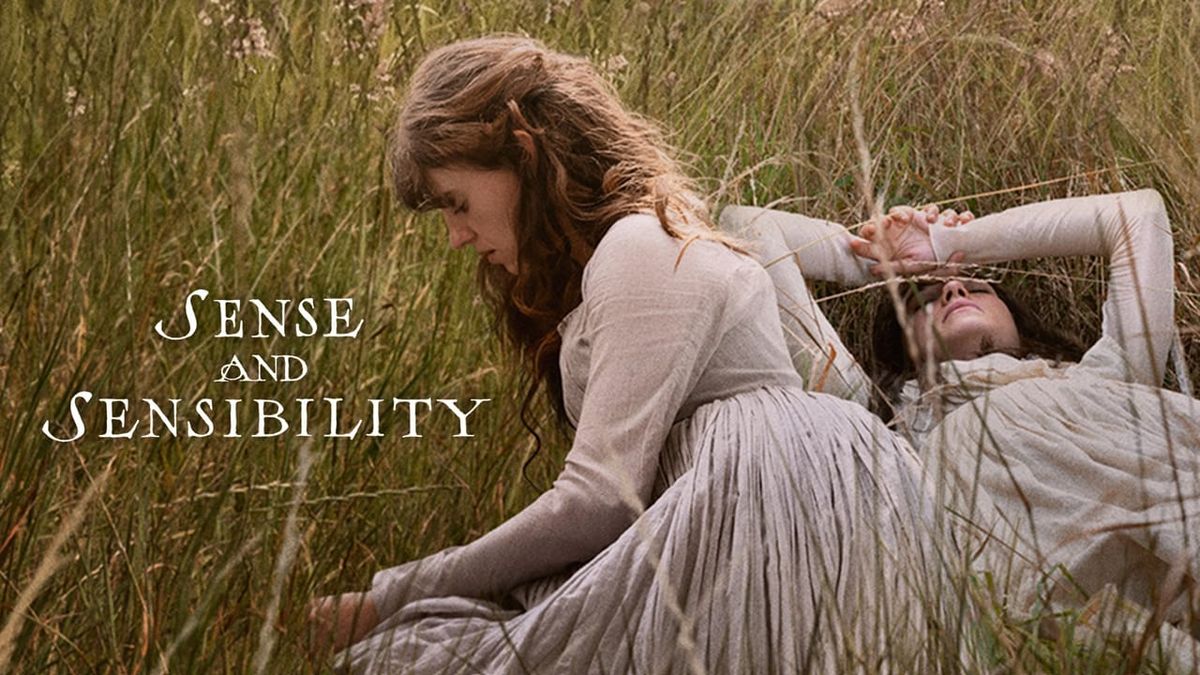
The new Sense and Sensibility film has arrived in UK cinemas, and one of its filming locations is opening its story to visitors. Rainham Hall, a nearly 300-year-old merchant’s house in east London, is hosting an exhibition of costumes, props and information about how its rooms were transformed for the production.
Released in the UK on 25 September 2026, the film stars Daisy Edgar-Jones and Esmé Creed-Miles as sisters Elinor and Marianne Dashwood. Based on Jane Austen’s novel, it follows their experiences of love, money and family upheaval in a society where marriage could determine a woman’s future.
Rainham Hall provided the interiors of Mrs Jennings’ London home, with Fiona Shaw playing the character. Visitors can now enter two rooms used during filming and discover how the historic property became part of the sisters’ world.
What is Rainham Hall?
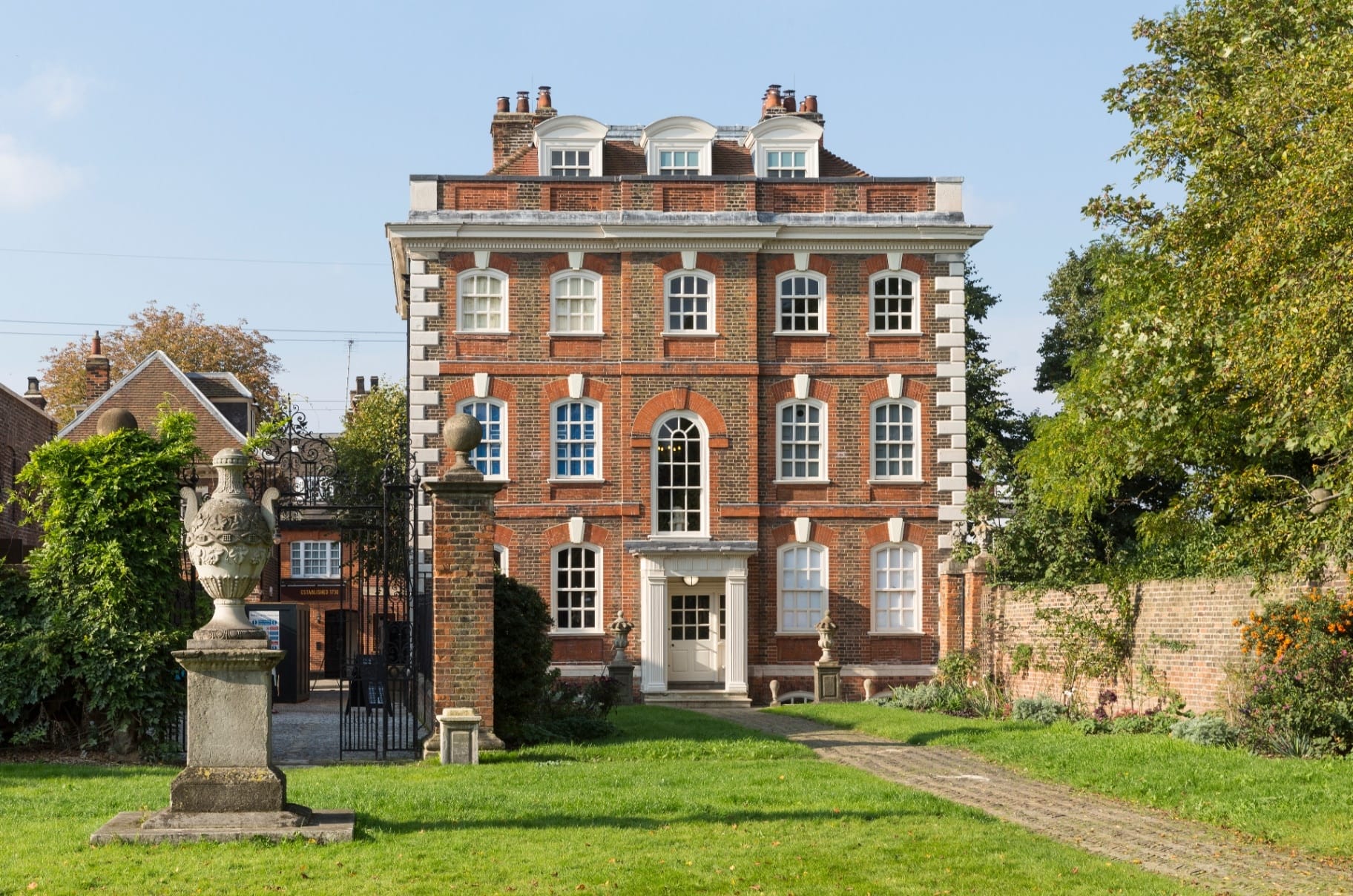
Rainham Hall is a historic house cared for by the National Trust in Havering, on London’s eastern edge. Built in 1729 for sea merchant Captain John Harle, it was originally a private home, and its history stretches far beyond its latest appearance on screen.
The red-brick building has the balanced appearance and decorative detail associated with Queen Anne-style architecture. Although built during the Georgian period, it reflects an architectural style that continued beyond Queen Anne’s reign.
Harle came from a northern family involved in coal and shipping and settled in London after years of trading at sea. His house has since accommodated almost 50 different families and inhabitants, including artists, vicars and architectural historians.
It also served a very different purpose during and after the Second World War. From 1943 to 1954, children attended a day nursery here, allowing local mothers to work while their children were cared for in the house and garden.
Photographer and designer Anthony Denney later lived at Rainham Hall between 1964 and 1969. Some of the entrance hall’s gilding and marbled paintwork survive from his time, adding another layer to a building repeatedly shaped by its occupants.
What can visitors see?
The Sense and Sensibility exhibition combines costumes and props from the film with an explanation of the filming process. Its setting inside rooms used by the production gives visitors the chance to connect what they see on screen with the real building.
Elsewhere, Rainham Hall uses changing exhibitions to explore its former residents. Its interiors contain decorative schemes from different periods, reflecting the tastes of the people who lived there over the centuries.
Outside is a community garden covering nearly three acres, with an orchard, vegetable plots, woodland and planted borders. Entry to the garden is free, and the Stables Café offers somewhere to pause during a visit.
Dates, tickets and accessibility
The film exhibition runs until 19 December 2026, with listed autumn sessions on Thursdays, Fridays and Saturdays from 11am to 4pm. It is included with a Hall ticket, so there is no separate exhibition charge on top of admission.
A free, accessible element is available in the Coach House. The main house has entrance steps and is not wheelchair accessible, even though the film exhibition is on the ground floor.
How to get there
From central London, take a c2c train, the rail service connecting London with south Essex, from Fenchurch Street to Rainham in Essex. The Hall is approximately 170 metres from the station, making it a short walk rather than a trip requiring a taxi.
Check that your journey is to Rainham in Essex, as there is another Rainham in Kent. There is no parking at the Hall, although paid parking is available at the nearby railway station.
The official exhibition page lists visiting dates and booking information. Check the house’s calendar before travelling, as the Hall, garden and café have different opening hours.
Image credits: VisitBritain