Océane Terrettaz on the personal story behind her AI film about loneliness


Loneliness can be difficult to show on screen because it is often found in the smallest moments rather than dramatic events. For AI creator Océane Terrettaz, that became the starting point for one of the most personal stories she has created.
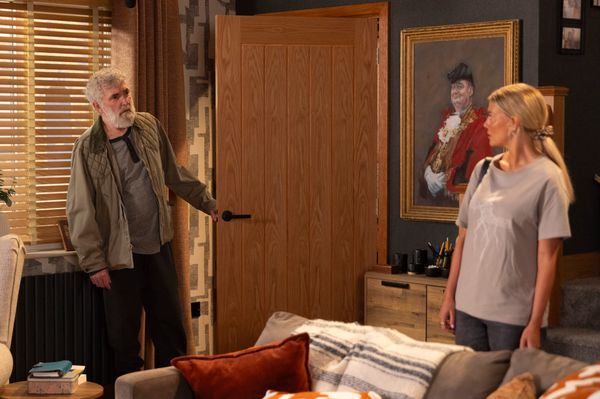
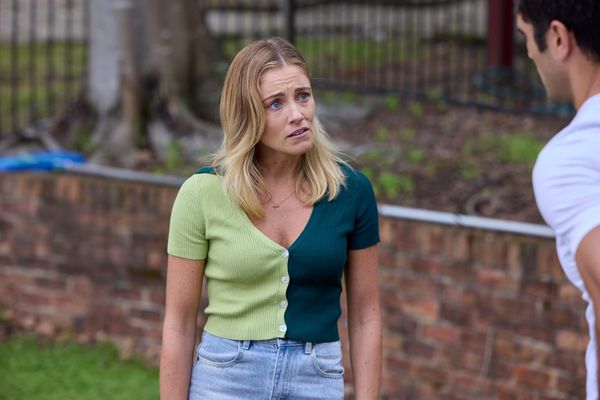
The film follows a woman moving through ordinary parts of everyday life alone. She goes to the cinema, sits by herself in a restaurant and watches the connections happening around her, all while appearing increasingly separated from the world she is observing.
Nothing about the idea depends on a huge twist or elaborate storyline. Instead, the emotion comes from situations that many people will recognise: being surrounded by others while still feeling completely alone. For Océane, that was also what made the project especially meaningful to create.
“One project that means a lot to me is a video I created about loneliness.”
The story gradually changes when the woman encounters another woman. There is no immediate declaration or dramatic introduction between them. Instead, something as simple as an exchanged look opens the possibility that a new connection could begin.
It is a small moment, but that simplicity is central to what Océane was trying to capture. Human connection does not always arrive through something extraordinary. Sometimes it begins through being noticed by somebody else at exactly the moment when you feel invisible.
The film also became more personal for Océane because the emotions behind it were not entirely fictional.
“That video was particularly emotional for me to create because there is also a small part of myself in that story.”
That admission gives the film another layer. AI may be involved in creating the characters and visuals, but the reason the story exists comes directly from the person behind it.
It is also a good example of why conversations around AI-created entertainment are becoming more complicated than simply asking which tool generated an image. A creator can still bring memories, emotions, personal experiences and intentions into a story, even when the production process looks very different from traditional filmmaking.
Océane’s work regularly returns to human connection, relationships and emotion, and she plans to continue exploring subjects that people can personally relate to. Burnout, compassion and the pressure created by social media are among the themes she is interested in developing through future stories.
Her loneliness film, however, shows how effective those ideas can be when they are kept deliberately simple. One woman feels disconnected. Another person notices her. A look is exchanged, and suddenly the possibility of something different exists.
For Océane, finding that emotional connection with a subject remains at the centre of the creative process.
“What matters to me is finding a subject that makes me feel something and then turning it into a story that can hopefully make other people feel something too.”
That is ultimately what makes this particular film stand out within her work. The technology helps create the world on screen, but the loneliness at the centre of it, and the hope that eventually begins to emerge, come from somewhere much more human.
SoapLandTV will continue exploring Océane’s work across this creator series, looking at the stories, ideas and emotions behind the AI films she is building.
Follow Océane on Instagram at @oceane.ai.futur and on YouTube through OcéaneAI at @oceaneterrettaz9796.
Images: Courtesy of Océane Terrettaz.