National Trust reveals extraordinary queer relationships behind Britain's historic houses and art collections
New National Trust book Queer Creativity explores LGBTQ+ artists, writers and relationships preserved through Britain's historic houses and collections.

More than fifty years of companionship between two female artists working in a small Devon studio is among the remarkable stories being celebrated in a new National Trust book exploring the LGBTQ+ lives and relationships behind Britain's historic houses and art collections.
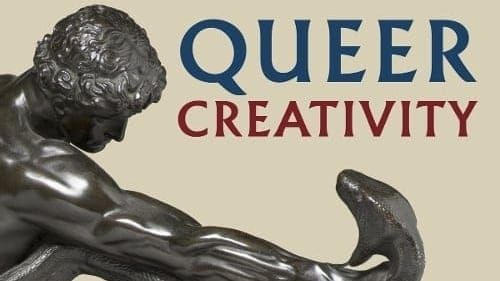
Queer Creativity: A National Trust History, written by Richard Ashbourne and Dawn Hoskin, was published on 12 November and brings together centuries of artistic achievement, personal relationships and cultural history. The book reveals how people who challenged conventional expectations of gender and sexuality helped shape the paintings, buildings, gardens and collections now preserved by the organisation.
Among the stories highlighted by the authors is the enduring relationship between painters Judith Ackland and Mary Stella Edwards, who shared their lives and creative work for more than fifty years.
The two women spent much of their time at Bucks Mills, a small coastal village in North Devon, where they worked together in a stone cabin overlooking the sea. The building became their summer studio and a place where they could develop their artistic interests while enjoying the companionship that formed such an important part of their lives.
Ackland and Edwards began their shared artistic journey during the 1920s, continuing to work together until Ackland's death in 1971. Their paintings and personal belongings provide a glimpse into a creative partnership that developed during a period when relationships between women were often understood and discussed very differently from today.
The National Trust now cares for their former studio, preserving a space that offers visitors an opportunity to discover how the artists lived and worked.
Their story illustrates one of the central ideas explored in Queer Creativity, which considers how relationships and personal experiences influenced artistic work across different periods of British history.
Rather than looking at paintings, sculptures and historic buildings only through the names of their creators, the book examines the people and communities surrounding them. Personal letters, portraits, fashion, libraries and gardens can all help reveal connections that influenced the lives of the individuals responsible for creating them.
Some of those relationships were recorded openly, while others were expressed through symbols, artistic references or private correspondence. Understanding the social expectations of a particular period can help explain why certain experiences were carefully preserved or communicated indirectly.
The authors also explore the wider networks that brought queer artists and writers together, including the cultural circles associated with Virginia Woolf and Vita Sackville-West.
Woolf's novel Orlando was inspired by Sackville-West, demonstrating how a personal relationship could become the inspiration for an influential work of literature. Their connection forms part of a broader history in which friendship, affection and creative collaboration were closely intertwined.
Other artists developed communities that offered opportunities to work, exchange ideas and build relationships outside the expectations of wider society. Those connections contributed to British culture through paintings, architecture, literature and many other creative forms.
Queer Creativity is arranged into six broadly chronological sections, beginning in Georgian Britain and continuing through to contemporary artistic practice. The publication also includes a guide to National Trust properties with significant queer connections, helping readers discover places where those histories can still be explored.
The book has been written by two curators with extensive experience of the organisation's collections and the stories behind them.
Dawn Hoskin is a National Trust cultural heritage curator and leads the organisation's LGBTQ+ Steering Group, while Richard Ashbourne is an assistant national curator whose research interests include queer British art and historic interiors.
An introduction has been written by acclaimed novelist Alan Hollinghurst, whose novels have frequently explored gay identity, relationships and British social history. Hollinghurst won the Booker Prize in 2004 for The Line of Beauty, making his contribution another connection between the publication and established LGBTQ+ literature.
The book also draws on the expertise of additional National Trust specialists, bringing different areas of historical and artistic research into one illustrated collection.
For readers interested in LGBTQ+ history, Queer Creativity provides an opportunity to discover the individuals behind familiar historic places and understand how their personal relationships influenced the work they created. The story of Ackland and Edwards is a particularly moving example of how companionship and artistic expression can become closely connected across an entire lifetime.
Queer Creativity: A National Trust History was published on 12 November 2026 and is available as a 264-page paperback priced at £20. Readers can find the book through the official National Trust shop and participating bookshops.