LGBTQ+ military personnel denied the chance to serve openly have their stories brought to life in new exhibition
Artist Annabel McCourt explores the experiences of LGBTQ+ military personnel through photography and personal testimony in a free Lincoln exhibition.

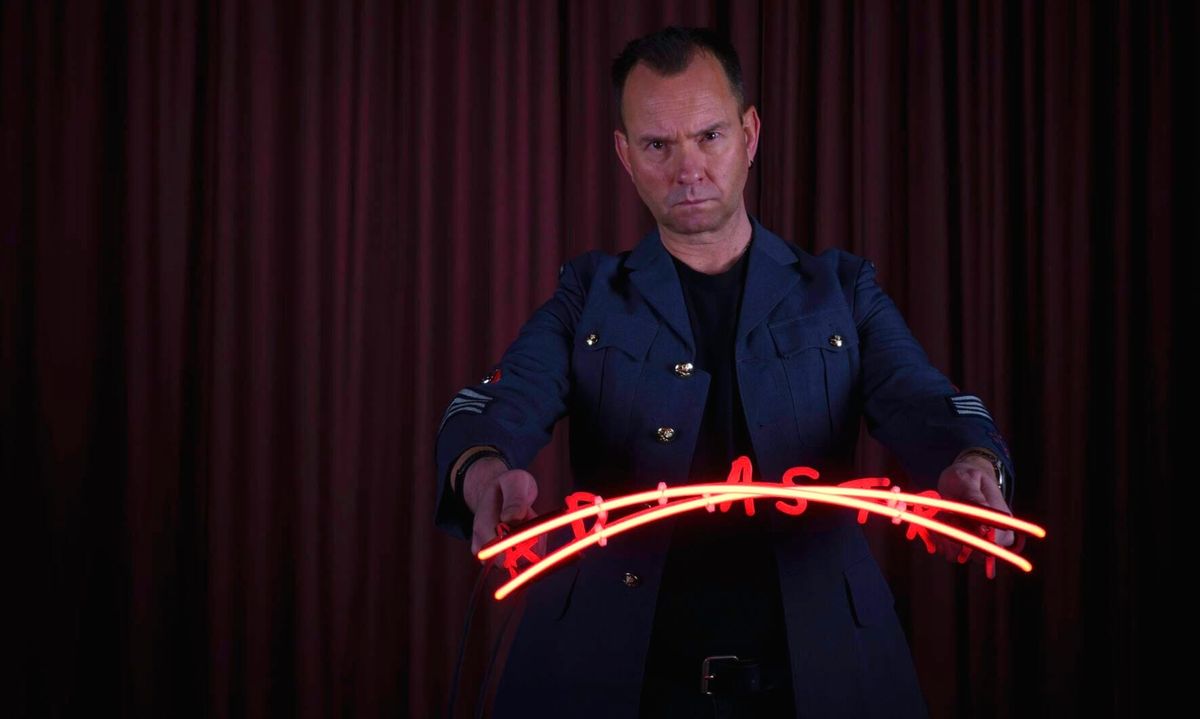
An artist who once walked into a military recruitment office terrified of being discovered as queer is bringing the experiences of LGBTQ+ armed forces personnel into the spotlight through a powerful new exhibition in Lincoln.
Ad Astra, created by internationally exhibited artist Annabel McCourt, opened at Lincoln Arts Centre on 12 November and explores the personal consequences of the historic ban on LGBTQ+ people serving openly in Britain's armed forces. Combining photography, conversations and individual accounts, the exhibition recognises the contribution of those affected while providing an opportunity for their experiences to be heard.
For McCourt, the subject has a deeply personal connection to growing up in Lincolnshire, surrounded by military history and an enthusiasm for aircraft. The artist remembers being interested in joining the armed forces as a teenager but feeling frightened that revealing their identity could lead to rejection, an experience that eventually helped shape their creative work.
McCourt has described entering an armed forces recruitment office during those teenage years and feeling afraid of being found out. Although the artist ultimately pursued a career in the arts, the experience left a lasting impression and inspired questions about the opportunities denied to people who could not openly be themselves.
The exhibition builds on McCourt's earlier installation Per Ardua, which took inspiration from the Royal Air Force motto Per Ardua Ad Astra, meaning through adversity to the stars.
In that work, the words Ad Astra were deliberately crossed out, representing the ambitions and opportunities that LGBTQ+ personnel were prevented from fulfilling because of the restrictions placed on their service.
Until January 2000, gay and lesbian people faced a ban on serving openly in the British armed forces, with those affected risking investigation, dismissal and the loss of careers they had worked to build.
The consequences extended beyond employment, affecting relationships, family life and the freedom to be open about personal identity. Some former personnel experienced significant hardship following their discharge, while others carried the emotional consequences of having to conceal important parts of their lives.
Ad Astra develops McCourt's earlier artistic ideas through a collection of personal experiences gathered from people connected to the armed forces. Photography and conversations help bring those accounts together, creating a shared visual record of lives shaped by discrimination, resilience and the desire to belong.
Rather than concentrating solely on the institutional history of the ban, the exhibition places individuals at the centre of the story. Their contributions provide an opportunity to understand how military policies affected the people who served, including those whose experiences may never have been widely recognised.
The scheme allows eligible veterans affected by the historic ban to apply for financial recognition, with payments potentially reaching £70,000 depending on individual circumstances. The deadline has brought renewed attention to the experiences of those who served while restrictions were in place.
McCourt's work forms part of Lincoln Arts Centre's Loud & Proud programme, a season celebrating LGBTQ+ creativity and stories that have not always received the attention they deserve.
The artist has developed an international career spanning photography, installation and public art, with exhibitions taking place in countries including Australia, Brazil, China and Senegal. Ad Astra brings that creative experience to a subject closely connected with McCourt's own memories and the wider history of Lincolnshire's military communities.
For visitors, the exhibition offers an opportunity to encounter personal stories that are an important part of Britain's LGBTQ+ and military history. It also demonstrates how art can preserve experiences and encourage conversations between generations who may have lived through very different circumstances.
Ad Astra runs until 3 December 2026 at Lincoln Arts Centre, University of Lincoln, Brayford Pool, Lincoln. Admission is completely free, with no advance booking required, and the gallery is open Monday to Saturday from 10am until 4pm.
Further information about the exhibition is available through the official Lincoln Arts Centre website.