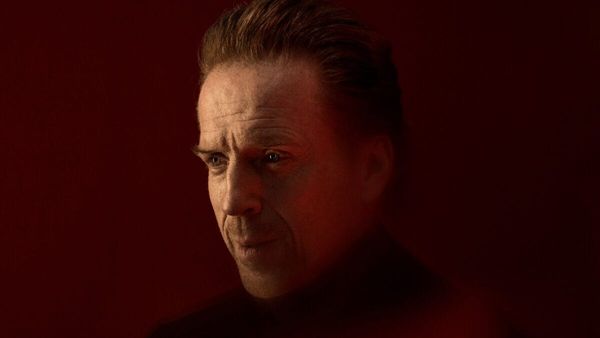
Leo Mas Renard Creator Reveals Why His AI Character Will Always Be Gay
The creator behind viral AI character Leo Mas Renard reveals why he will always be gay and how Meeting You explores LGBTQ+ romance and representation.


As artificial intelligence creates new opportunities for LGBTQ+ storytelling, the creator behind virtual character Leo Mas Renard has revealed why one aspect of his identity will never change, regardless of the story or setting. Leo is an AI-generated character who appears in photography, short films and the romantic series Meeting You, which follows his developing relationship with another fictional character, Sebastian.
Created in June 2026, the project began as an experiment in AI photography before expanding into fictional storytelling, with its creator now exploring different relationships, historical periods and adventures while keeping LGBTQ+ representation at the heart of his work. Speaking exclusively to SoapLandTV, the gay creator explained why Leo's sexuality is an important creative decision.
"One thing I've decided is that Leo will always be gay, regardless of the story or the setting. As a gay creator, that's something that's important to me."
Why Being Gay Does Not Have to Define Every Story
Although Leo will always be portrayed as gay, his creator believes LGBTQ+ characters should have opportunities to experience the same variety of stories as anyone else, allowing them to explore relationships, friendships and adventures without their sexuality always becoming the main storyline.
"But I don't necessarily want his sexuality to be the central focus of every narrative. Sometimes it will be, as with Meeting You, which follows the developing relationship between Leo and Sebastian. Other times, it might simply be one aspect of who he is, while the story explores something entirely different."
That approach means Leo could appear in a contemporary romance, a historical drama or an entirely different fictional world while remaining recognisably the same character. For his creator, the freedom to explore those possibilities is one of the most appealing aspects of working with AI-generated characters.
"I like the idea of creating stories in which gay characters can experience the same range of adventures, relationships, conflicts, and everyday moments as anyone else, without their sexuality always needing to be the point of the story."
The philosophy reflects a wider conversation about LGBTQ+ representation in entertainment, particularly the importance of allowing gay characters to experience ordinary relationships, friendships and adventures without every story revolving around their identity. By developing Leo across different fictional settings, his creator is exploring how those experiences can become a natural part of storytelling rather than always providing its central conflict.

How Meeting You Brought Leo and Sebastian Together
The creator's first attempt at fictional storytelling was originally intended as a small experiment to discover what Leo might look and sound like when speaking, but the unexpected response encouraged him to explore the character further. That initial video contained just one word of dialogue, yet the audience reaction was enough to inspire another episode featuring more interaction between Leo and Sebastian.
The second instalment introduced additional dialogue and explored their developing relationship through quieter, more personal exchanges, allowing the creator to experiment with the emotional connection between the characters. According to the creator, the episode attracted more than one million views in three days, bringing thousands of new followers and prompting viewers to ask when the characters would appear together again.

The response demonstrated how audiences could become invested in a fictional relationship created entirely through AI-generated visuals and video, particularly when the characters were given opportunities to develop beyond their initial appearances. However, the creator's ambitions extend beyond romance, with plans to explore Leo in different roles and settings while maintaining the same character identity.
Could AI Bring More LGBTQ+ Stories to the Screen?
For independent creators, AI-generated video offers new possibilities for exploring stories that might otherwise require considerable production resources, particularly those involving historical locations, elaborate settings or different fictional worlds. These environments can be developed digitally, allowing creators to experiment with narratives without organising conventional filming arrangements or accessing expensive physical locations.
That creative freedom is particularly interesting for LGBTQ+ storytelling, where independent filmmakers and writers may want to explore characters and relationships outside familiar genres. The Leo Mas Renard project provides an example of how one creator is experimenting with those possibilities, although the storytelling itself still requires careful decisions about character development, dialogue, editing and emotional tone.
His forthcoming projects include another multipart story set in a different historical period, giving Leo an opportunity to explore an entirely new fictional world while maintaining the identity his creator considers so important. Meanwhile, Meeting You continues to follow the developing relationship between Leo and Sebastian, with further instalments planned as their story progresses.
For the creator, the most important principle is that Leo remains recognisably himself, whether he is experiencing a romantic moment or taking part in a completely different adventure. It is an approach that celebrates LGBTQ+ identity while recognising that gay characters deserve the same breadth of storytelling opportunities as anyone else.
Readers can explore Leo's photography and watch Meeting You through Instagram @leo.mas.renard and the official Leo Mas Renard YouTube channel, where new videos and stories are shared as the project develops.
Image credits: Leo Mas Renard. Used with permission from the creator.