Icebreaker and AI: A New Route for Independent WLW Storytelling
Icebreaker Series WLW shows how AI-assisted production can give independent LGBTQ+ creators another route to bring stories from the page to the screen.

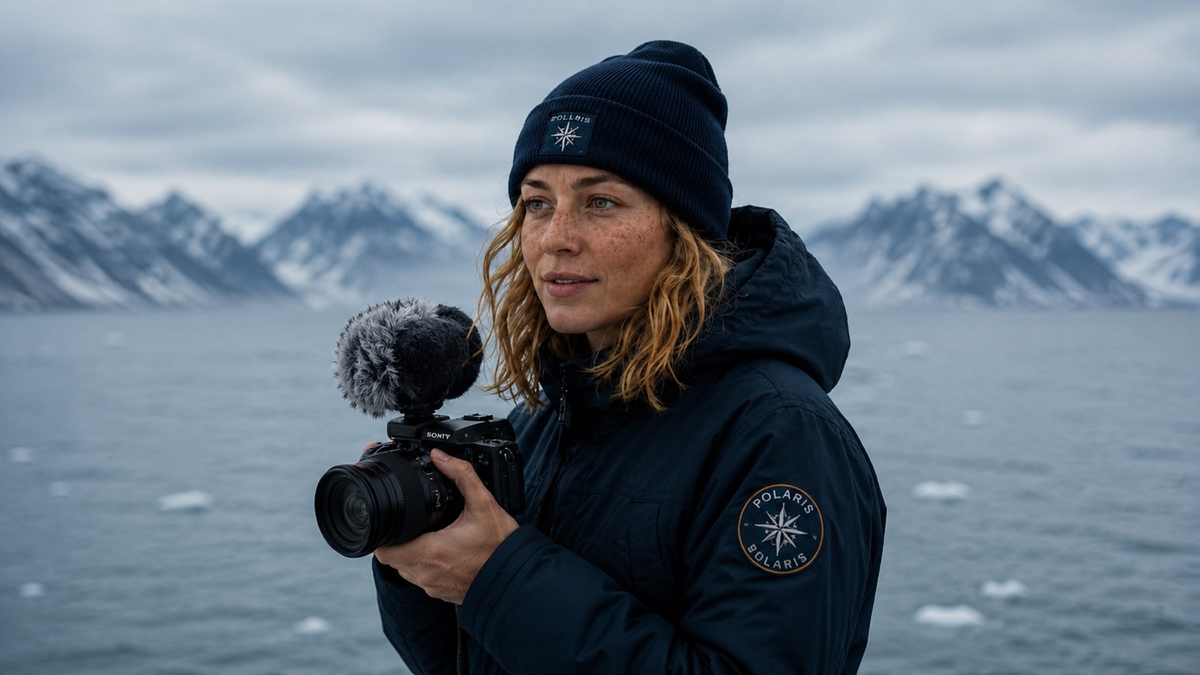
Icebreaker Series WLW began with a story Gen wanted to see herself. She had created Ana Malik and Noémie Morin, developed their relationship and imagined their world aboard the Arctic research vessel Polaris, but she did not have the financial resources to produce the series traditionally.
AI gave her another route to the screen. Icebreaker does not prove that technology will reshape independent LGBTQ+ storytelling as a whole, but it does provide a clear example of what can become possible when a creator has a story, creative experience and access to a different method of production.
The WLW story came before the technology
Gen did not begin by experimenting with AI and then look for a story to build around it. Icebreaker started as something she was writing for herself, long before she decided to turn Ana and Noémie into an on-screen series.
As a member of the LGBTQ+ community, a relationship between two women was naturally what Gen imagined. She told SoaplandTV that she had spent years looking for the kind of romance she eventually decided to create herself.
“I was making the kind of story I wanted to watch, and one I had spent years looking for: a beautiful relationship between women that didn’t inevitably end in tragedy, death or separation.”
Representation was therefore part of Icebreaker from the beginning rather than something added later. Ana and Noémie were always the heart of the story Gen wanted to tell.
Icebreaker might otherwise have remained on the page
Gen brought 24 years of video-production experience to Icebreaker, but she did not have the financial resources to turn the story into a traditionally produced screen series.
That distinction is important because Gen has been clear that she was not choosing AI instead of a conventional production she could otherwise afford.
“I’m not choosing AI instead of hiring a cast and crew for a production I could otherwise afford. Without this technology, Icebreaker wouldn’t become a traditionally produced television series. It simply wouldn’t exist on screen.”
In Gen’s case, AI therefore did not replace an existing version of Icebreaker. It gave her a way to produce a story she says otherwise would not have reached the screen.
A different route for an independent creator
Traditional film and television remain important homes for LGBTQ+ storytelling, but Icebreaker shows that creators can now explore other production routes alongside them.
Gen was able to write the series, develop Ana and Noémie, create the visual world of the Polaris and release the story directly online. Viewers are now following the series across Instagram, TikTok, Facebook and YouTube.
That possibility may matter for independent creators who have the vision for a project but not the resources to realise it through conventional production. It does not guarantee that a story will find an audience, but it can provide another way of getting that story onto a screen.
The human creator remains at the centre
Although Icebreaker uses AI-generated visual material, Gen remains responsible for the story itself.
She writes the characters and dialogue, directs every scene and decides the emotions, actions, camera angles, locations, clothing and visual details she wants. She then takes the generated material through the post-production process herself.
“So AI is what makes Icebreaker physically possible for me to produce, but the story, characters and creative direction come from me.”
That separation is central to how Gen describes Icebreaker. The technology helps her realise the project visually, but it does not decide who Ana and Noémie are or what happens between them.
Why creative freedom matters
One of the most interesting aspects of Icebreaker is that Gen did not have to begin with a different type of story and later find room for LGBTQ+ representation within it. Ana and Noémie’s relationship was the story from the start.
Gen was therefore able to create the romance she personally wanted to see and build the series around two women whose relationship develops slowly through trust, attraction and emotional vulnerability.
The technology did not decide what kind of representation Icebreaker should contain. It provided Gen with a production route for a story she had already chosen to tell.
One series, but an interesting possibility
It would be too early to use one project as evidence that AI is transforming LGBTQ+ entertainment generally. Icebreaker is one independently created series, made by someone who already had extensive experience in video production before beginning it.
What it does provide is a real example of one possible route forward. Gen had a WLW story she wanted to tell, lacked the resources to produce it conventionally and found another way to bring Ana and Noémie to an audience.
When SoaplandTV asked what opportunities AI could create for independent storytellers without traditional television budgets, Gen summed it up simply.
“It gives independent creators a way to tell stories that might otherwise never make it to screen.”
For Icebreaker, that is exactly what happened.
Where to follow Icebreaker
Follow Icebreaker Series WLW on Instagram, TikTok, Facebook and YouTube for new episodes, clips and updates from the series.
Keep checking SoaplandTV for more Icebreaker interviews, features and episode coverage. Image credits: Used with permission of Icebreaker Series WLW.