How The Lionesses Changed Women's Football In England Forever

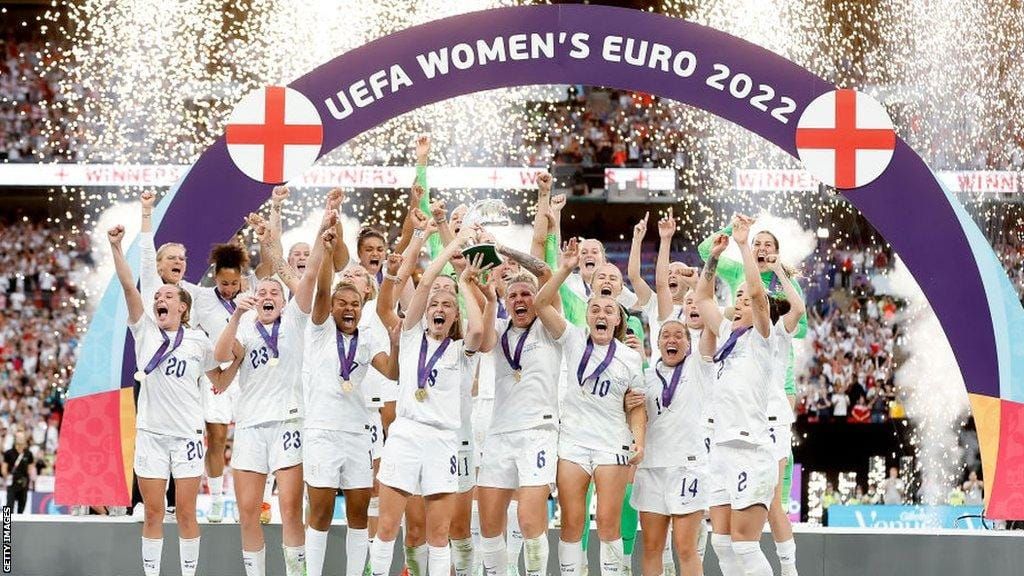
When Chloe Kelly's extra time winner hit the back of the net at Wembley Stadium in July 2022, English football changed forever.
For decades, women's football had fought for recognition, investment and media attention. The Lionesses' historic UEFA Women's Euro 2022 victory did not simply win a trophy. It transformed the sport's place in British culture.
The impact is still being felt today.
England's 2-1 victory over Germany attracted a crowd of 87,192 spectators, the largest ever attendance for a European Championship final, men's or women's.
More than 17 million people watched the match on UK television.
Millions more followed the tournament online and across social media.
Women's football had never enjoyed such visibility.
England captain Leah Williamson later reflected on the achievement, saying:
"The legacy of this tournament is change."
Few sporting predictions have proven more accurate.
The Summer That Changed Everything
Before Euro 2022, women's football was already growing.
The Women's Super League had become fully professional, attendances were increasing and television coverage was improving.
However, the tournament accelerated that growth dramatically.
England won all six matches on their way to the title.
The Lionesses scored 22 goals and conceded just two.
Beth Mead finished as the tournament's Golden Boot winner with six goals and five assists while also being named Player of the Tournament.
Every match seemed to create another headline.
Every victory attracted new supporters.
Every player became a household name.
By the time England lifted the trophy, the country was paying attention.
Record Crowds And Record Audiences
The numbers tell an extraordinary story.
The 87,192 supporters inside Wembley created a new European Championship attendance record.
The television audience became one of the most watched sporting events in British history.
Women's Super League clubs soon began reporting record ticket sales.
Arsenal Women regularly attracted crowds that would have been unimaginable just a few years earlier.
Manchester United, Chelsea and Manchester City also saw significant increases in attendance.
The growth was not confined to elite football.
Participation among girls increased across England as young supporters sought to emulate their new heroes.
The Football Association reported increased demand for grassroots opportunities, coaching programmes and youth teams following the tournament.
The Rise Of New Sporting Icons
The Lionesses became much more than footballers.
They became role models.
Leah Williamson emerged as one of the most recognisable captains in English sport.
Lucy Bronze reinforced her reputation as one of the greatest players of her generation.
Beth Mead became one of the most celebrated athletes in the country.
Chloe Kelly's winning goal created an iconic sporting image that continues to appear in highlight reels today.
For many supporters, these players represented a new era of English football.
One built on visibility, accessibility and connection with supporters.
Why Representation Mattered
One of the defining features of the Lionesses was their diversity.
The squad reflected modern Britain in a way that many supporters found relatable.
Several players were openly LGBTQ+ while others regularly spoke about equality and inclusion.
Women's football had already developed a reputation for being one of the most welcoming environments in professional sport.
Euro 2022 brought that culture to a mainstream audience.
Former England captain Casey Stoney once said:
"You can't be what you can't see."
The visibility of LGBTQ+ players during the tournament helped many young supporters feel represented.
For some fans, seeing successful athletes compete on the biggest stage while being open about who they are was every bit as important as the football itself.
The Lionesses Effect
The phrase "The Lionesses Effect" soon entered football vocabulary.
Schools reported increased interest in girls' football.
Grassroots clubs welcomed new players.
Brands and sponsors invested more heavily in the women's game.
Broadcasters expanded their coverage.
The success of Euro 2022 demonstrated something football supporters had long understood.
The audience was there.
The appetite was there.
People simply needed access.
Former England manager Sarina Wiegman frequently emphasised the importance of inspiring future generations.
That inspiration became reality.
Thousands of young girls who watched England win Euro 2022 are now playing football themselves.
Building Towards The Future
The Lionesses did not stop after Euro 2022.
England reached the Women's World Cup Final in 2023, further increasing interest in the game.
Attendances continued to grow.
Television audiences remained strong.
Investment increased.
The conversation shifted from whether women's football deserved attention to how much bigger it could become.
That may ultimately be the tournament's greatest achievement.
Euro 2022 transformed women's football from a growing sport into a mainstream sporting force.
The Lionesses inspired a generation.
They created new role models.
They changed perceptions.
And they proved that women's football belongs at the centre of the sporting landscape.
Leah Williamson called it "change".
Looking back, it is difficult to disagree.