How a One-Millisecond Software Fault Disrupted Thousands of UK Flights
A one-millisecond software fault disrupted over 2,000 UK flights. Discover what went wrong with NATS air traffic control and how aviation safety is protected.

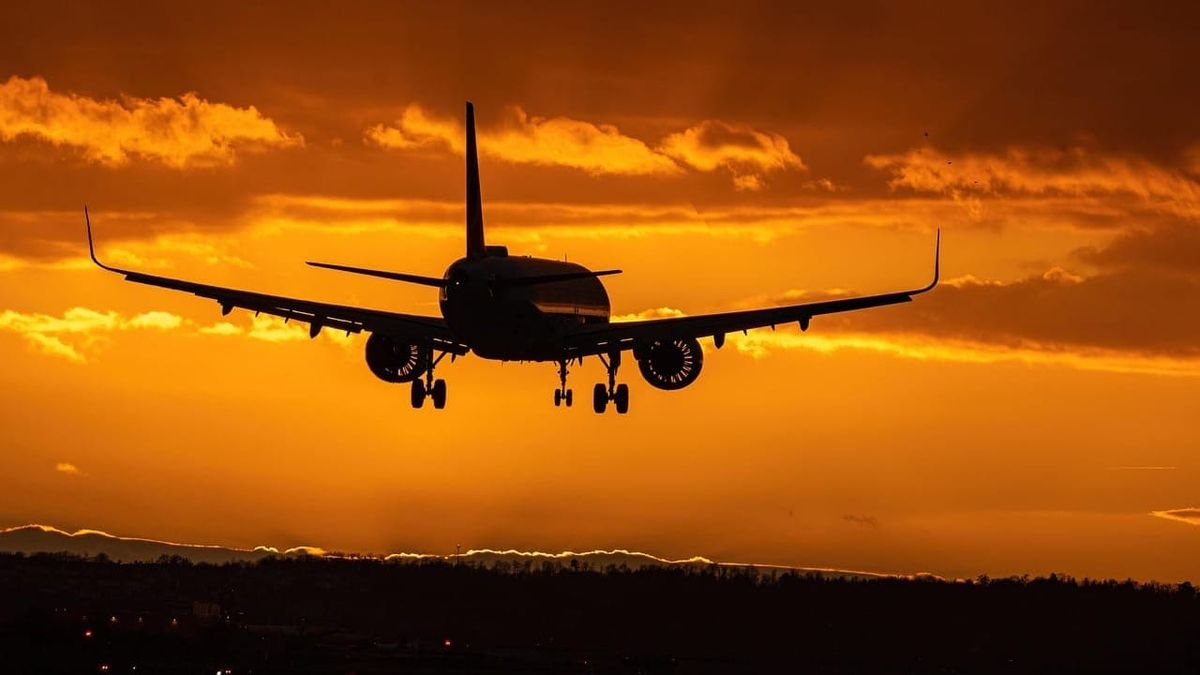
A computer error lasting just one millisecond caused widespread disruption to flights across Britain, leaving hundreds of thousands of passengers facing delays, cancellations and missed connections. The extraordinary incident has raised important questions about the technology used to manage UK airspace and how such a tiny software fault could have consequences lasting several days.
The failure occurred on 8 September 2026, affecting the National Air Traffic Services (NATS) computer system. More than 2,000 flights were delayed, cancelled or diverted, and although the immediate technical restrictions lasted approximately six hours, airlines needed more than two days to clear the resulting disruption.
What Actually Went Wrong With the Software?
The problem originated in the National Airspace System, which processes flight information and helps air traffic controllers manage aircraft travelling through British airspace.
Aircraft use four-digit identification codes, commonly called squawk codes, which help controllers identify individual flights on radar. These codes are normally allocated automatically, although controllers can also request them manually.
During the September incident, the system was processing a routine manual code request when a higher-priority computer task interrupted it. When the original task resumed, a previously unidentified software defect caused it to produce corrupted information, which then affected subsequent flight data updates.
The vulnerable sequence occurred within approximately one millisecond, or one-thousandth of a second. It demonstrates how an extremely brief programming error can affect a much larger system when different computer processes interact unexpectedly.
Why Did So Many Flights Have to Be Delayed?
Although the defect initially affected flight information used by controllers managing higher-altitude traffic from the London Area Control centre, the consequences extended across the country.
With some flight information unavailable or unreliable, controllers needed to restrict the number of aircraft entering controlled airspace. These restrictions were introduced to maintain safety while engineers investigated the fault and restored the system.
The recovery required the National Airspace System to be restarted and flight information reloaded, resulting in restrictions lasting around six hours.
However, the effects continued long after the computers were working again. Aircraft and crews were left in the wrong locations, airport schedules had been disrupted and airlines needed additional time to restore normal operations.
A separate technical incident at NATS’ Prestwick centre on 21 September caused further disruption, although it should not be confused with the earlier software defect.
Could Better Technology Prevent Another Failure?
NATS identified the September software defect and introduced measures to reduce the risk of it happening again while a permanent correction underwent safety testing.
The incident highlights why aviation computer systems require extensive testing, monitoring and recovery procedures. Even highly sophisticated software can contain defects that only emerge when unusual combinations of events occur.
Britain’s Civil Aviation Authority has launched an independent review examining the incident, the resilience of air traffic control systems and whether further improvements are needed.
The review will also consider previous recommendations, contingency arrangements and the modernisation of critical technology. An initial report is expected by the end of January 2027, with the final report due by 8 March 2027.
What Does This Mean for Passengers?
The September incident does not mean aircraft were operating without air traffic control or that passenger safety was compromised. Restrictions were imposed precisely because controllers needed to maintain safe operations while the technical problem was resolved.
Passengers affected by air traffic control disruption may be entitled to assistance from their airline, including refreshments, accommodation where necessary and alternative travel arrangements following cancellations.
Whether additional financial compensation is payable depends on the circumstances, as air traffic control restrictions can qualify as extraordinary circumstances outside an airline’s control.
For travellers, the incident is a reminder of how much modern aviation depends on complex computer systems working reliably behind the scenes. A fault lasting a fraction of a second can have consequences across an entire flight network, making investment in resilient technology and effective backup procedures essential.