Home And Away Has Featured LGBTQ+ Characters Before So Why Does Summer Bay Have None In 2026?
Home and Away has featured memorable LGBTQ+ characters over the years, but Summer Bay currently appears to have no permanent LGBTQ+ regulars on scre

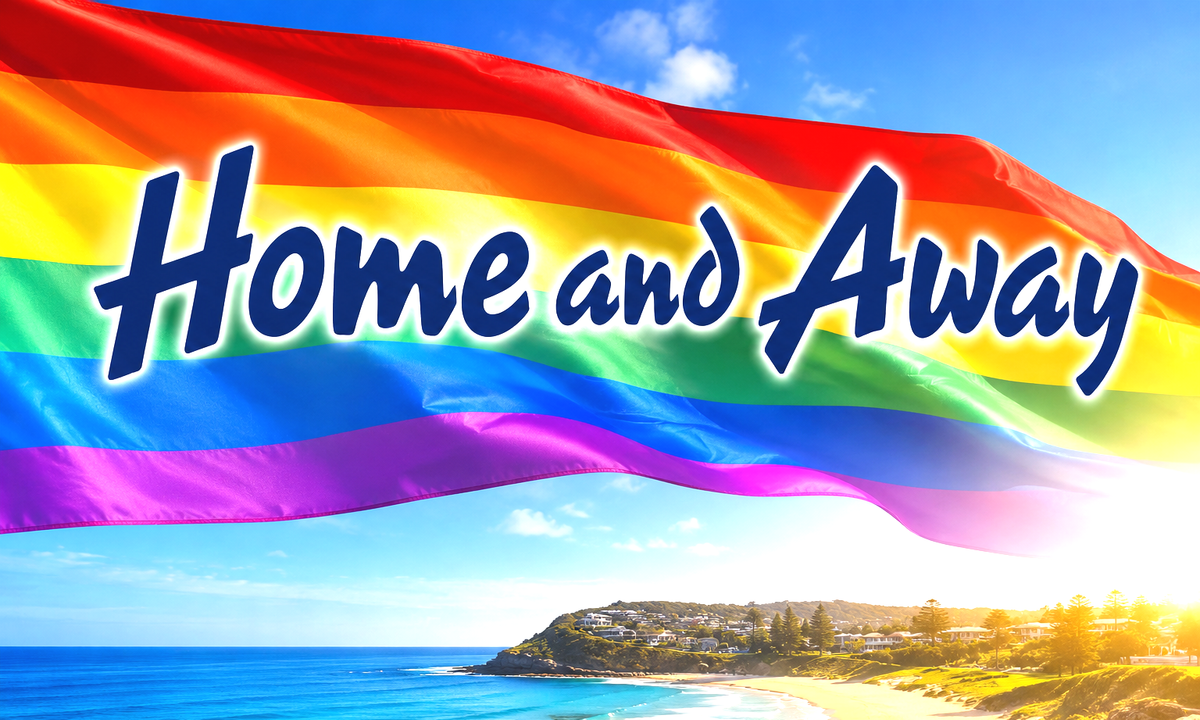
For more than three decades, Home and Away has remained one of Australia’s most successful television exports. The soap has introduced hundreds of memorable characters, tackled major social issues and built a loyal audience across Australia, the United Kingdom and around the world.
Yet one thing currently stands out to many viewers. At the time of writing, Home and Away does not appear to feature any permanent LGBTQ+ regular characters in its cast, something that may come as a surprise given the show’s history of LGBTQ+ characters and relationships.
One of the earliest examples was Shannon Reed, who appeared during the 1990s and is widely regarded as one of the show’s first LGBTQ+ characters. At a time when LGBTQ+ representation on television was far less common than it is today, Shannon’s story helped break new ground and remains an important part of the show’s history.
Years later, Charlie Buckton and Joey Collins became one of the most talked about same sex couples in Home and Away. Their relationship attracted significant attention from viewers and remains one of the most memorable LGBTQ+ storylines ever featured in Summer Bay.
The show later introduced Ty Anderson, who was promoted as one of Home and Away’s first openly gay male characters in many years. His arrival was welcomed by viewers who hoped it could mark the beginning of greater long term LGBTQ+ representation within the series.
More recently, Alex Neilson and Willow Harris formed a relationship that showed how naturally LGBTQ+ stories could sit alongside Home and Away’s wider storytelling. The pair developed a strong fan following, and their relationship continues to be remembered by viewers who became invested in their time together.
Taken individually, these storylines showed that Home and Away was willing to explore LGBTQ+ representation and that audiences responded positively to those characters. The issue is that many of those stories have ultimately been relatively short lived, with LGBTQ+ characters often leaving Summer Bay rather than becoming permanent fixtures within the community.
Unlike some other long running soaps, Home and Away has therefore never developed a consistent long term LGBTQ+ presence across multiple generations of characters. Representation has appeared at different points throughout the show’s history, but it has often disappeared again when the characters involved have moved on.
The contrast is particularly noticeable when compared with several UK soaps, where LGBTQ+ characters have become an established part of everyday storytelling. Relationships, friendships, families, careers and community stories involving LGBTQ+ characters now regularly sit alongside every other part of soap life without their sexuality needing to define every storyline.
Home and Away has already shown that it can tell LGBTQ+ stories successfully. It has done so on several occasions throughout its history, creating characters and relationships that continue to be remembered years after they left the screen.
What remains unclear is why there are currently no permanent LGBTQ+ regulars on screen. Importantly, producers have not publicly stated a reason for the current absence, which means any explanation would be speculation rather than established fact.
What can be said is that LGBTQ+ representation in Summer Bay has often arrived in waves before disappearing again when individual characters move on. That pattern is particularly noticeable because the show has already demonstrated that LGBTQ+ characters can become popular, memorable and meaningful parts of the wider Summer Bay community.
For some fans, that raises an important question about what comes next. If Home and Away has already proven that LGBTQ+ characters can work within the show, should Summer Bay once again welcome LGBTQ+ regulars and allow them to become part of its long term future?
Television continues to evolve, and audiences are becoming increasingly diverse. For viewers who want to see LGBTQ+ characters represented as permanent members of Summer Bay rather than temporary additions, the return of that representation would be a welcome development.
Whether that happens remains to be seen, but Home and Away already has decades of history proving that those stories have a place within the programme. The opportunity now is not simply to introduce another short term LGBTQ+ storyline, but potentially to build characters whose relationships, families, friendships and everyday lives can develop over many years.
What do you think about LGBTQ+ representation in Home and Away, and should the soap introduce new LGBTQ+ regulars to Summer Bay?
Which LGBTQ+ character from the show’s past would you most like to see return, and what would you like future representation on the show to look like?
Editorial note: At the time of publication, Home and Away does not appear to feature a permanent LGBTQ+ regular character, and producers have not publicly commented on the reasons for this. Any discussion regarding why this is the case should therefore be treated as opinion rather than established fact.