Hollywood director takes aim at AI as 1,000 artists bring new film to life
Laika director Travis Knight criticises generative AI ahead of Wildwood's cinema release, defending human creativity and stop-motion animation.

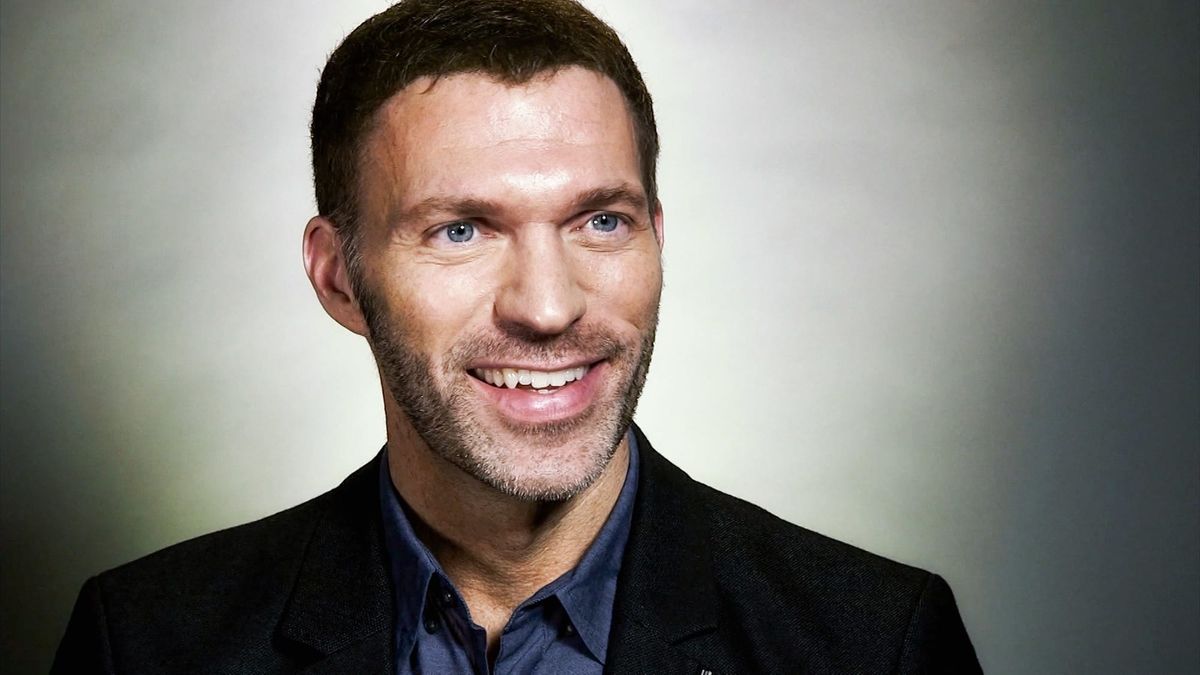
The director of a major new animated film has criticised generative artificial intelligence, arguing that it threatens the human creativity at the heart of filmmaking.
Travis Knight, chief executive of animation studio Laika, made the comments ahead of the release of Wildwood, an ambitious stop-motion fantasy arriving in cinemas on 23 October.
The film represents years of painstaking work by artists, animators and craftspeople, offering a striking contrast to the growing use of AI-generated content across the entertainment industry.
Why Laika is taking a stand against AI
Laika is the studio behind acclaimed animated films including Coraline, ParaNorman and Kubo and the Two Strings. Its productions combine physical puppets, elaborate miniature sets and modern digital techniques to create distinctive animated worlds.
Knight has described generative AI as incompatible with the studio's creative philosophy, questioning the use of systems trained on existing human-made work to produce new material.
He has not rejected technological innovation altogether, however. Laika uses advanced digital tools throughout production, but Knight believes those tools should support artists rather than replace their creative contributions.
The extraordinary work behind Wildwood
Based on Colin Meloy's fantasy novel, Wildwood follows a young girl who enters a mysterious forest after her baby brother is abducted.
The production involved more than 1,000 artists and years of development, with hundreds of handmade puppets and elaborate sets created for the film.
Its production demonstrates the extraordinary amount of work required to bring stop-motion animation to the screen, particularly when compared with digital systems capable of generating images within seconds.
For Knight, that human involvement is not simply a production method. It is central to the artistic identity of the finished film.
What this means for the future of animation
The comments come as studios and independent filmmakers experiment with generative AI for visual development, animation and other production tasks.
Supporters argue that the technology could reduce costs and expand creative opportunities, while critics raise concerns about copyright, artistic control and the potential displacement of skilled workers.
Laika's position demonstrates that the debate is not necessarily about rejecting technology. Instead, it raises the question of whether new tools should help artists realise their ideas or replace parts of the creative process altogether.
With Wildwood reaching cinemas, audiences will have an opportunity to see the results of a production built around traditional craftsmanship at a time when the future of human-led filmmaking is being widely debated.
Image credit: CNN