Google sends five AI-made films to major international festival
Google Flow and Women in Film India launch an AI filmmaking challenge with five selected short films heading to IFFI Goa in November.

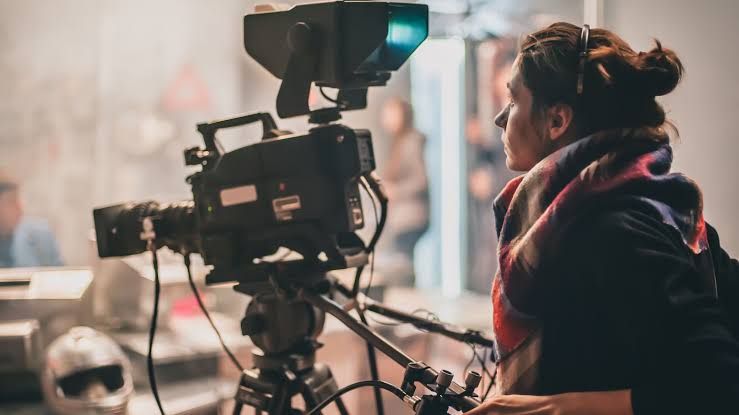
Five short films created with Google's AI filmmaking tools are heading to one of India's biggest film festivals as part of a new competition putting emerging technology directly into filmmakers' hands.
Google Flow has joined Women in Film India for the new Filmathon, challenging Indian filmmakers to create an original short of up to five minutes using AI as part of their production process.
The winners are heading to Goa
There is no required genre, leaving entrants free to make everything from romance and comedy to horror, documentaries, animation and science fiction.
What matters is that Google Flow forms part of the filmmaking process. The AI creative studio can be used to develop characters and environments, experiment with camera movement and build generated clips into longer scenes.
Crucially, the competition is putting the emphasis on filmmakers rather than simply asking who can produce the most technically impressive AI images.
Women in Film India says participants should bring their own point of view, references, humour and visual style to the project, with the technology acting as another creative tool rather than replacing the storyteller.
The biggest opportunity comes after judging. The five selected films will be showcased at the International Film Festival of India in Goa on 23 November, taking work created through the Filmathon from an AI experiment into an established film-festival environment.
Entries are open to Indian nationals aged 18 and over, with submissions closing on 24 October.
Participants do need to arrange their own access to Google Flow, as subscriptions, credits and other paid access are not being provided by the competition.
For AI filmmaking, the most interesting part may be what happens in Goa. The five winning filmmakers will get the chance to put their work in front of an audience interested in films first and technology second.