Global LGBTQ+ News Roundup: Pride, Rights And Equality Stories Making Headlines Around The World


Pride Month continues across the globe, but the biggest LGBTQ+ stories of the week show a world moving in very different directions.
In some countries, Pride events are drawing record support, football clubs are taking action against discrimination and campaigners are celebrating greater visibility. In others, governments are introducing new restrictions, lawmakers are backing tougher legislation and rights organisations are warning about the impact on LGBTQ+ communities.
This week’s headlines reach across Europe, Africa and North America, highlighting both progress and challenges as LGBTQ+ people continue to push for equality, safety and representation.
The Global Picture
The global LGBTQ+ rights landscape remains hugely divided.
According to ILGA World, 65 UN member states still criminalise consensual same sex relationships, while marriage equality is recognised in 37 UN member states. In some countries, LGBTQ+ people enjoy legal protections, anti discrimination laws and marriage rights. In others, individuals can face imprisonment, harassment or legal restrictions simply because of who they are.
That contrast helps explain why Pride Month remains more than a celebration. For many communities around the world, it continues to be a statement of visibility and a reminder that equality is not experienced equally everywhere.
Hungary Remains At The Centre Of European LGBTQ+ Debate
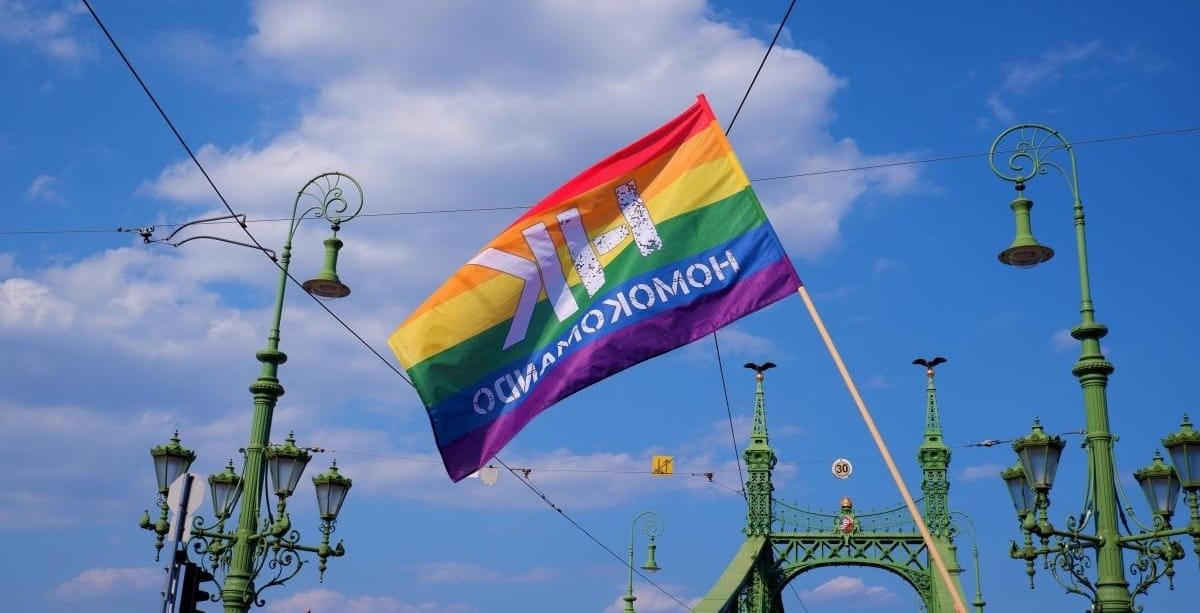
In June, Hungarian prosecutors dropped charges against Budapest mayor Gergely Karacsony over his role organising the city’s 2025 Pride march, which went ahead despite a government ban and drew more than 100,000 participants. The Budapest Chief Prosecutor’s Office had charged him in January with organising an unlawful assembly.
The decision followed a European Court of Justice ruling in April, which found that Hungary’s 2021 law restricting LGBTQ+ content breached EU law. Prosecutors cited that ruling directly, saying it meant organising Pride marches was no longer a criminal offence. Charges were also dropped against Geza Buzas-Habel, the organiser of the Pecs Pride march.
The reversal came amid a broader political shift in Hungary, after Viktor Orban’s government lost power earlier this year. Human rights groups have welcomed the decision but say it doesn’t resolve the underlying issue: the laws and constitutional amendments that targeted Pride events remain on the books and still need to be repealed to bring Hungary fully in line with EU law.
Budapest Pride organisers are continuing preparations for this year’s march, with supporters describing it as both a celebration of LGBTQ+ identity and a demonstration in support of freedom of expression.
The significance of Hungary’s ongoing debate reaches beyond its borders. As a member of the European Union, legal and political developments in Hungary are often closely followed elsewhere, making the country an important barometer for wider conversations about LGBTQ+ rights across Europe.
Spanish Football Club Praised After Supporting Gay Couple

One of the most positive stories of the week came from Spain.
Athletic Club supporters Alejandro Vigara and Alvaro Cabezas attracted international attention after a photograph of the pair sharing a kiss at San Mames Stadium went viral online.
The image was widely praised by football supporters around the world, but it also attracted homophobic abuse on social media.
Rather than ignoring the situation, Athletic Club responded by inviting the couple to speak with young academy players about diversity, inclusion and the impact discrimination can have on people’s lives.
The club’s actions received widespread praise and were highlighted as an example of how football organisations can actively challenge homophobia rather than relying solely on statements and campaigns.
Football has made significant strides in promoting inclusion over recent years, yet incidents of homophobic abuse continue to occur across the sport.
The story has become an example of how clubs can use their influence positively, helping to create a more welcoming environment for LGBTQ+ supporters while encouraging future generations of players to embrace diversity.
Niger Criminalises Same Sex Relationships
One of the most concerning developments came from Niger.
The country has introduced legislation criminalising consensual same sex relationships, prompting criticism from human rights organisations and LGBTQ+ advocacy groups.
Campaigners have described the move as a significant setback for LGBTQ+ rights in West Africa, warning that criminalisation can increase fear, discrimination and social exclusion.
Legal changes such as these often have consequences beyond criminal law. They can affect access to healthcare, employment opportunities, housing, education and personal safety.
Human rights groups have also warned that legislation introduced in one country can sometimes influence debates elsewhere in a region, creating concern about similar measures being proposed in neighbouring states.
The decision means Niger joins a number of countries where same sex relationships remain criminal offences despite growing international calls for decriminalisation and equal treatment under the law.
Campaigners fear the legislation could have wider consequences if neighbouring countries choose to follow a similar path.
African Lawmakers Back Tougher Anti LGBTQ+ Measures
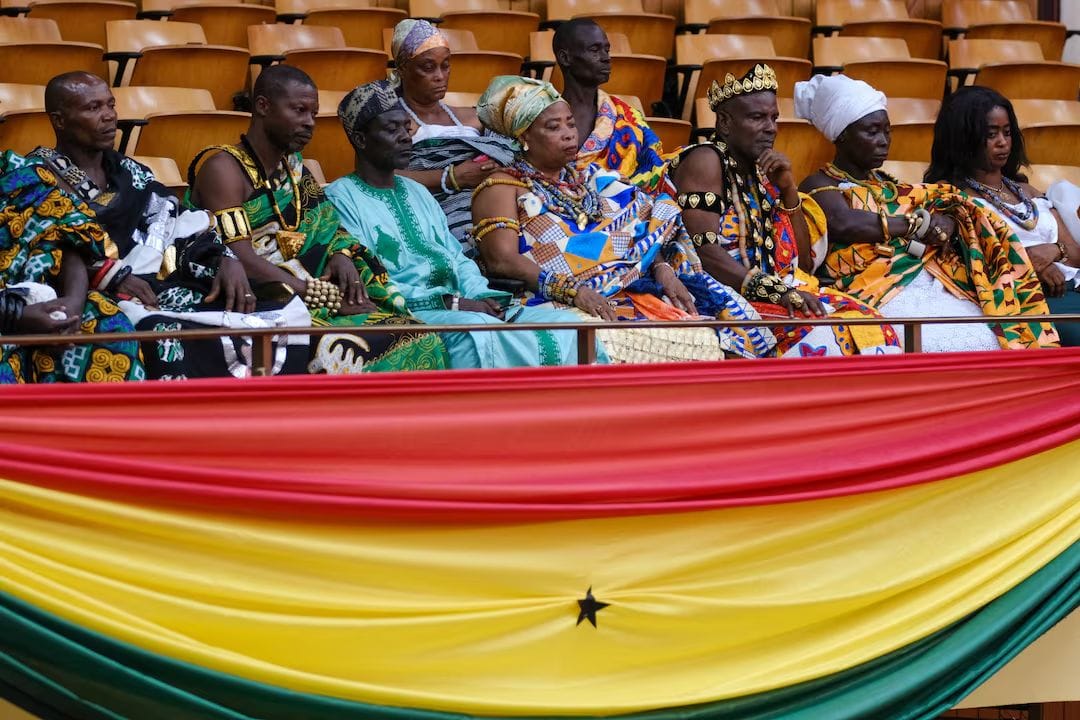
Another major story emerged from Ghana, where lawmakers and political representatives from 20 African countries gathered for a conference focused on family values and national sovereignty.
Participants voiced support for stronger anti LGBTQ+ legislation across parts of the continent, drawing concern from human rights organisations and public health experts.
Supporters argued that countries should be free to determine their own social policies and cultural values without external pressure.
Critics however, warned that laws targeting LGBTQ+ communities can increase discrimination and make people less likely to access healthcare services or report abuse.
The conference attracted international attention because it demonstrated how political movements across different countries are increasingly sharing strategies, language and legislative approaches.
For LGBTQ+ campaigners, the event highlighted the importance of monitoring developments beyond individual countries, as debates over equality and rights are increasingly taking place on a regional and international level.
Seattle World Cup Pride Match Sparks International Discussion
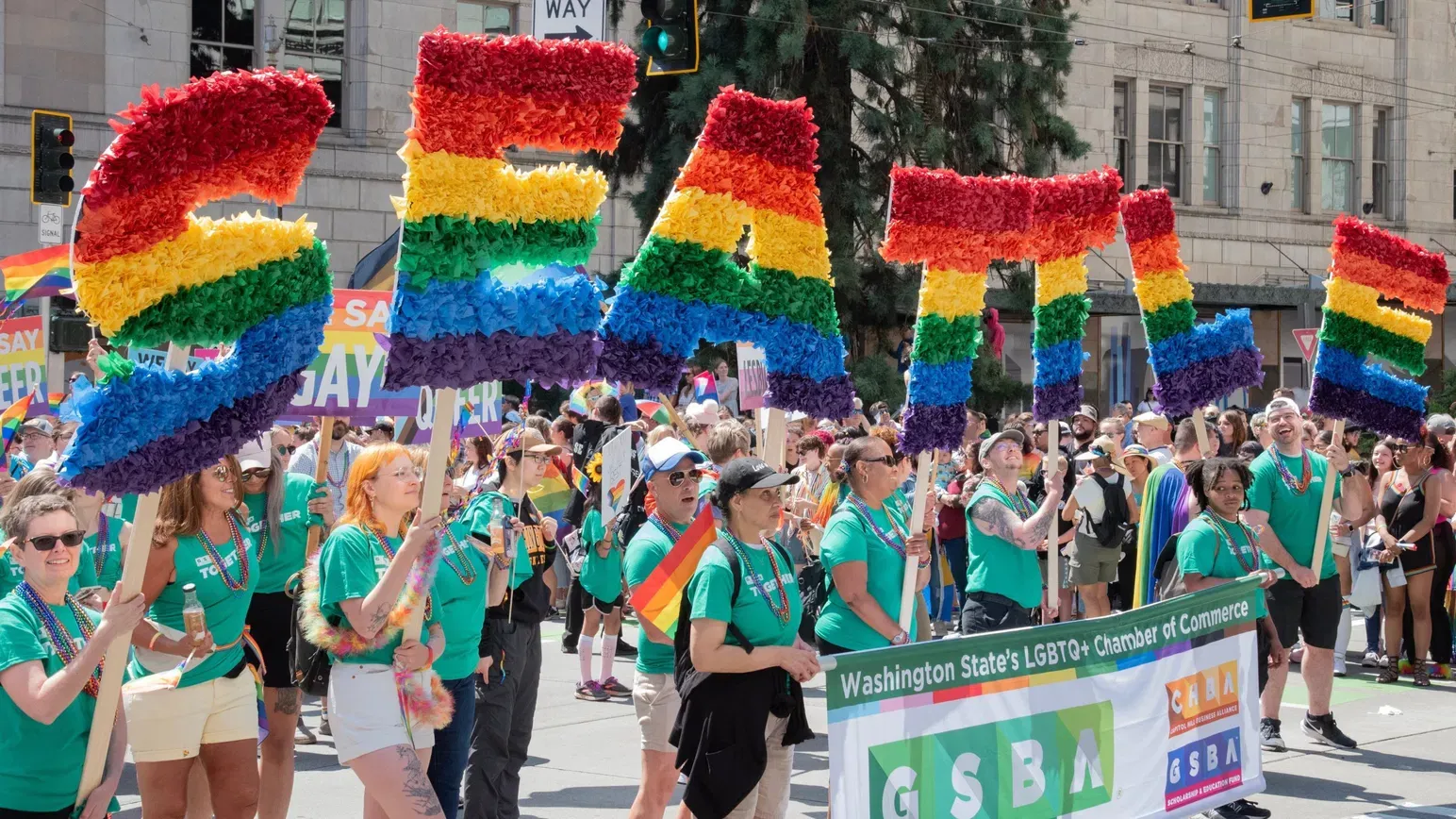
The 2026 FIFA World Cup has become part of the global LGBTQ+ conversation following plans for Pride themed celebrations around a group stage match in Seattle.
The fixture involving Iran and Egypt attracted international headlines after objections were raised to Pride related branding and events connected to the match.
Seattle has a long history of supporting LGBTQ+ visibility and organisers have said celebrations will continue as planned.
The story highlights one of the challenges facing major international sporting events. Teams and supporters from countries with very different laws and attitudes towards LGBTQ+ rights are brought together on a global stage.
For many LGBTQ+ football supporters, the discussion represents more than a single football match. It raises broader questions about inclusion, visibility and how sporting organisations balance cultural differences while promoting equality.
With the World Cup attracting billions of viewers worldwide, the debate demonstrates how LGBTQ+ inclusion remains a significant issue within global sport.
The World Cup Also Highlights A Global Equality Gap
The Seattle discussion has also drawn attention to a wider issue.
Research examining the nations competing at the 2026 FIFA World Cup found that several participating countries continue to criminalise consensual same sex relationships.
While some nations have introduced marriage equality and anti discrimination protections, others maintain laws that place legal restrictions on LGBTQ+ people.
The contrast demonstrates how differently LGBTQ+ individuals are treated around the world.
For some supporters, attending a football match while displaying rainbow symbols is entirely normal. In other countries, openly expressing LGBTQ+ identity can carry serious legal and social consequences.
As one of the world’s biggest sporting events, the World Cup provides a unique snapshot of the very different realities LGBTQ+ people face depending on where they live.
Türkiye Faces Criticism Over Proposed Changes
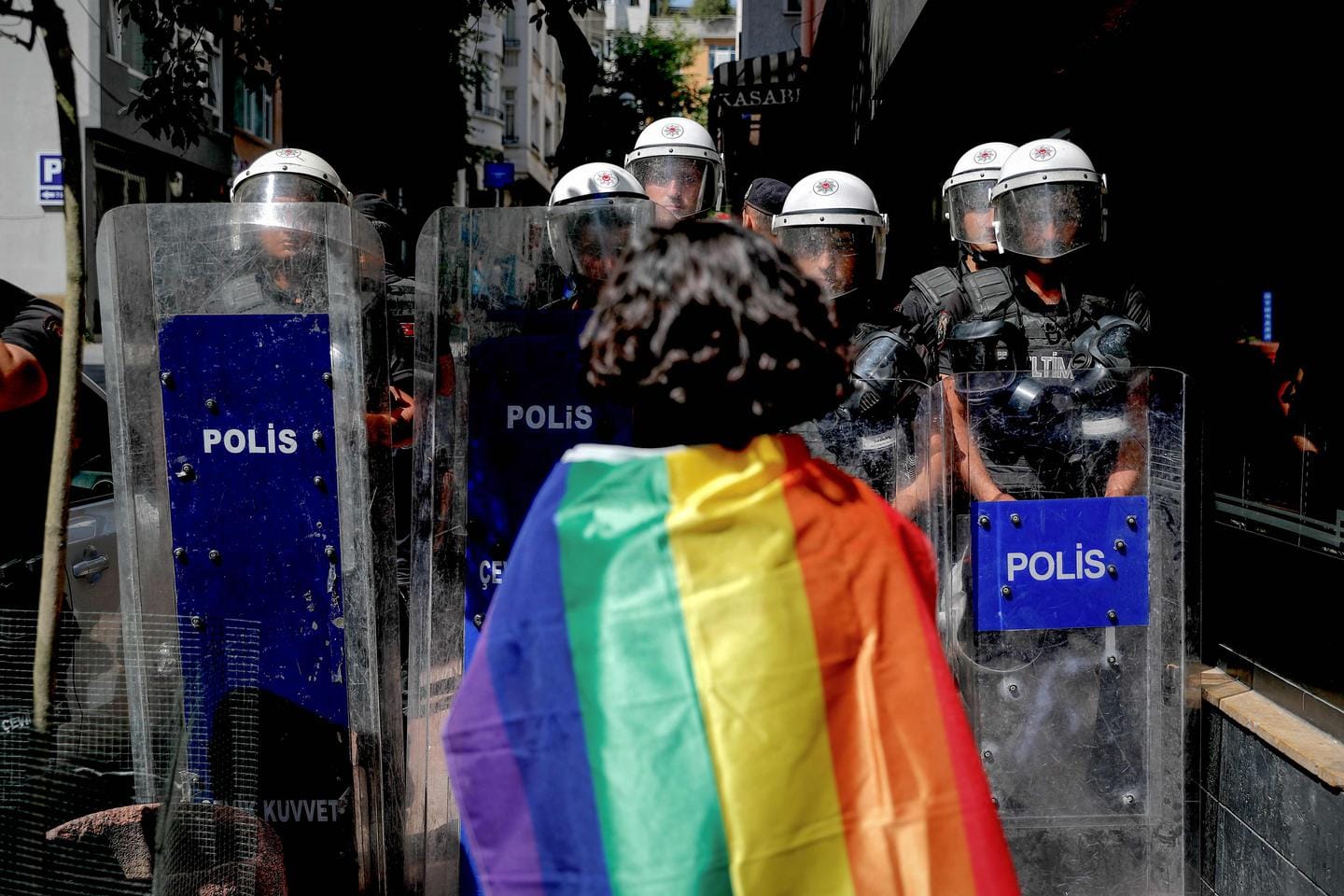
Human rights organisations have also raised concerns about proposed legal changes in Türkiye that campaigners say could further restrict LGBTQ+ rights and gender affirming healthcare.
The country has already experienced repeated controversies surrounding Pride events, with several marches facing restrictions and police intervention in recent years.
Campaign groups argue that the latest proposals risk increasing discrimination and making life more difficult for LGBTQ+ people.
Supporters of the measures have defended them as necessary social policies.
The situation reflects a wider trend seen in several countries where LGBTQ+ rights have become increasingly prominent political issues.
International rights organisations are closely monitoring developments because of the potential impact on LGBTQ+ visibility, healthcare access and freedom of expression.
What This Week’s Headlines Tell Us
One theme runs through many of this week’s stories: visibility.
In Spain, visibility was celebrated and supported by a major football club. In Seattle, it became part of an international debate linked to one of the world’s biggest sporting events. In Hungary, it remains politically contested. In parts of Africa, lawmakers continue to argue over whether LGBTQ+ people should have the same legal protections as everyone else.
That contrast explains why Pride Month remains important.
While progress continues in many countries, equality is still not guaranteed for millions of LGBTQ+ people around the world. Some communities are gaining greater acceptance and stronger protections. Others continue to face legal restrictions, discrimination and political opposition.
The global picture in 2026 is therefore not simply one of progress or decline.
It is both at the same time.
Sources
Reuters, Human Rights Watch, Human Dignity Trust, ILGA World, Outsports, Athletic Club, Seattle Pride & FIFA