Gay Thriller Blue Film Divides Audiences With One of the Year’s Most Controversial LGBTQ+ Stories
Kieron Moore and Reed Birney star in controversial LGBTQ+ thriller Blue Film, a disturbing drama exploring sex work, trauma, power and a deeply unsettling connection to the past.


Trigger warning: This article discusses child sexual abuse, sexual violence, trauma, sex work and other disturbing themes featured in Blue Film.
Blue Film is arriving in the UK with a reputation for being one of the most controversial LGBTQ+ films of the year, and much of the reaction has focused on just how uncomfortable its central story is.
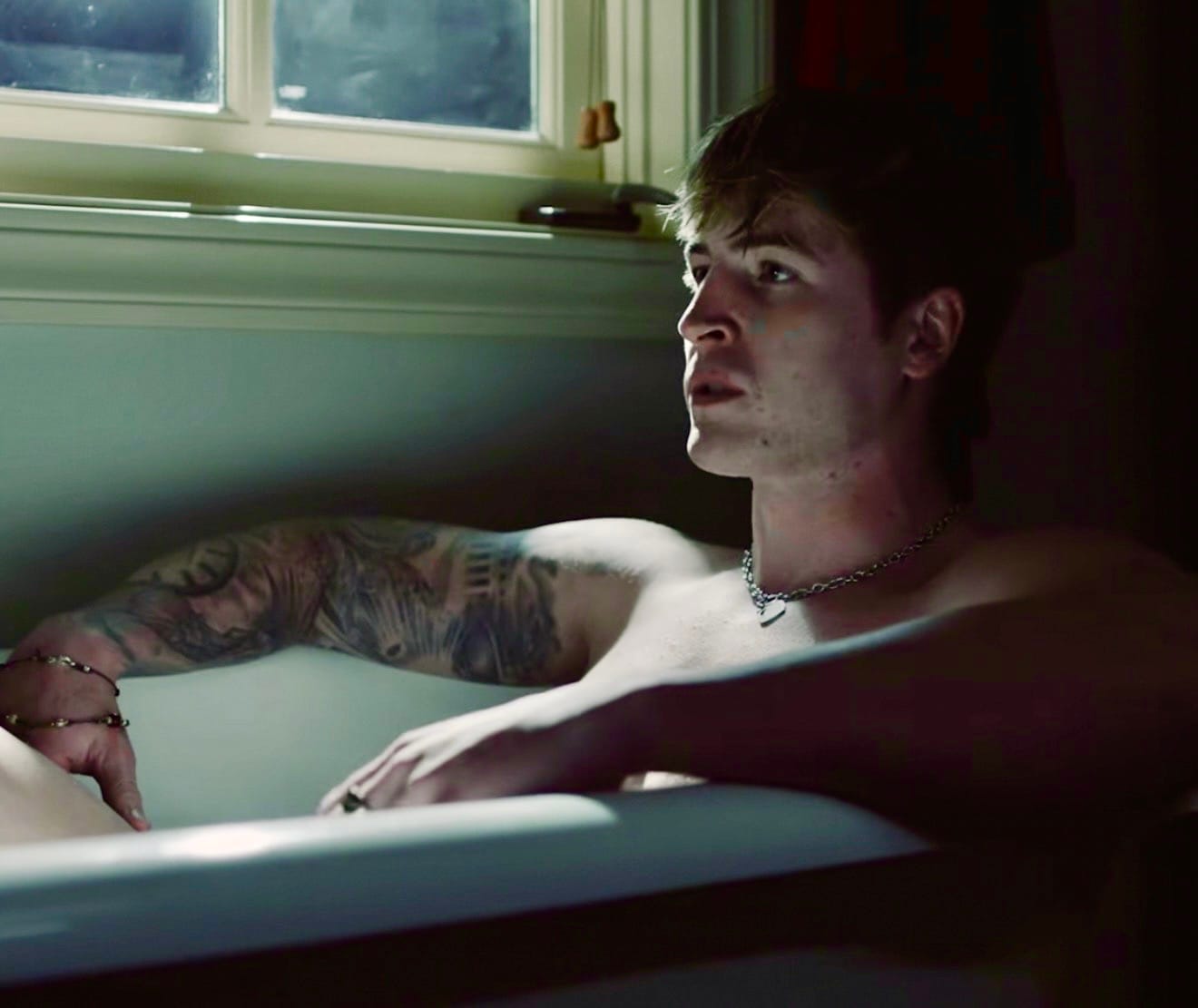
Written and directed by Elliot Tuttle, the psychological drama stars British actor Kieron Moore as Aaron Eagle, a Los Angeles camboy who has built an online persona around confidence, control and sexual performance. That control begins to disappear when an anonymous client offers him $50,000 to spend a night at a rented house.
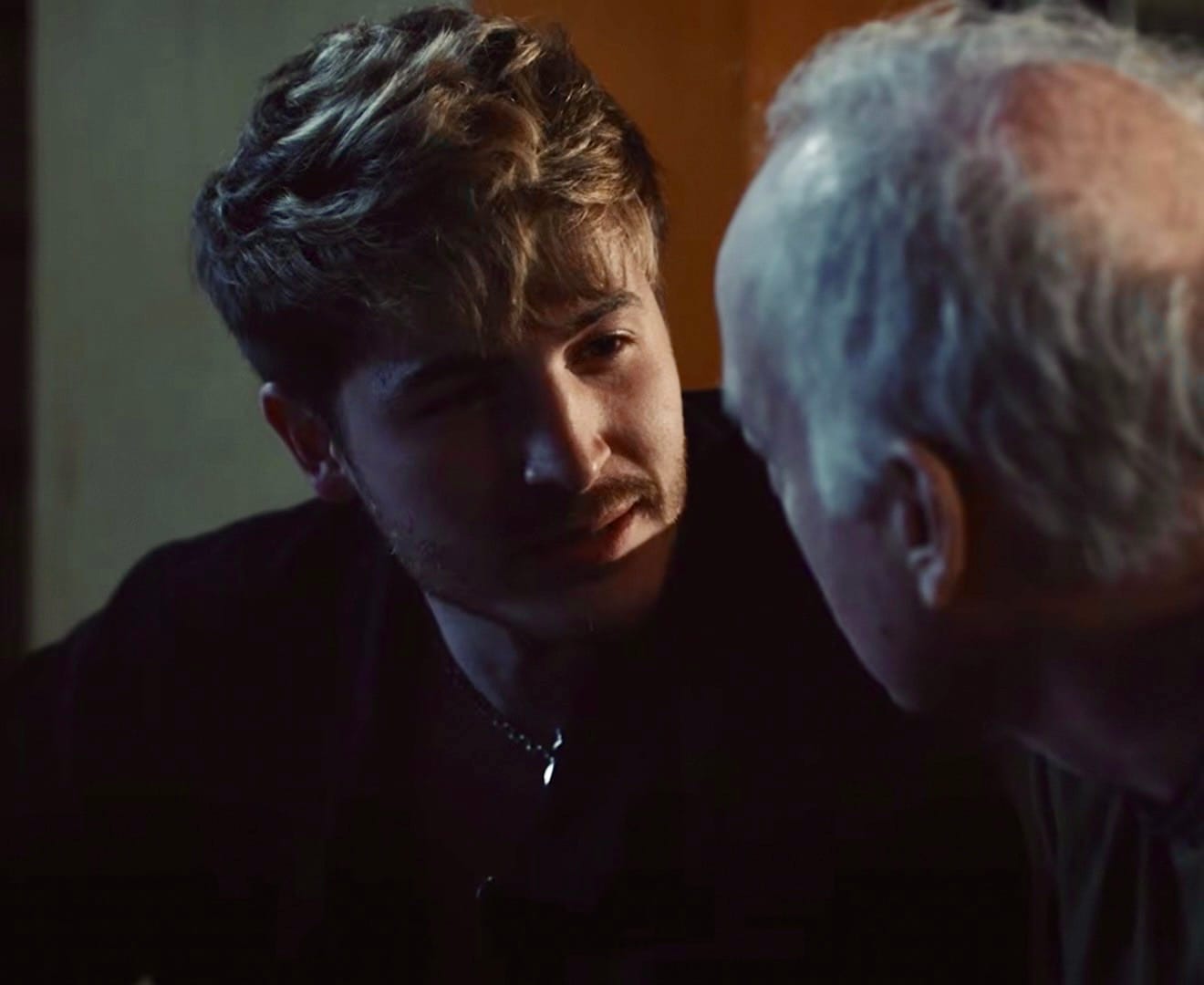
Waiting for Aaron is a masked older man played by Tony Award winner Reed Birney. Instead of the encounter Aaron expects, the client begins filming him and asking increasingly personal questions before revealing that he knows details about Aaron’s childhood.
The film’s most disturbing revelation is that Aaron recognises the man as a former teacher with a criminal history involving the sexual abuse of a child. From that point, Blue Film becomes a tense confrontation about trauma, memory, desire, power and the ways people try to understand experiences that have shaped them.
That subject matter is also at the centre of the controversy surrounding the film. The Guardian reported audience walkouts at screenings, while Tuttle has spoken about major festivals rejecting the project before it eventually found an audience. The same review praised the performances while describing the film as deeply disturbing.
Other critics have responded far more enthusiastically. Little White Lies awarded Blue Film five out of five for both enjoyment and retrospect, while Them described it as the best film of the year so far when reviewing its US release. That gap in reaction says a lot about the film itself, because this is clearly designed to provoke debate rather than offer an easy or comfortable viewing experience.

For LGBTQ+ audiences, Blue Film is very different from the positive romances and coming out stories that dominate much of current representation. It places a gay sex worker at the centre of a deliberately difficult psychological drama and explores sexuality alongside loneliness, consent, trauma and control.
The BBFC has given Blue Film an 18 certificate and warns of references to child sexual abuse and sexual violence, alongside strong sex and drugs. The UK cinema version runs for around 85 minutes and is distributed by Peccadillo Pictures.
Blue Film is likely to remain divisive, but that controversy is also what makes it stand out.
It is not trying to be comfortable LGBTQ+ representation, and the sharply different reactions from critics and audiences suggest it will continue generating discussion as more UK viewers see it.