From Cinema to AI, How Lesbian Storytelling Is Changing
From iconic lesbian films to Swarla and Sukeve on UK soaps and exciting AI-created series, discover how lesbian storytelling continues to evolve.


Lesbian stories have travelled a long way from the margins of cinema to the centre of some of television’s most talked-about relationships. From cult films that challenged convention to the romances captivating soap fans today, audiences have embraced stories that feel real, complicated and worth investing in.
Now, a new generation of AI-created films and series is opening up another possibility: what happens when LGBTQ+ creators have more freedom to bring their ideas to life?
The journey has never been simply about putting lesbian characters on screen. It is about giving them stories worth telling, relationships audiences can believe in and the space to be funny, ambitious, flawed, romantic and complicated.
From landmark films to familiar British soaps and independent AI-generated projects, lesbian storytelling continues to find new ways to reach audiences.
The films that helped change lesbian storytelling
Some films have become landmarks because they put lesbian relationships at the heart of the story rather than treating them as a subplot.
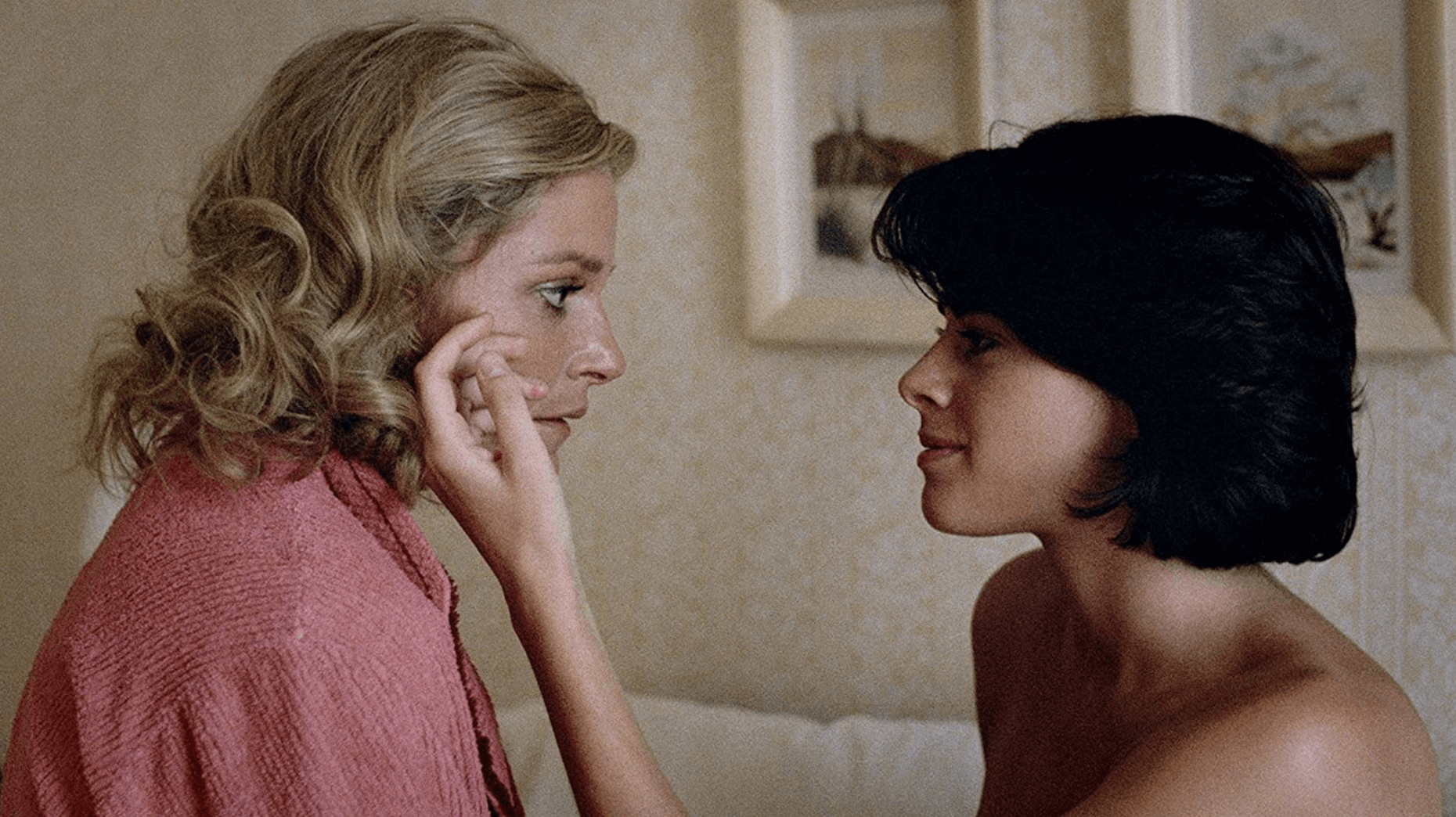
Desert Hearts (1985) offered a tender romance set in 1950s Nevada, while Bound (1996) brought lesbian desire into a stylish crime thriller, challenging expectations about both queer women and the kinds of stories they could lead.
But I'm a Cheerleader (1999) used colourful satire to confront attempts to change people's sexuality, becoming a cult favourite with its distinctive style and sharp humour. Imagine Me & You (2005) brought lesbian love into the familiar territory of romantic comedy, following a woman whose life changes when she meets someone unexpected.
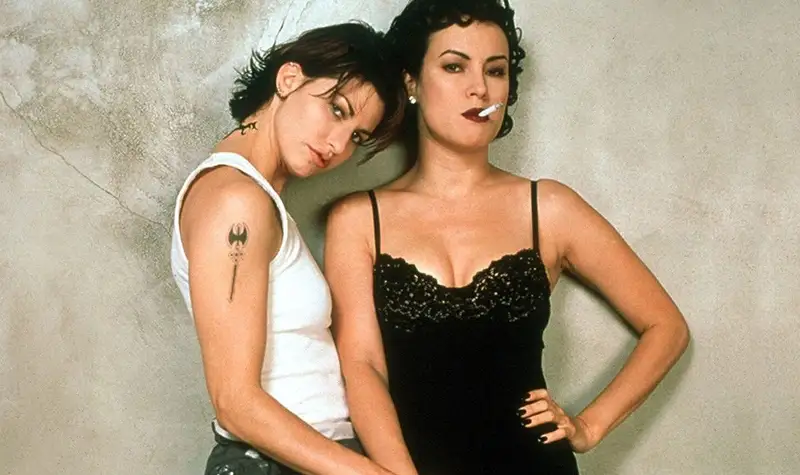
These films are very different, but their lasting appeal reflects something important: lesbian stories do not belong to a single genre. They can be romantic, funny, suspenseful, joyful or heartbreaking. Most importantly, they can be about much more than sexuality alone.
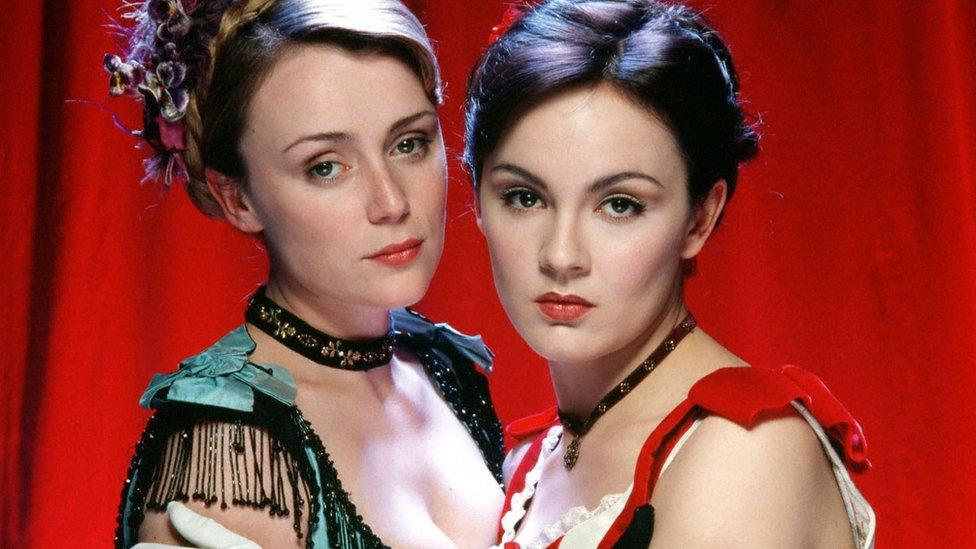
Television expanded those possibilities. Tipping the Velvet brought Sarah Waters' historical novel to the screen, while The L Word made lesbian lives, friendships and relationships the centre of an ongoing drama.
Orange Is the New Black introduced a broad audience to a varied cast of women whose sexuality formed part of their lives without defining every aspect of their identities.
Willow and Tara's relationship in Buffy the Vampire Slayer also became an important touchstone for viewers who wanted to see a same-sex romance develop within a mainstream series.
Representation has not always been perfect. Lesbian characters have too often been reduced to stereotypes, defined by tragedy or written out just as audiences became invested in them.
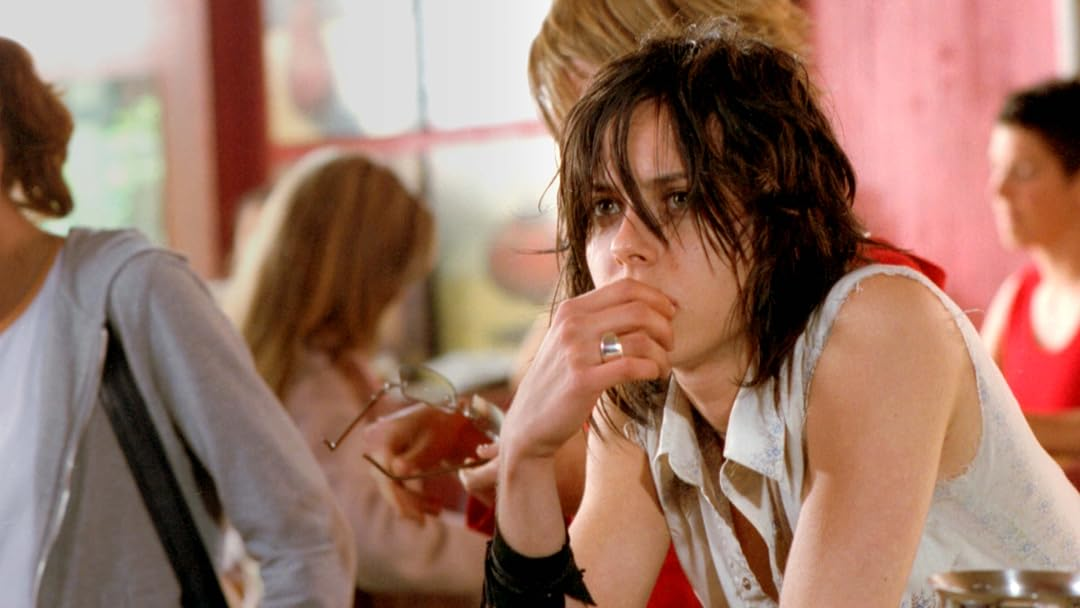
Greater visibility matters, but so does the quality of the writing. Viewers deserve characters with agency, friendships, ambitions and futures, including the possibility of happiness.
Why we love lesbian representation on UK soaps
Some of the most engaging lesbian storytelling on television can be found in British soaps, where relationships have the space to develop over months and years.
Viewers become invested in the characters, their families and their futures, with romance woven into the wider drama of work, friendships, personal challenges and everyday life.
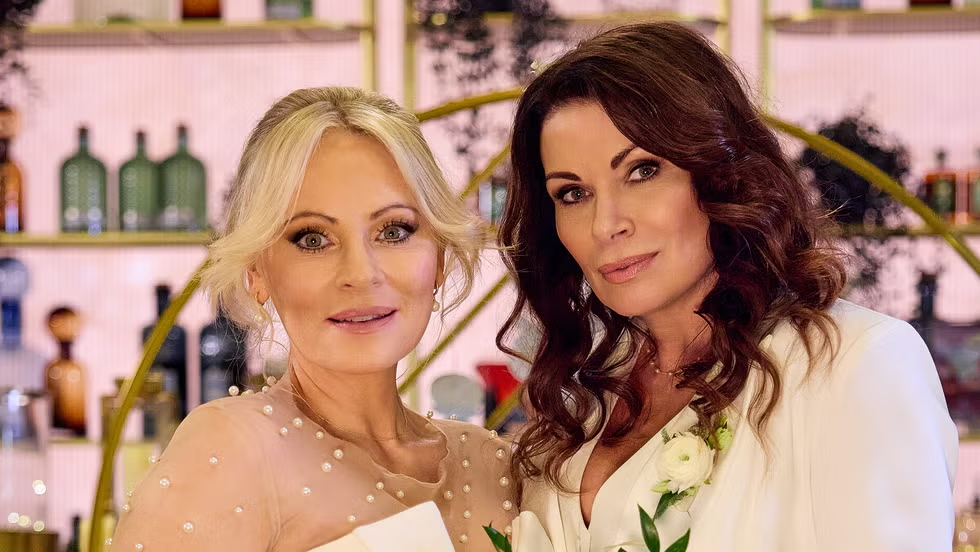
Coronation Street has explored different WLW relationships, from Sophie Webster and Sian Powers to Nina Lucas and Asha Alahan. Today, Carla Connor-Swain and Lisa Connor-Swain, known affectionately to fans around the world as Swarla, are attracting plenty of attention.
Carla being the iconic businesswoman, while Lisa arrived as a dedicated Detective Sergeant whose formidable nature is matched by a caring side. Now married, they are building a family life with daughter, Betsy, amid the extraordinary twists that come with living on the cobbles.
From hospital visits, kidnappings and car crashes to the astonishing return of Lisa’s supposedly dead wife, their relationship has faced no shortage of drama. Yet Swarla’s appeal goes beyond the latest crisis, with two established characters balancing their careers, family responsibilities and life together.
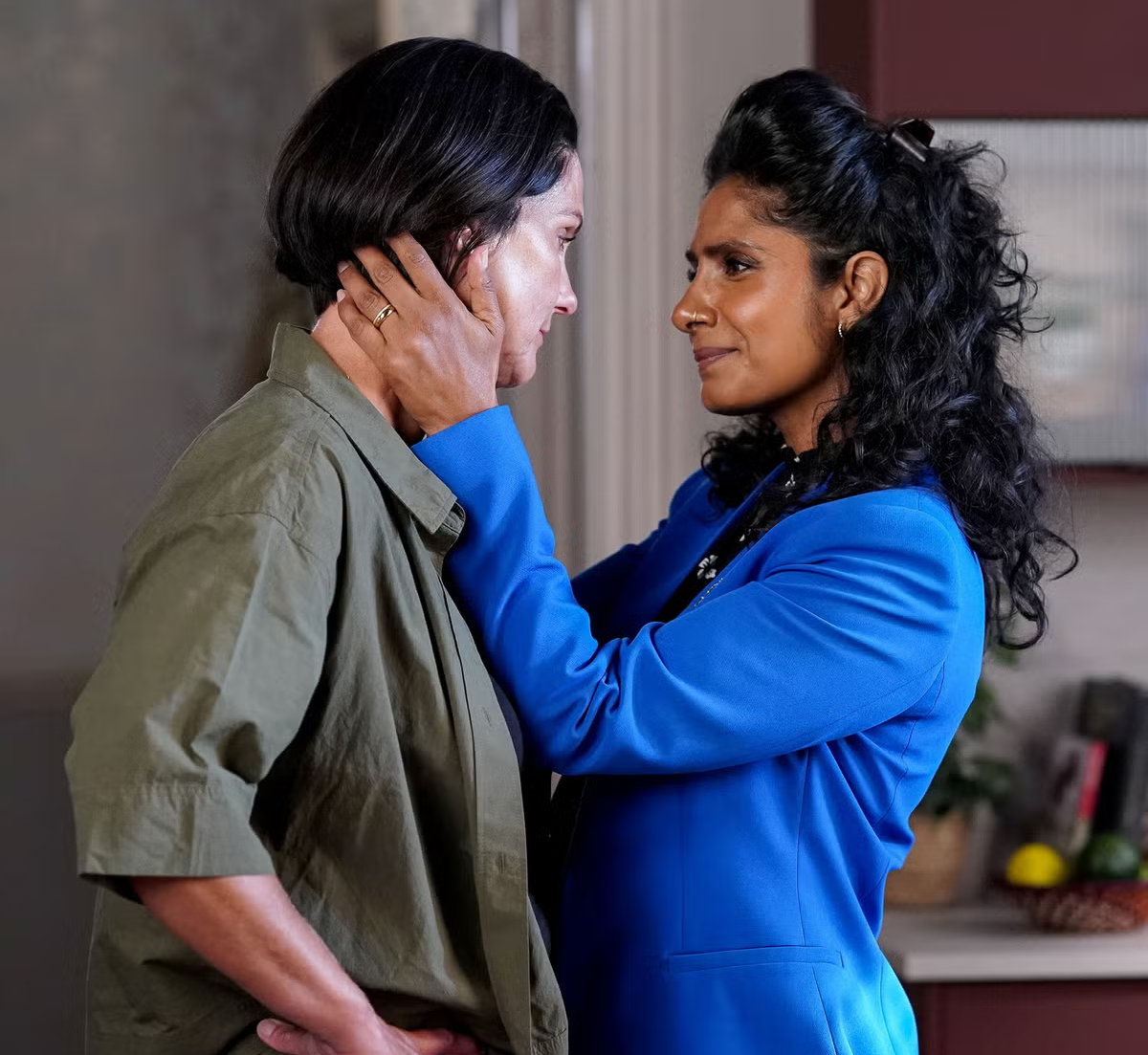
In EastEnders, Suki Panesar and Eve Unwin, affectionately known as Sukeve, have also become a much-loved pairing. Their relationship has been an important part of Suki’s journey towards embracing her sexuality and challenging the expectations placed upon her by her family and community.
Eve’s warmth and determination complement Suki’s strength, while their adoption storyline opens up a new chapter as they consider building a family together. Their story has brought lesbian representation into conversations about identity, belonging and what a shared future can look like.
Emmerdale has made its own important contribution to lesbian visibility, thanks in large part to the late Leah Bracknell. The actress, who died in 2019 aged 55, made soap history as Zoe Tate when the character came out as a lesbian in 1993, becoming the first regular lesbian character in a mainstream British soap. Bracknell’s portrayal helped bring lesbian representation into millions of homes, and Zoe’s place in television history remains an important part of the brilliant actress’s enduring legacy.
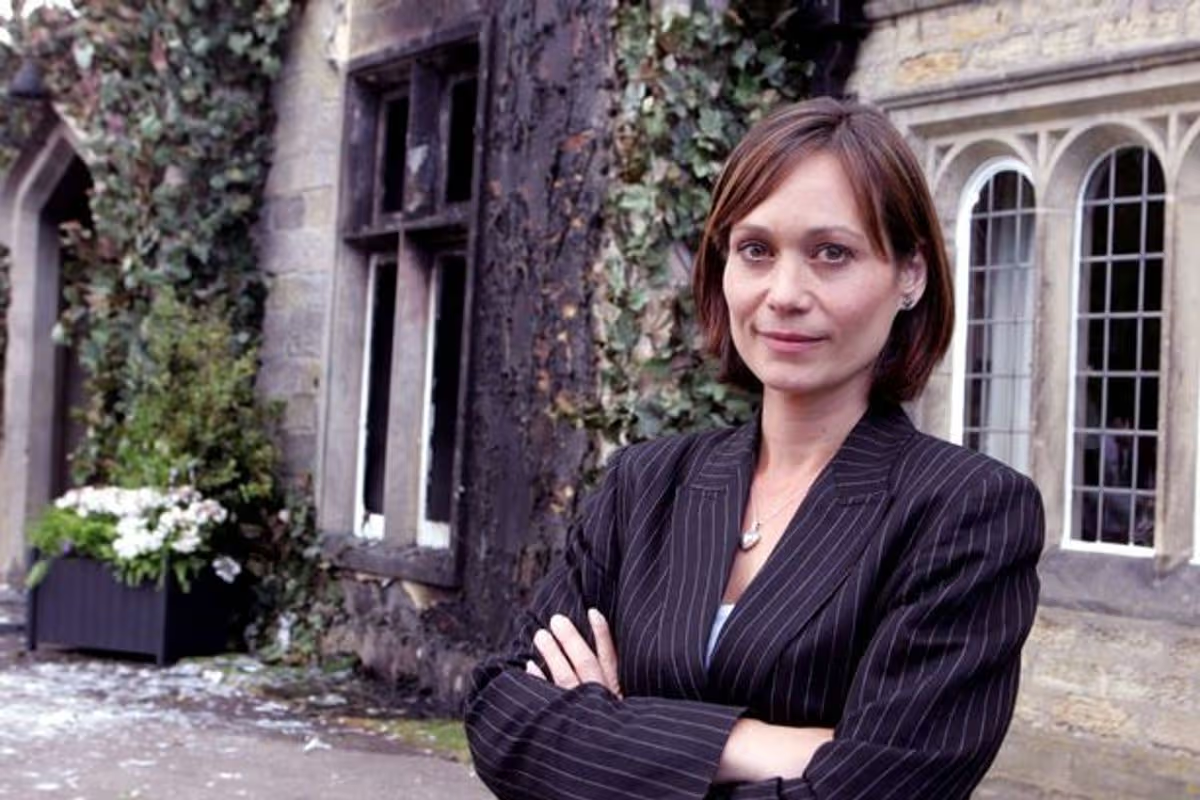
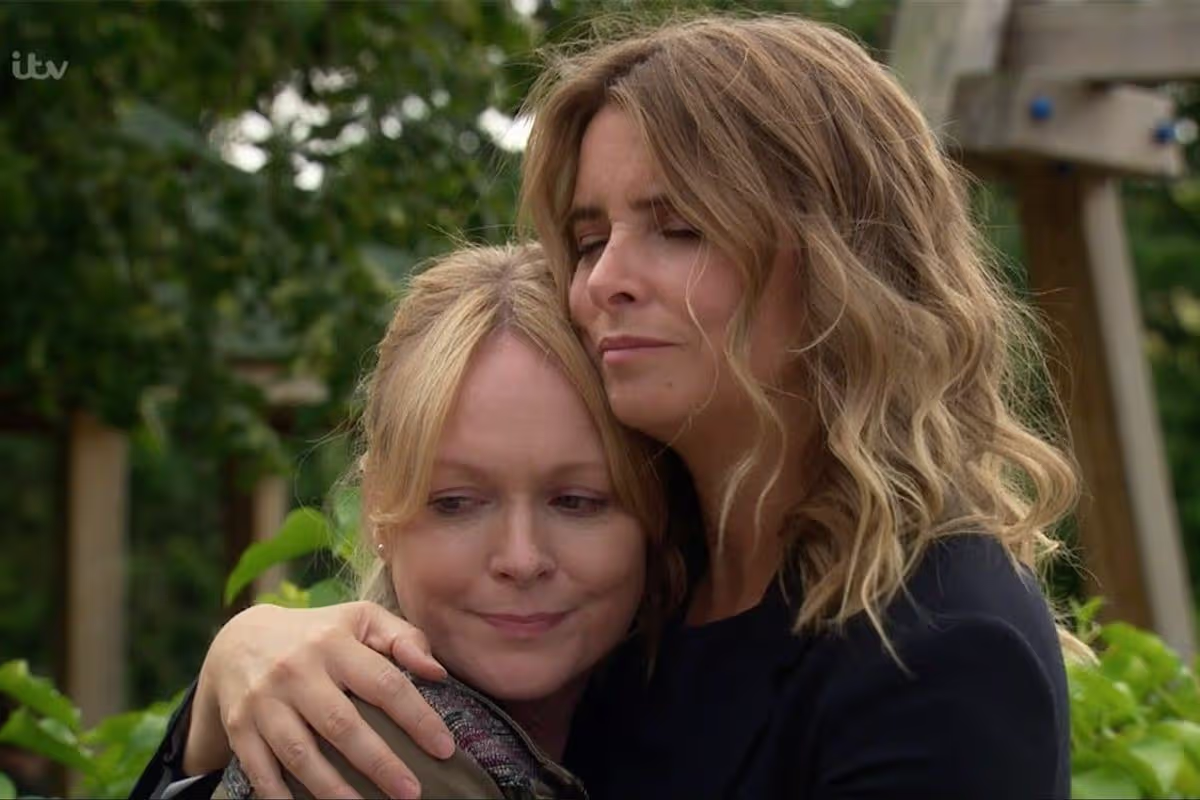
Her storylines and relationships helped bring lesbian representation to a wide audience at a time when it was far less common on television. Later, Charity Dingle and Vanessa Woodfield became a prominent couple, known as Vanity, while Mary Goskirk has continued to bring lesbian representation to the village.
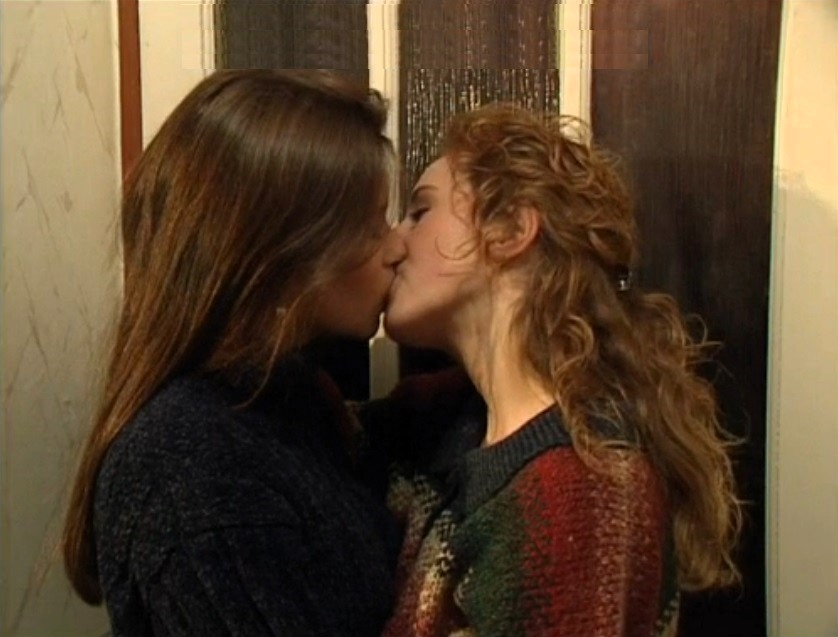
And lets not forget Brookside making television history in 1994 with Beth Jordache’s kiss with Margaret Clemence, one of British television’s most famous lesbian kisses, helping pave the way for greater LGBTQ+ visibility on screen.
Hollyoaks has also long been a trailblazer for LGBTQ+ representation, giving audiences a wide range of lesbian characters and relationships over the years. Its willingness to explore coming out, first love and the complexities of identity has helped make LGBTQ+ stories a valued part of the soap’s history.
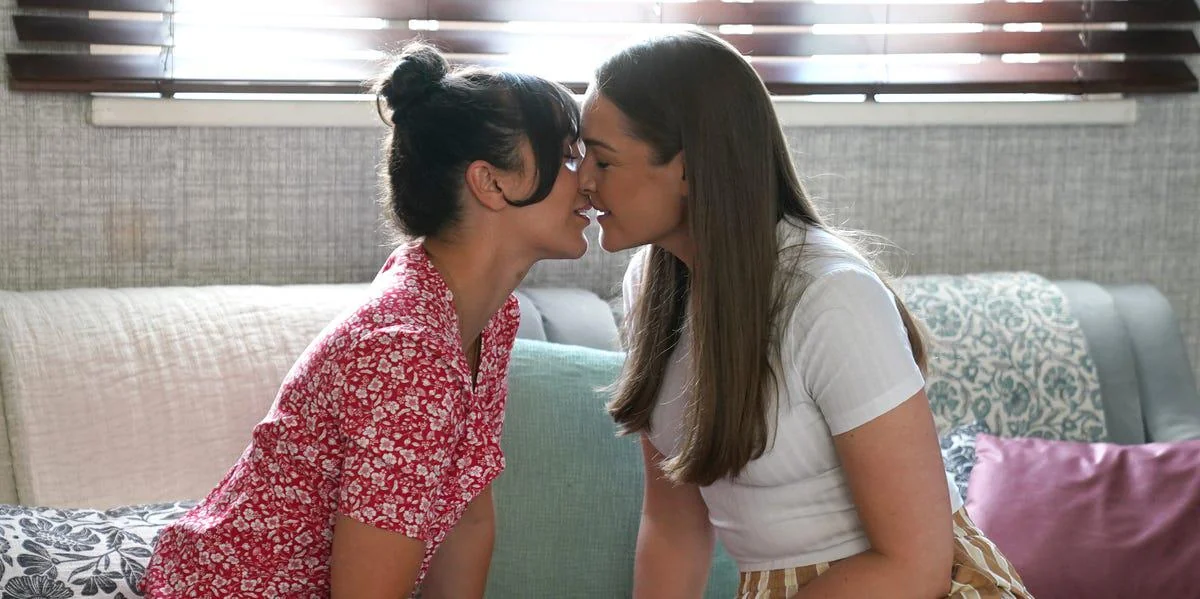
We love seeing lesbian relationships woven into familiar communities. Swarla, Sukeve and the characters who came before them have given audiences relationships to invest in, showing lesbian women as part of everyday life, from family and friendships to work and romance.
There is always room for greater diversity and more stories across generations, but this progress deserves celebrating.
Audiences have more ways to find their stories
The television landscape is changing, and so are the ways people discover new programmes. Traditional broadcasters now compete with streaming platforms and independent online productions, giving audiences more choice about what they watch and when.
Ofcom's Media Nations 2026 report found that 26% of viewers turned to Netflix first when looking for something to watch, compared with 25% who chose the BBC and 15% who chose ITV. These figures underline the importance of a viewing landscape where audiences move between services rather than relying on one channel or schedule.
For lesbian storytelling, this creates opportunities as well as challenges. A production no longer has to fit the traditional television model to find an audience. Streaming services, online platforms and social media can help independent creators connect directly with people seeking stories that reflect their experiences and interests.
More choice does not automatically guarantee better representation, of course. Programmes can still be cancelled, characters can disappear and diverse stories can struggle to secure funding. Yet the growing range of ways to make and watch entertainment means there are more routes for original ideas to reach the people who want them.
AI-created series are bringing new creative possibilities
One development we are particularly interested in is the emergence of AI-created entertainment.
The technology is opening up new ways for independent creators to experiment with characters, visual storytelling and formats, potentially helping ideas reach an audience without following the conventional route through a broadcaster or production company.
That is an exciting prospect for LGBTQ+ storytelling. Creators with distinctive ideas may be able to explore subjects and relationships that they feel are overlooked by mainstream commissioning.
AI tools can help them develop a visual style, build a fictional world or bring a concept to life in ways that might previously have been difficult to achieve independently.
We have already featured a growing range of AI-created projects on our website including The Impossible Plant, Samsarah, Almost Out Loud, Icebreaker, Traust du mir? and High Tides, and many more...
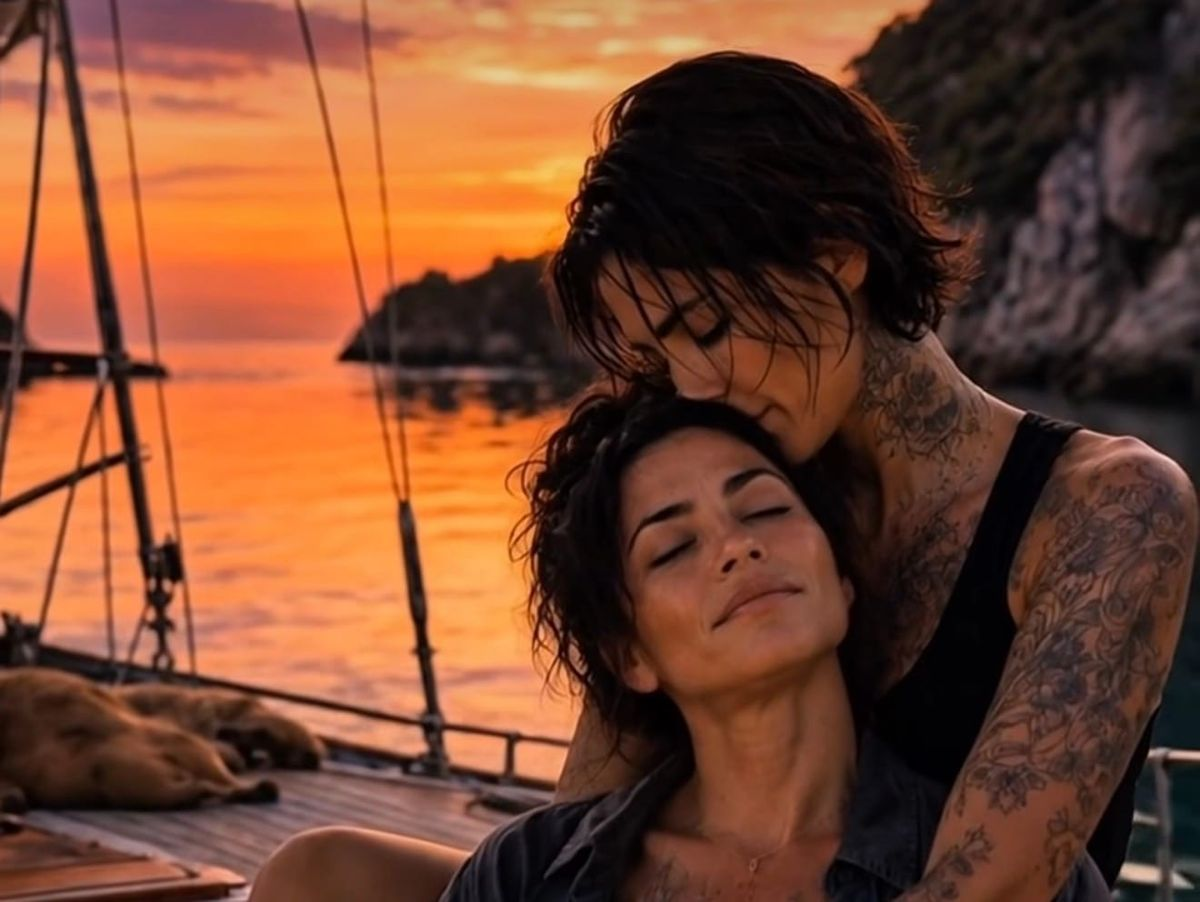
These projects form part of an emerging creative landscape that deserves to be explored, with creators finding different ways to develop and share their work.
What makes this area interesting is the possibility of widening the range of stories audiences can discover.
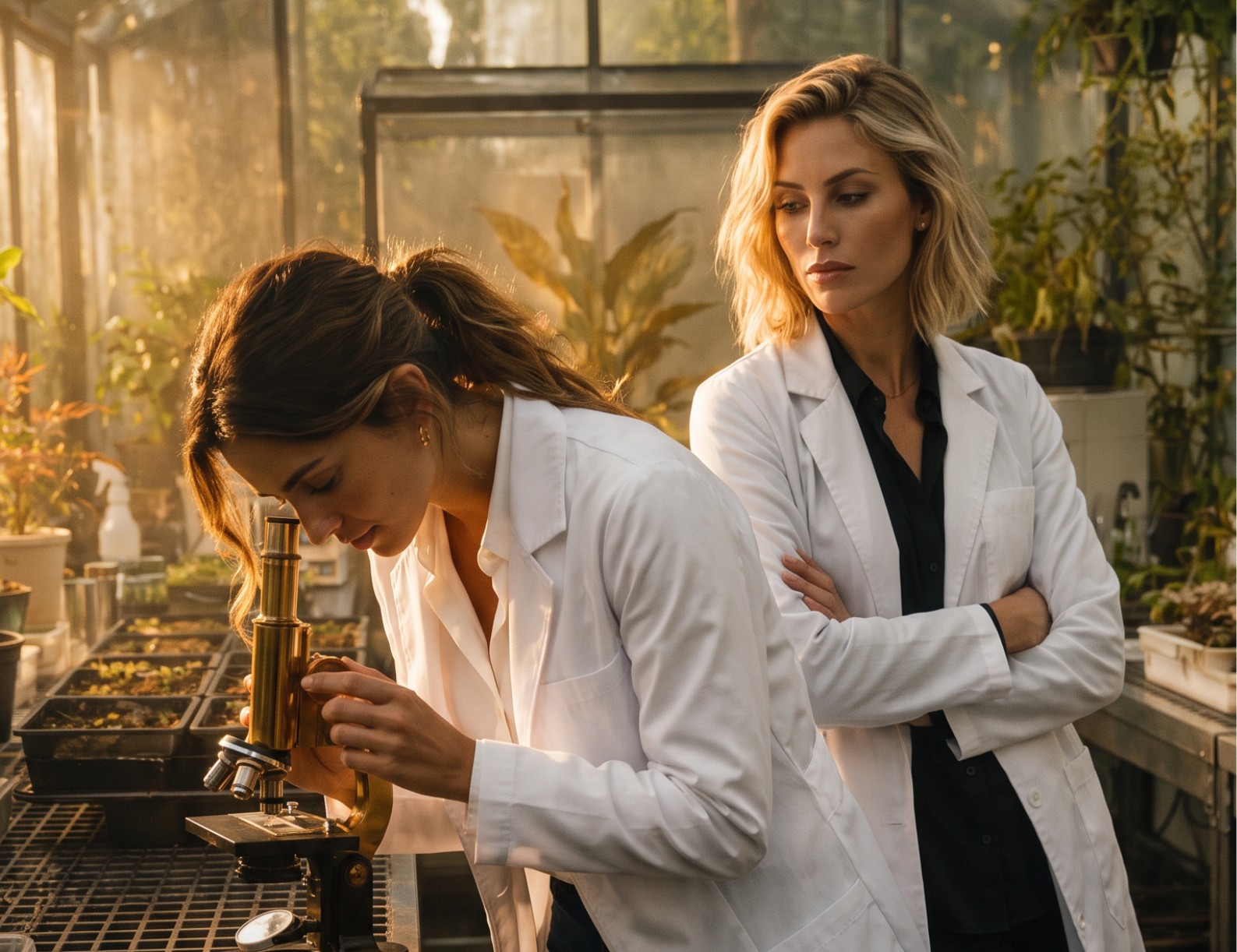
Rather than waiting for every idea to fit an established commissioning model, independent creators can experiment and see how viewers respond.
For lesbian and LGBTQ+ storytelling, that freedom could help more voices find an audience.
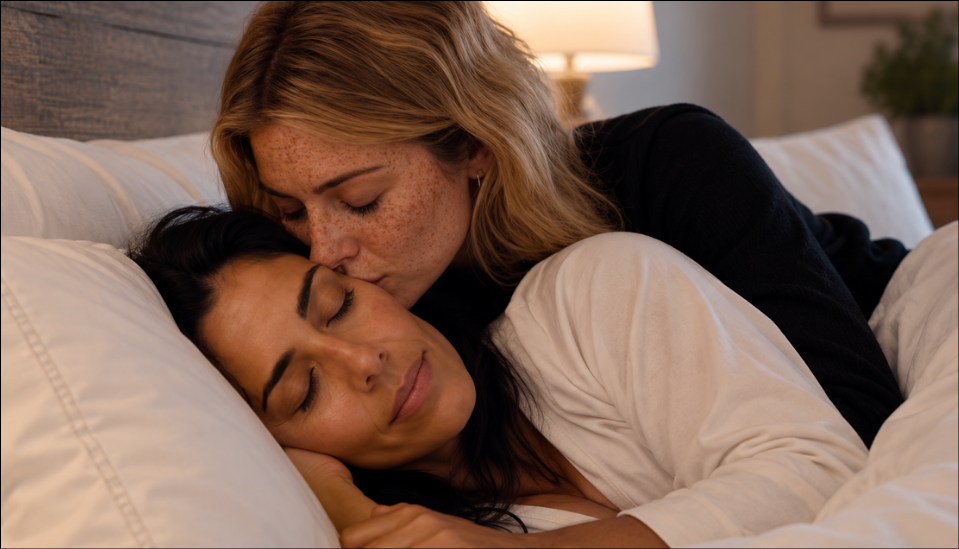
AI is not a guarantee of originality or quality, and the human creativity behind a project remains important.
There are also legitimate questions about consent, copyright, the use of performers' likenesses and voices, and fair treatment for people working in the creative industries. Those issues deserve serious attention as the technology develops.
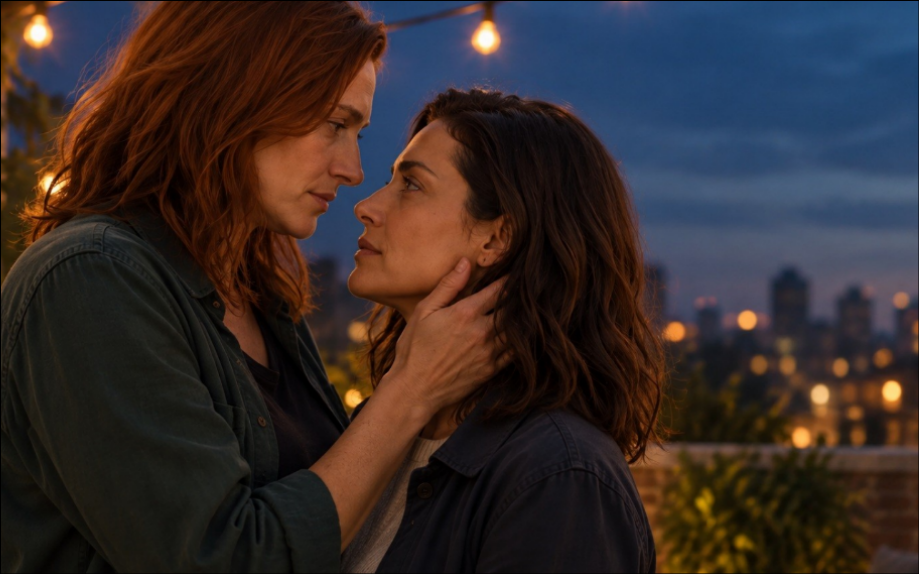
But these concerns need not overshadow the projects themselves. It is possible to approach AI responsibly while remaining curious about the stories creators are producing and the new audiences they might reach.
The important thing is to judge each project on its own merits and recognise the imagination, decisions and ideas that go into making it.
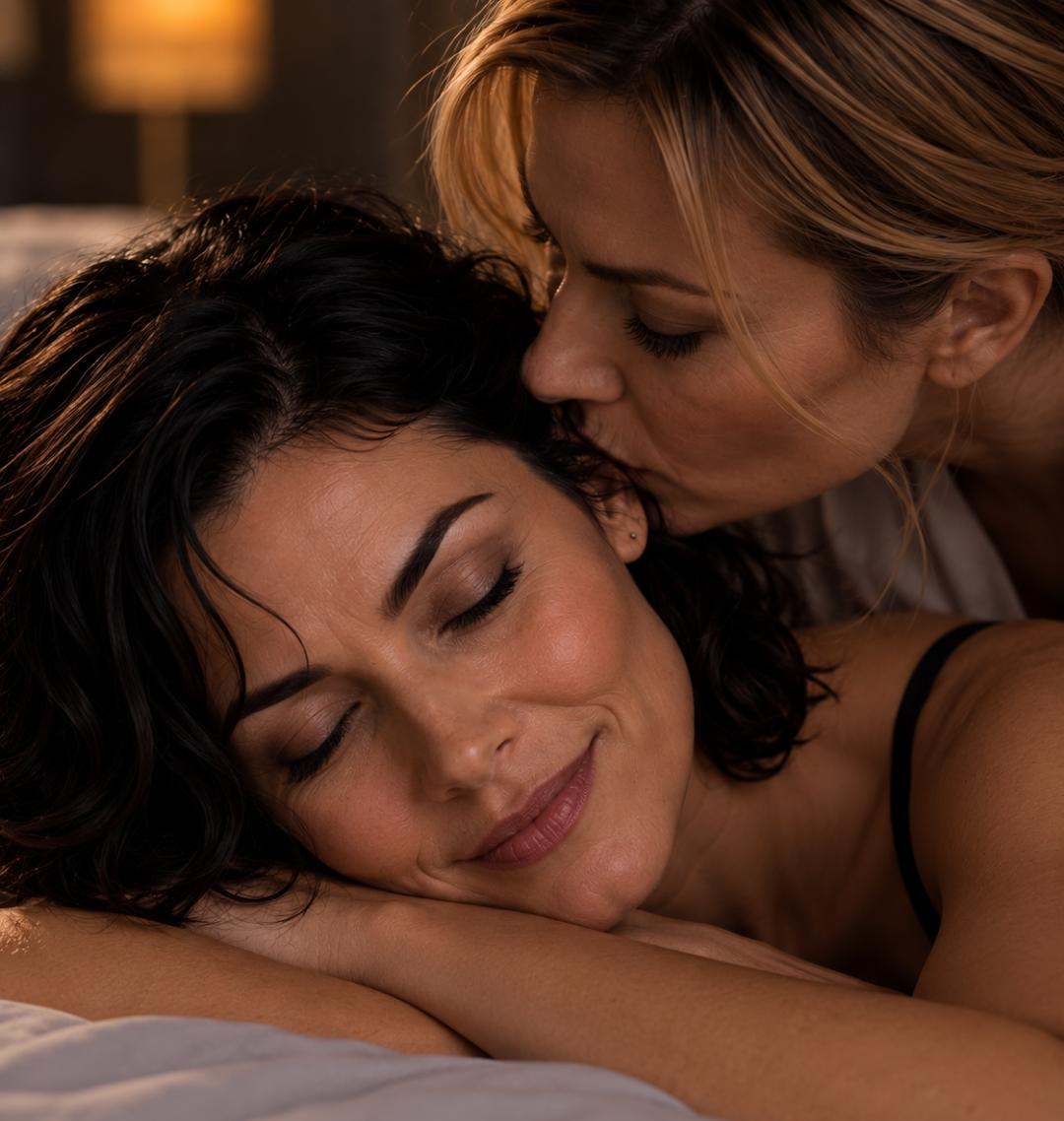
For us, AI-created entertainment is another part of the wider evolution of storytelling.
Just as independent filmmakers and online creators have found ways to reach audiences outside traditional television, AI may offer further opportunities for people with something original to say.
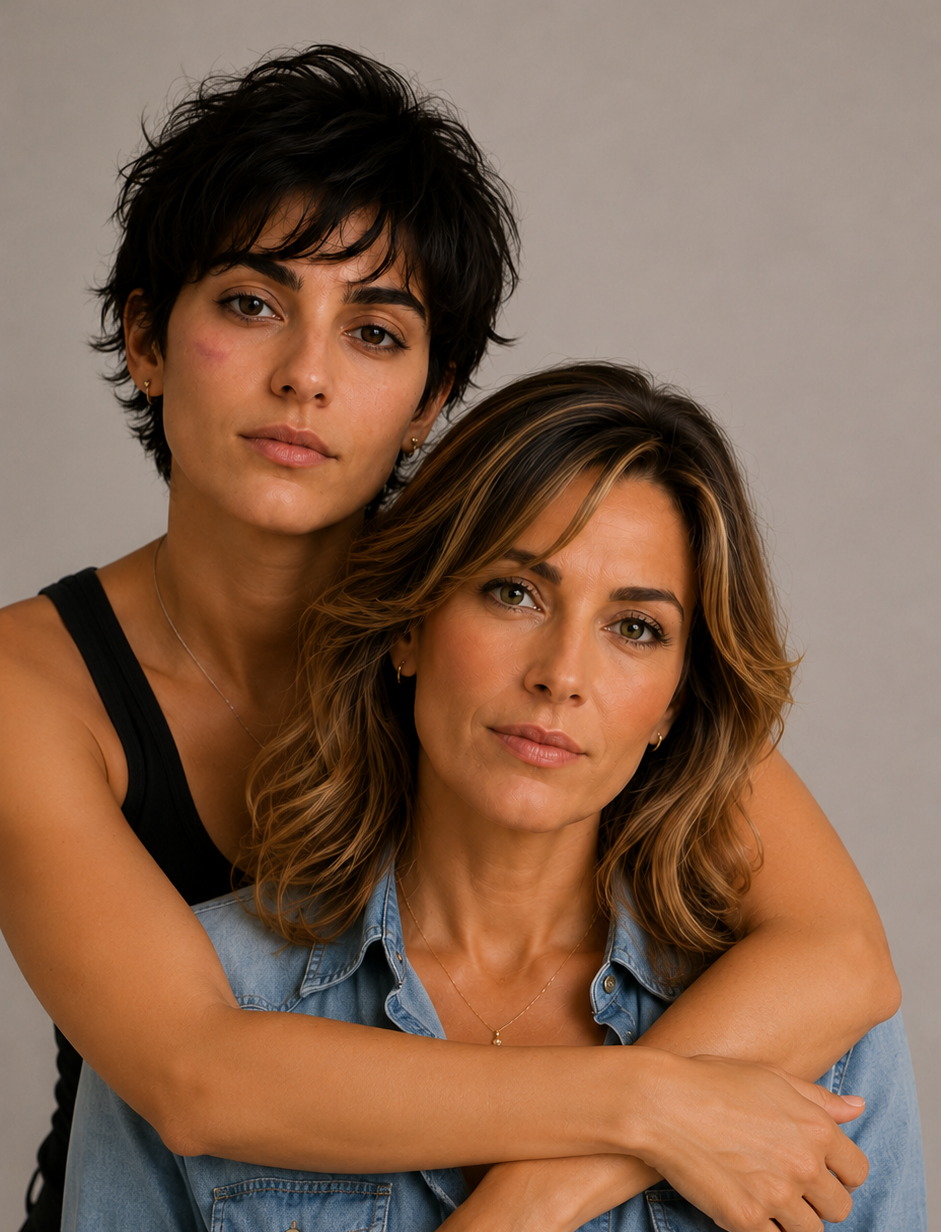
What comes next for lesbian storytelling?
From Desert Hearts and Bound to the relationships that viewers follow in British soaps, lesbian storytelling has grown through the determination of creators to tell stories that deserve to be seen. Each generation has expanded the possibilities, bringing new characters, genres and perspectives into the picture.
We are delighted by the visibility of couples such as Carla and Lisa in Coronation Street and Suki and Eve in EastEnders. We want to see their stories continue to develop, and we want British soaps to go further by introducing more lesbian characters and giving them the same depth, variety and opportunity for happiness as everyone else.
We are equally excited to see what comes next from the AI-created series we have featured. Projects such as The Impossible Plant, Samsarah, Almost Out Loud Icebreaker, Traust du mir? and High Tides are worth exploring as part of this developing creative landscape. If you have not read our coverage yet, we encourage you to discover these projects and learn more about the ideas and creators behind them.
The future of lesbian storytelling will not belong to one platform, one genre or one way of making television. It will be shaped by established broadcasters, independent creators, new technology and audiences who continue to ask for stories that reflect the world around them.
Have you discovered an AI-created lesbian or LGBTQ+ series we should know about?
We would love to hear about the projects you are watching and the creators you think deserve more attention.
Email us at editor@soaplandtv.co.uk or send SoapLandTV a DM with your recommendations.
If you are a creator making an AI-generated series, film, artwork or another LGBTQ+ project, we would love to hear from you too. Get in touch to share your story, introduce your work and tell us all about the creative process behind it.
Image credits - to their respective owners. Title image Purple Wing, Flickr