Former Granada Studios On Quay Street Remains A Key Part Of Coronation Street History

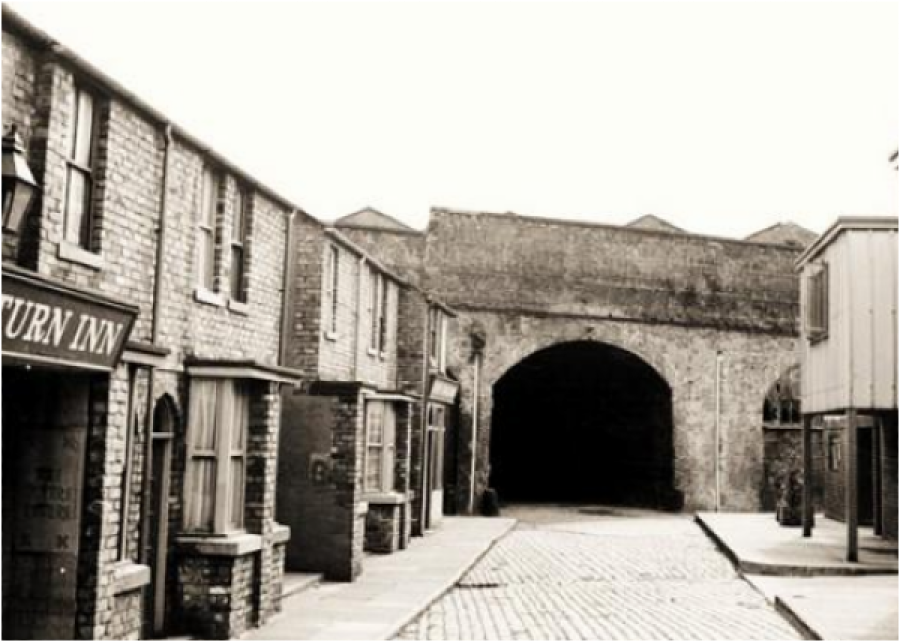
Before Coronation Street moved to its current home near MediaCityUK, its history was rooted in Quay Street. The former Granada Studios site in Manchester was the long time home of the programme and remains one of the most important locations in British television history.
Coronation Street began in 1960 and became closely associated with Granada Television. For decades, the Quay Street studios were where the show’s world was built, filmed and expanded. The original production base helped turn a fictional street in Weatherfield into a national institution. The move away from Quay Street marked a major shift, but it did not erase the importance of the site. It remains part of the programme’s story, and part of Manchester’s wider television heritage.
The old Granada base was more than an office or studio complex. It was where Coronation Street developed from a black and white drama into one of the longest running television soaps in the world. The site saw the programme move through changing production methods, changing sets and changing eras of British life. It also became linked to public memory through the Granada Studios Tour, which allowed visitors in earlier decades to see parts of the television world up close.
For many viewers, Quay Street represents classic Coronation Street. It connects to the older image of the show as a northern street drama with a strong sense of place. The programme has always been fictional, but its Manchester production base gave it an authenticity that mattered. The accents, humour, social detail and atmosphere all felt tied to the city around it.
The physical set changed over time. Coronation Street was not always the large exterior world viewers know today. Earlier production relied heavily on studio interiors and more limited exterior filming. As television changed, the show needed more practical outdoor space, better filming conditions and a larger set that could support modern production. That eventually led to the move toward the purpose built site at Trafford Wharf.
The transfer from Quay Street to the MediaCityUK area was one of the biggest production changes in Coronation Street history. Public reporting at the time described the move as part of ITV’s wider shift away from the old Granada base, with the existing Quay Street site expected to be vacated and sold.
What makes Quay Street important now is not just nostalgia. It represents the first half century of Coronation Street’s production life. The characters, storylines and cultural moments created there shaped how British soaps are understood. From family rows and pub conversations to major social issue storylines, the programme’s most enduring tone was formed during the Granada years.
The former studios also matter because they show how closely Manchester and television history are linked. Granada was one of the most influential names in British broadcasting, and Coronation Street became its defining drama. The Quay Street site helped build a regional television identity that reached across the whole country.
Although Coronation Street now has a modern production home, the Quay Street connection remains essential. It is the heritage chapter of the show’s story. The MediaCityUK set may now be where Weatherfield lives on screen, but Quay Street is where the cobbles became a television landmark.