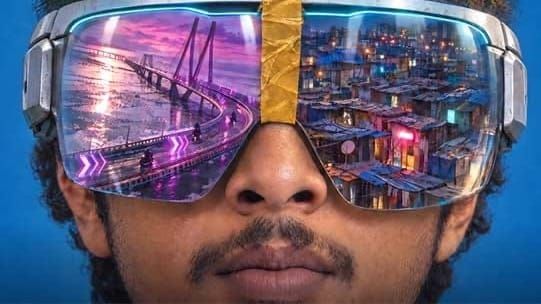
Eurovision 2027 in Bulgaria: A Guide for LGBTQ+ Fans
Planning Eurovision 2027 in Burgas? Our LGBTQ+ guide covers nightlife, tickets, UK flights, accommodation, local laws and travel advice.


Last updated: 27 October 2026. Information is accurate as of this date, based on official Eurovision announcements, UK government travel advice and available visitor information. Further details will be added as organisers confirm their plans.
Eurovision is heading to Bulgaria for the first time in May 2027, with the Black Sea city of Burgas preparing to welcome thousands of international visitors for one of the biggest events in the European entertainment calendar.
For LGBTQ+ supporters, the Eurovision Song Contest has long been associated with individuality, acceptance and self-expression, bringing together people from different countries through a shared love of music. However, with Bulgaria's legal protections and social attitudes differing from those in the UK and several other European countries, some visitors may have questions about what to expect during their stay.
From LGBTQ+ nightlife and fan parties to flights, accommodation, tickets and local travel arrangements, there is already plenty of information available to help people begin planning their Eurovision experience.
When and where is Eurovision 2027?
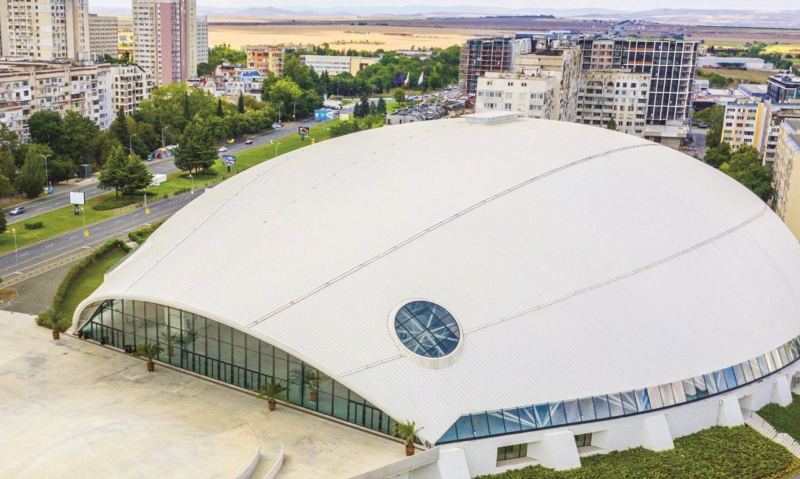
The 71st Eurovision Song Contest takes place at Arena Burgas, following Bulgaria's historic victory at Eurovision 2026 in Vienna, where DARA won with Bangaranga.
The first semi-final will be held on Tuesday 11 May 2027, followed by the second semi-final on Thursday 13 May, with the Grand Final taking place on Saturday 15 May. All three televised shows will be staged at Arena Burgas, which opened in 2023.
Burgas is Bulgaria's fourth-largest city and sits on the southern Black Sea coast. Known for its beaches, Sea Garden, waterfront restaurants and cultural attractions, the city offers visitors the opportunity to combine Eurovision with a seaside holiday.
Its relatively compact layout may appeal to supporters hoping to explore between performances, although the locations of the main Eurovision attractions and dedicated transport arrangements are still being finalised.
Where can LGBTQ+ Eurovision fans meet and go out in Burgas?
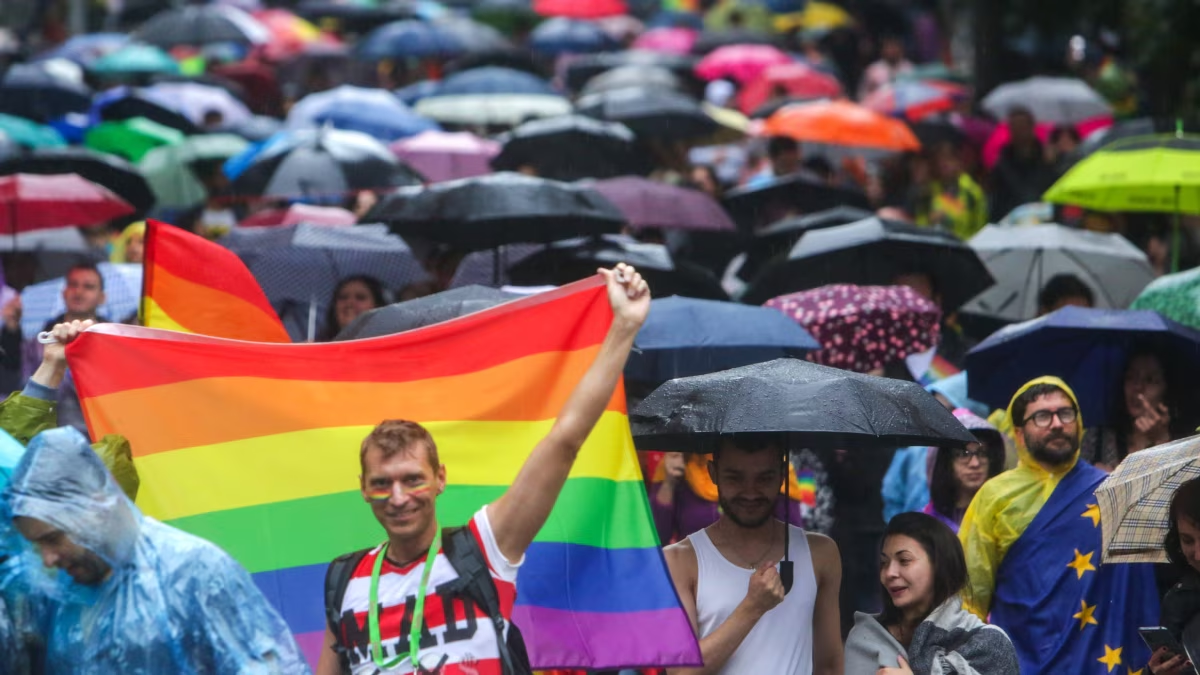
Eurovision Village and EuroClub are expected to play an important role in the celebrations, providing opportunities for visitors to enjoy music, performances and social events outside the arena.
Eurovision Village traditionally hosts public entertainment, live performances and screenings, while EuroClub is associated with late-night parties, DJs and gatherings attended by Eurovision supporters from across Europe.
These events have become popular meeting places for LGBTQ+ visitors, particularly those travelling alone or hoping to make new friends during Eurovision week.
However, organisers have not yet confirmed the specific locations, opening arrangements or entertainment programmes for either venue in Burgas. There is also no official programme of dedicated LGBTQ+ parties or Pride-themed celebrations at this stage.
Unlike Sofia, Burgas is not widely known for having an established selection of LGBTQ+-specific bars and clubs, meaning visitors should not assume the city will offer the same nightlife options as some previous Eurovision destinations.
Independent promoters, bars and entertainment venues may announce their own events closer to May, particularly as preparations for the contest develop. Established Eurovision communities and official announcements will provide useful starting points for identifying genuine gatherings.
Is Bulgaria LGBTQ+ friendly?
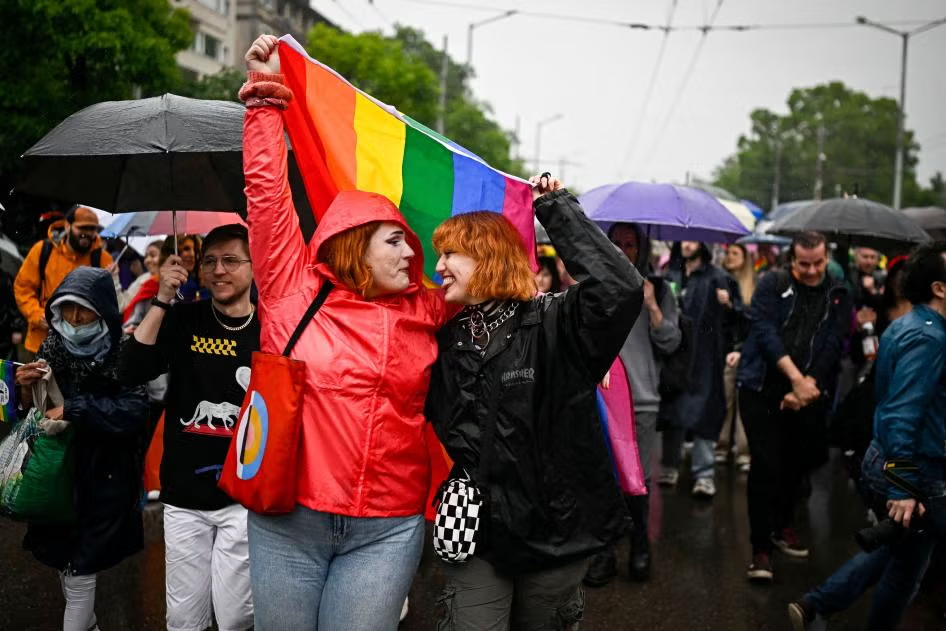
Bulgaria is an established European holiday destination, although LGBTQ+ visitors should be aware that legal protections and public attitudes differ from those in the UK and several other European countries.
Same-sex relationships are legal, but Bulgaria does not have a domestic system recognising same-sex marriage or registered partnerships. Certain rights involving relationships legally recognised elsewhere may arise under European law, although this does not amount to full marriage equality within Bulgaria.
Legal gender recognition has also faced significant restrictions, with transgender people encountering difficulties obtaining documents that reflect their gender identity. Court developments during 2026 have provided recognition in some individual cases, but a clear and comprehensive legal framework remains absent.
The UK government's travel guidance explains that public attitudes towards LGBTQ+ people can be less tolerant than in Britain, particularly outside Sofia. It also records isolated incidents of hostility towards people perceived to be LGBTQ+ in Burgas and other Bulgarian cities.
However, these reports should not be interpreted as meaning every LGBTQ+ visitor will encounter discrimination. Individual experiences vary, and understanding local conditions is more useful than making assumptions about an entire city or its residents.
Bulgaria also has an active LGBTQ+ community, with Sofia Pride attracting thousands of participants and organisations continuing to campaign for equality and greater visibility.
Where can LGBTQ+ visitors find local support?
Visitors seeking reliable information about LGBTQ+ life in Bulgaria can consult established organisations rather than relying entirely on social media recommendations.
The Bilitis Foundation works to support and empower LGBTQ+ people in Bulgaria and is involved in organising Sofia Pride. It has also been associated with Rainbow Hub, a community space providing opportunities for LGBTQ+ activities and support.
LGBT Deystvie is another established organisation working to protect LGBTQ+ rights, including through legal advocacy and assistance with discrimination-related issues.
These organisations are primarily based in Sofia and should not be regarded as dedicated Eurovision visitor services in Burgas. However, their published information can provide useful background on Bulgaria's LGBTQ+ community and legal developments.
Same-sex couples and transgender travellers may also wish to check current official travel guidance before departure, particularly where personal documentation or legal recognition could be relevant.
In an emergency, visitors can contact Bulgaria's police, ambulance or fire services by calling 112, while British nationals requiring consular assistance can seek guidance through the UK government's official services.
How can UK fans travel to Burgas?
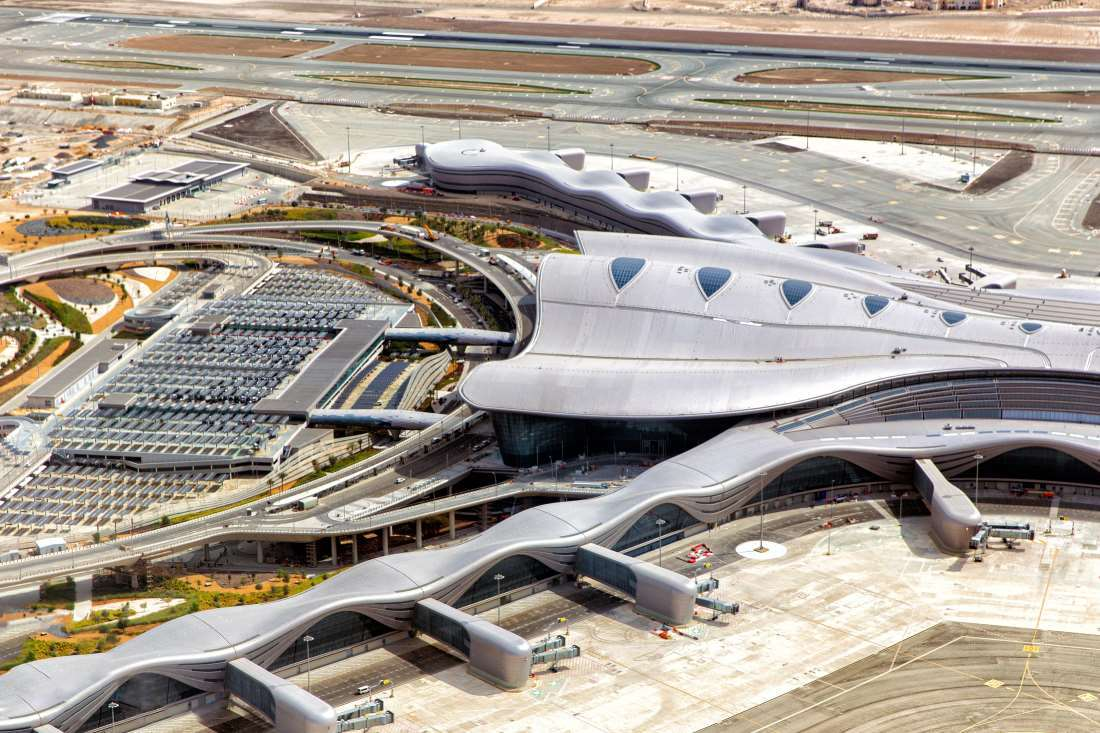
Burgas has its own international airport, approximately 10 kilometres from the city centre, making it one of the most convenient arrival points for visitors attending Eurovision.
Jet2 has announced additional flights from Birmingham, East Midlands, Glasgow and Manchester for May 2027, with departures arranged around the semi-finals and Grand Final.
The airline's wider Burgas programme also includes services from Bristol, Edinburgh, Leeds Bradford, Liverpool, London Gatwick, London Stansted and Newcastle, bringing its announced network to 11 UK departure airports.
However, individual routes operate on different days, so visitors should check flight schedules carefully before choosing which Eurovision performances they hope to attend.
Flying to Sofia is another possibility, with Bulgaria Air announcing plans to increase domestic connections to Burgas ahead of the contest.
Organisers are also considering additional transport arrangements involving the airports of Varna, Plovdiv and Istanbul, although the final details have not yet been confirmed.
How will visitors get around Burgas?
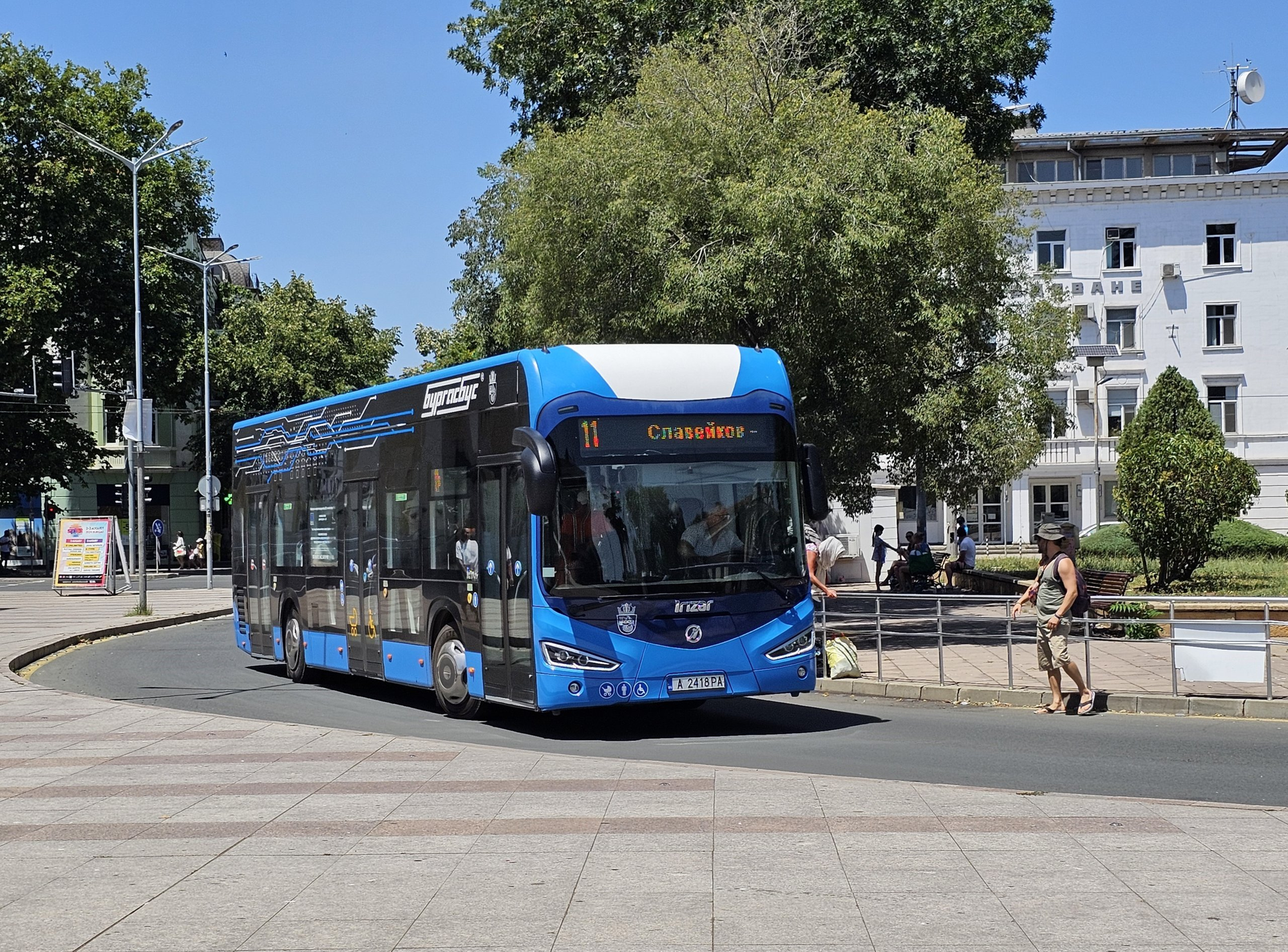
Burgas Airport is connected to the city by an existing public bus service, while taxis and other local transport options provide alternatives for visitors arriving with luggage.
The Eurovision organisers are developing a dedicated transport plan connecting the airport, arena, accommodation and major fan events, with further information expected before the contest.
Plans include a special urban mobility app providing real-time details about bus services, shuttle routes, journey options and connections between official Eurovision locations.
The proposed app would also include information about taxis, bicycle hire, electric scooters and other ways of travelling around the city.
However, these Eurovision-specific services remain part of the planning process and should not be confused with existing public transport. The exact shuttle routes, operating hours, accessibility arrangements and any associated charges have not yet been confirmed.
Visitors should check the host city's official transport information before travelling, particularly if they plan to stay outside central Burgas or attend late-night events.
Where should Eurovision visitors stay?
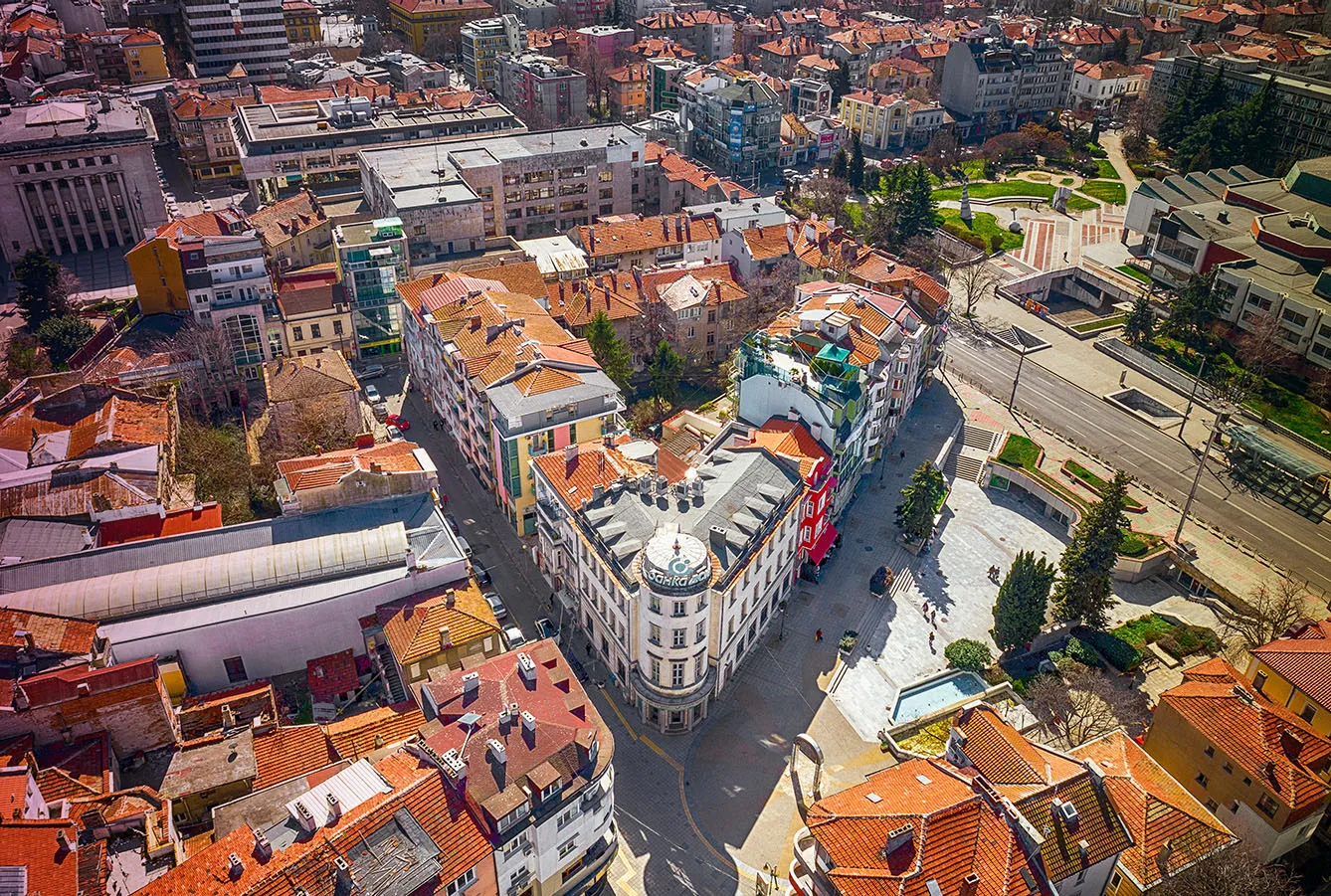
Burgas offers a selection of hotels, apartments and holiday accommodation, while neighbouring coastal resorts provide additional options for visitors planning a longer stay.
Staying within Burgas may be more convenient for those attending evening events, particularly if EuroClub and other entertainment venues operate late into the night.
Accommodation outside the city could appeal to visitors hoping to combine Eurovision with a traditional beach holiday, provided suitable transport is available.
Because the locations of Eurovision Village, EuroClub and other official attractions have not yet been announced, it is worth considering flexible accommodation arrangements rather than booking somewhere based on an unconfirmed event location.
LGBTQ+ couples and travellers who want additional reassurance may find it useful to read recent accommodation reviews or contact their chosen property directly before booking.
Do British visitors need a visa for Bulgaria?
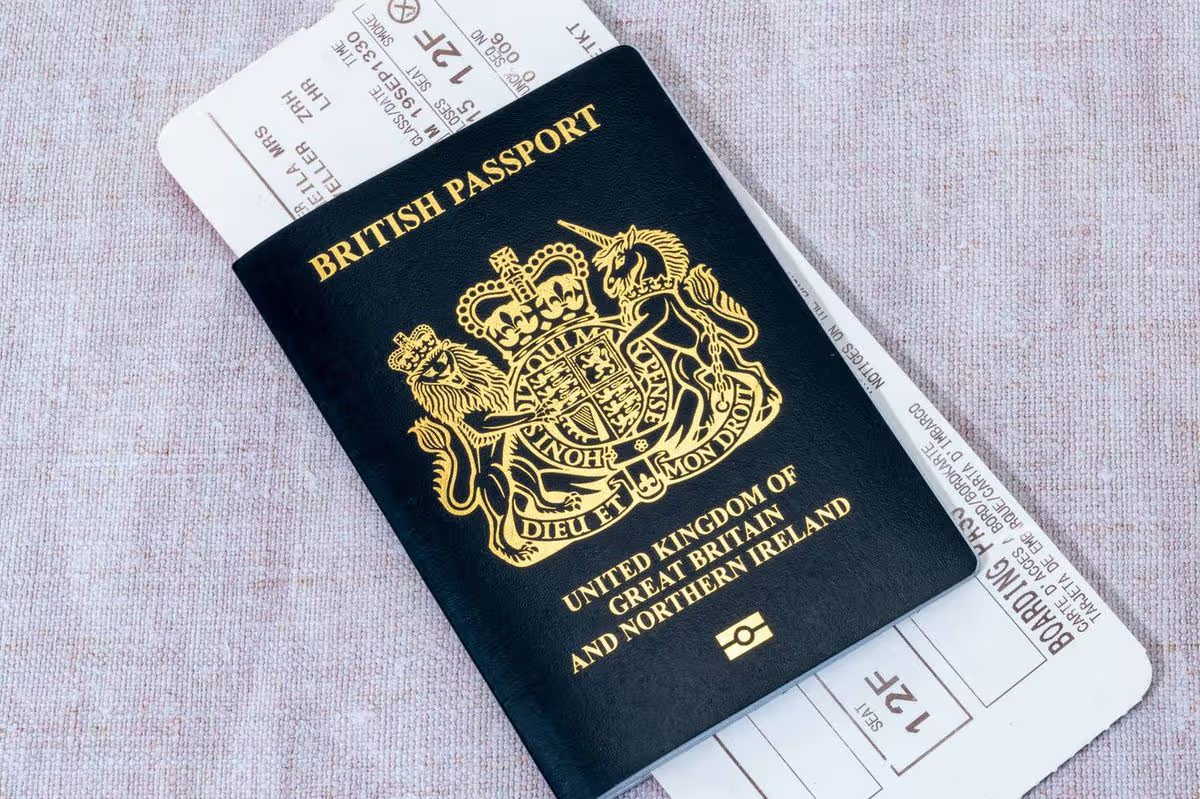
British passport holders can currently visit Bulgaria without a visa for tourism and other permitted short visits lasting up to 90 days in any 180-day period.
Bulgaria is part of the Schengen area, meaning time spent in other Schengen countries also counts towards the same 90-day allowance.
Passports must have been issued less than ten years before arrival and remain valid for at least three months after the intended date of departure from the Schengen area.
Visitors may also be asked to provide evidence of accommodation, onward or return travel, sufficient funds and appropriate travel insurance.
The European Union's Entry/Exit System, known as EES, began operating in October 2025 and is being implemented across the Schengen area. It replaces traditional passport stamping with digital records for eligible non-EU travellers.
British visitors may need to provide biometric information, including fingerprints and a facial photograph, when crossing an external Schengen border. Travellers should allow additional time for these checks, particularly during busy arrival periods.
Another development to check before travelling is ETIAS, the European Travel Information and Authorisation System, which will introduce travel authorisation requirements for eligible visa-exempt visitors, including British passport holders.
As of 27 October 2026, ETIAS is not operating and applications are not being accepted. The European Union has not confirmed an exact launch date, so visitors should consult its official website before departure to establish whether authorisation will be required for their journey.
What currency does Bulgaria use?
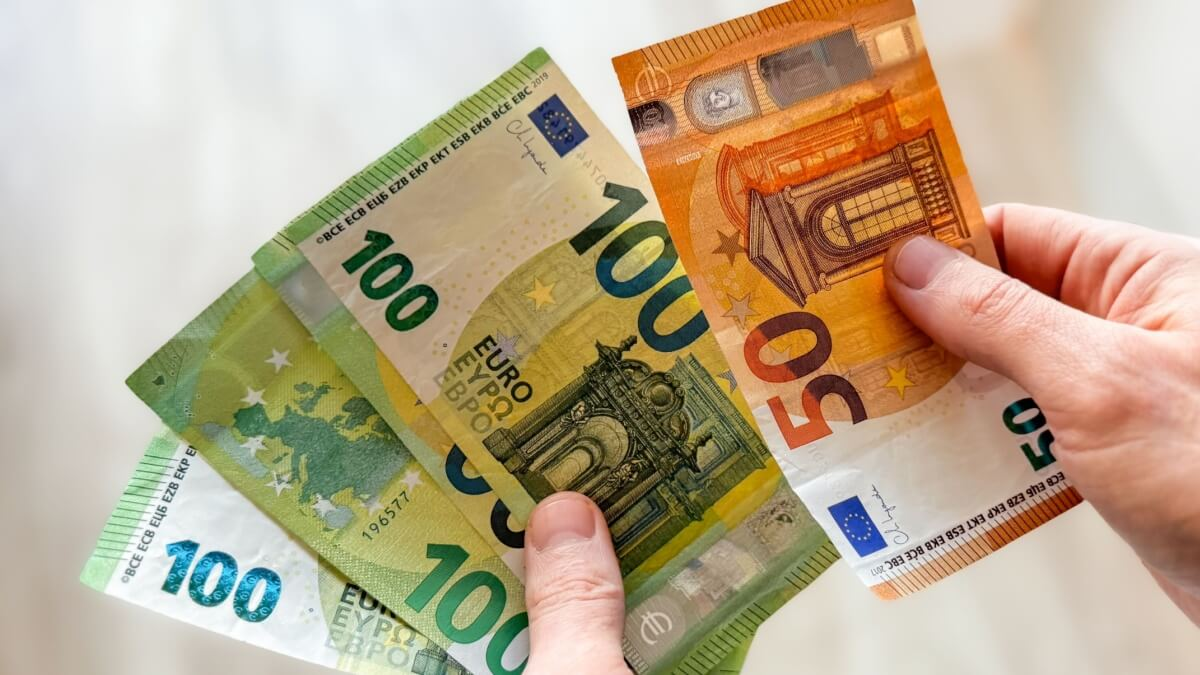
Bulgaria adopted the euro on 1 January 2026, replacing the Bulgarian lev and bringing the country into the euro area.
This means British visitors attending Eurovision 2027 will use euros for everyday purchases, including meals, shopping, public transport and entertainment.
Major debit and credit cards are accepted at many hotels and businesses, although carrying some cash may be useful for smaller purchases or local services.
Visitors should check whether their bank charges foreign transaction fees or currency conversion costs, particularly if they plan to use their cards frequently during Eurovision week.
When paying by card, choosing to be charged in euros rather than accepting conversion into pounds can often help avoid an unfavourable exchange rate.
When do Eurovision 2027 tickets go on sale?
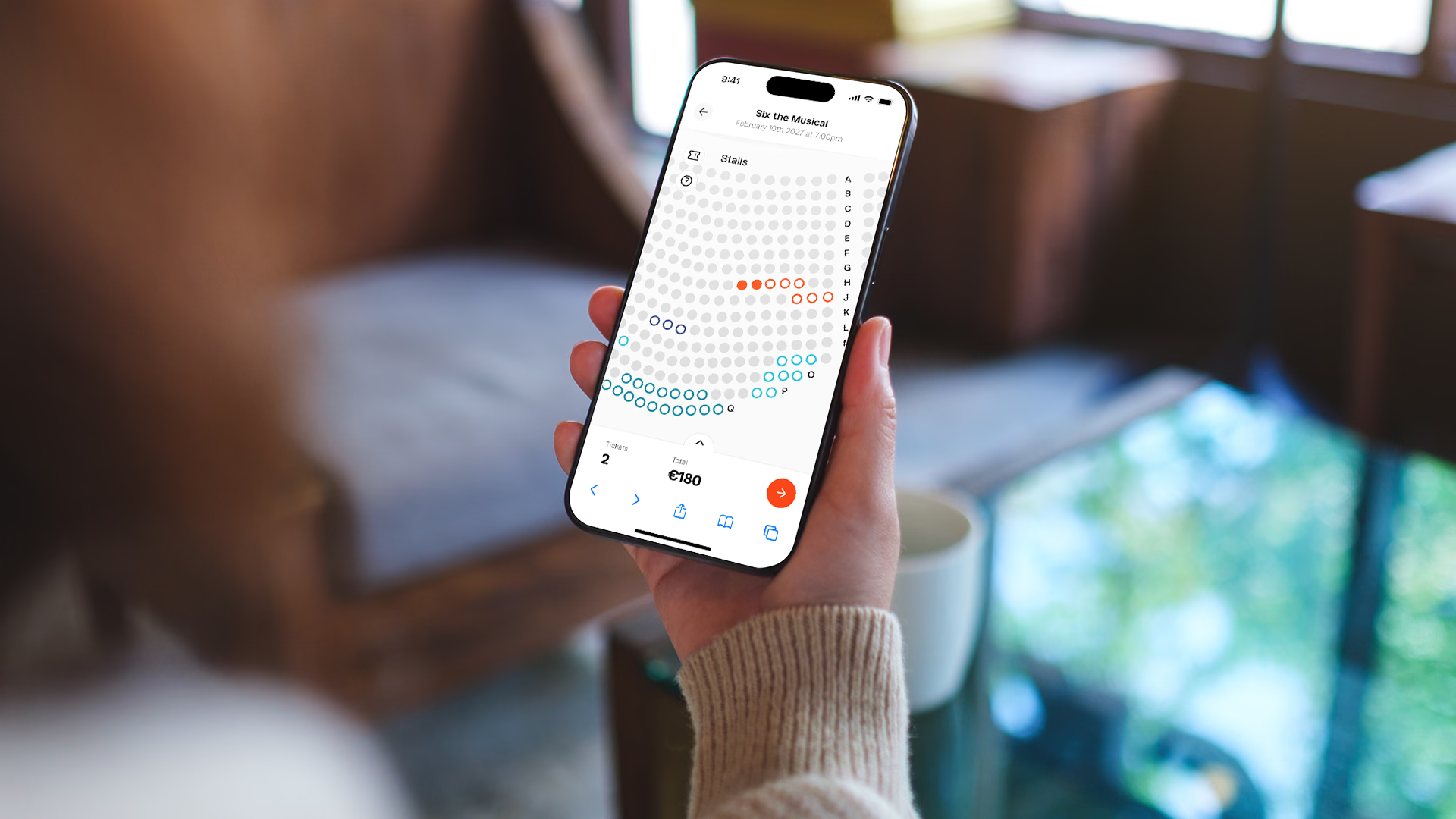
Official ticket sales have not yet opened, although organisers have confirmed that tickets will be available for nine performances across Eurovision week.
These include the three televised shows and six preview performances, with two previews taking place before each live broadcast.
The preview performances give audiences the opportunity to experience the production before the televised event, including the staging, lighting and performances planned for the competition.
They can provide an alternative for visitors unable to secure tickets for the live semi-finals or Grand Final, although the exact format and arrangements for the 2027 previews will be confirmed by organisers.
Anyone hoping to purchase tickets must register for a free Eurofan account through the official Eurovision website. After registering, supporters can visit the Tickets & Events section of their account and indicate their interest in Burgas 2027.
Ticket prices, seating categories and sale dates will be announced through official Eurovision channels, with organisers warning supporters against purchasing tickets from unauthorised sellers.
What accessibility arrangements will be available?
Arena Burgas and the host-city organisers are preparing accessibility arrangements for spectators, including visitors with disabilities and additional mobility requirements.
Information about accessible seating, venue entry, facilities and transport assistance is expected to be released before ticket sales begin.
Visitors who require wheelchair spaces, companion tickets or other support should consult the official ticketing guidance once it becomes available, rather than relying on general information about the arena.
There has also been no specific confirmation of gender-neutral facilities or other dedicated LGBTQ+ arrangements at the venue, so these should not be assumed until organisers publish further details.
Accessible transport between accommodation, the arena and fan events will be another important consideration, particularly for visitors planning to attend several performances.
What about healthcare and travel insurance?
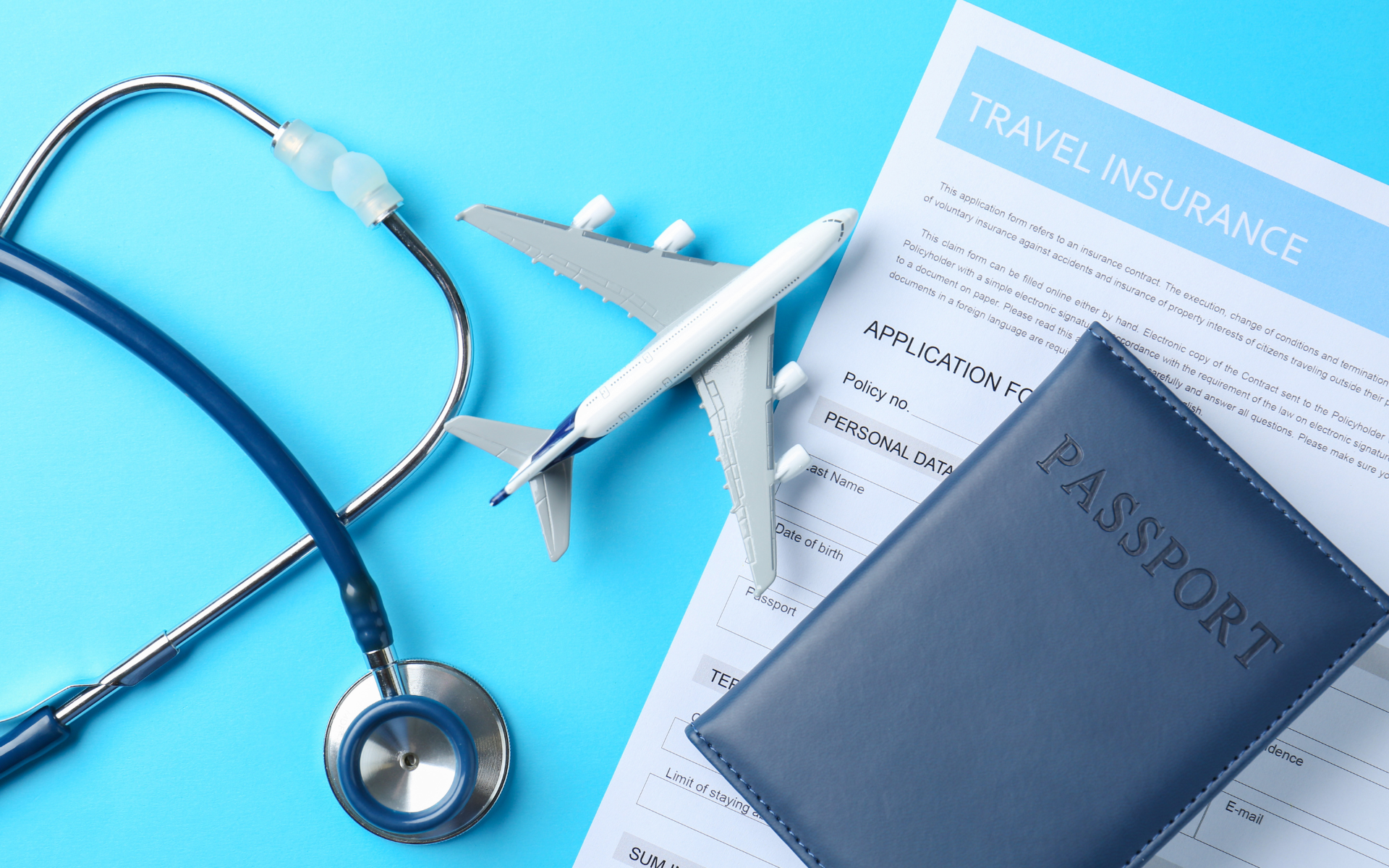
British visitors travelling to Bulgaria should ensure they have appropriate travel insurance covering medical treatment, unexpected changes to their plans and emergency assistance.
Eligible travellers can use a UK Global Health Insurance Card, known as a GHIC, or a valid European Health Insurance Card to access medically necessary state healthcare during a temporary stay.
However, these cards do not replace travel insurance and do not normally cover private medical treatment, repatriation to the UK or additional accommodation and travel costs resulting from an emergency.
Visitors should also check that their insurance covers any existing medical conditions and activities they intend to undertake during their holiday.
For anyone requiring medication, it is sensible to check whether there are restrictions on bringing particular medicines into Bulgaria and to carry appropriate documentation where necessary.
Will UK mobile phones work in Bulgaria?

UK visitors should be able to use their mobile phones in Bulgaria, although roaming charges depend on their network and contract.
Since the UK left the European Union, free mobile roaming across EU countries is no longer guaranteed, with some providers charging daily fees or applying separate limits to data use abroad.
Visitors should check their mobile provider's roaming arrangements before departure, particularly if they expect to use maps, ticketing apps, streaming services or social media frequently during Eurovision week.
Purchasing an appropriate roaming package or considering an eSIM may help avoid unexpected charges, depending on the phone and network involved.
Access to mobile data may also be particularly useful once organisers release information about digital tickets, transport applications and event schedules.
What should LGBTQ+ fans know before travelling?
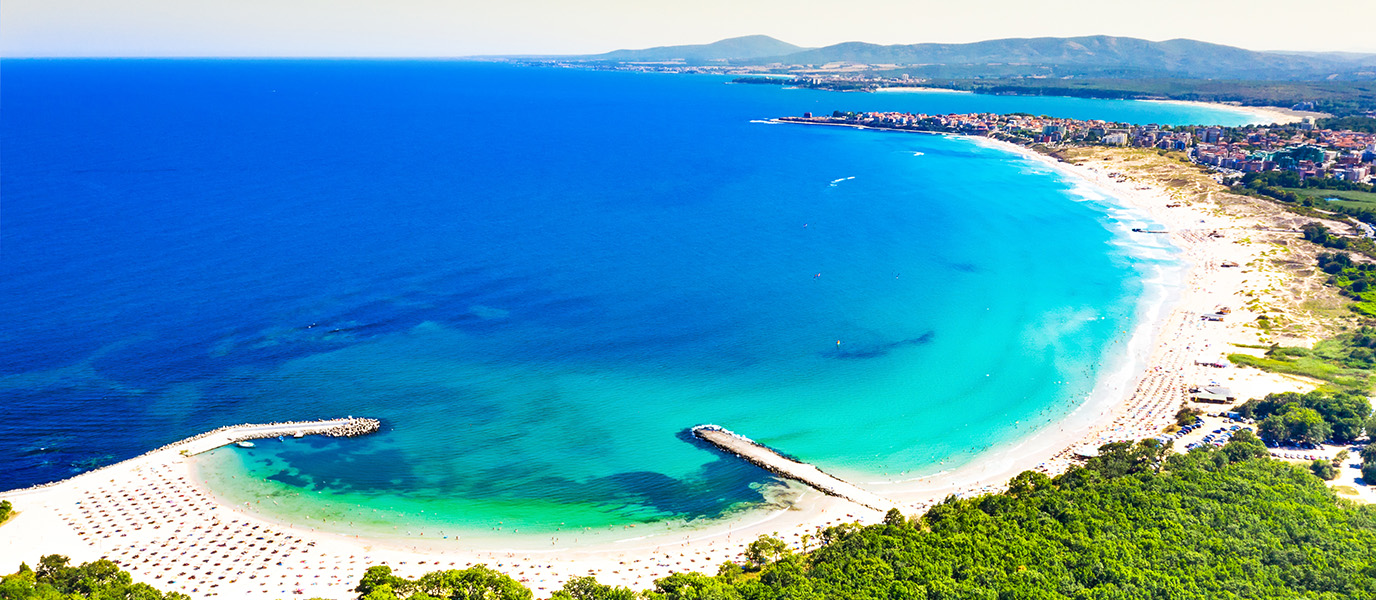
Eurovision 2027 offers the prospect of a week of music, performances and international celebrations beside Bulgaria's Black Sea coast, although visitors will have different priorities depending on their plans.
For some, the biggest attraction will be attending the televised shows, while others may be more interested in the parties, public performances and opportunities to meet people from across Europe.
LGBTQ+ travellers should keep an eye on official announcements about nightlife, accommodation, ticket sales and local transport, alongside any developments in Bulgaria's legal protections and travel guidance.
Those hoping to attend independent LGBTQ+ events should confirm the legitimacy of organisers and venues before making non-refundable bookings, particularly while the official programme is still being developed.
Anyone planning to attend Eurovision can already register for a free Eurofan account, review the current travel requirements and explore the available flight and accommodation options.
This guide was last checked on 27 October 2026 and will be updated as Eurovision organisers confirm ticket sales, fan event locations, LGBTQ+ celebrations, transport arrangements and further visitor information.
Useful official websites
The official Eurovision website provides contest announcements, ticket registration and programme updates, while the Burgas 2027 host-city website covers local preparations and visitor information.
British visitors can check the latest UK government travel advice for Bulgaria, including passport requirements, entry rules, healthcare and safety guidance. Information about forthcoming European travel authorisation requirements is available through the European Union's official ETIAS website.
For LGBTQ+ community information, visitors can consult the Bilitis Foundation and ILGA-Europe, which provide information about LGBTQ+ rights and developments in Bulgaria.