Emmerdale Esholt Years Remain A Key Part Of The Soap’s History

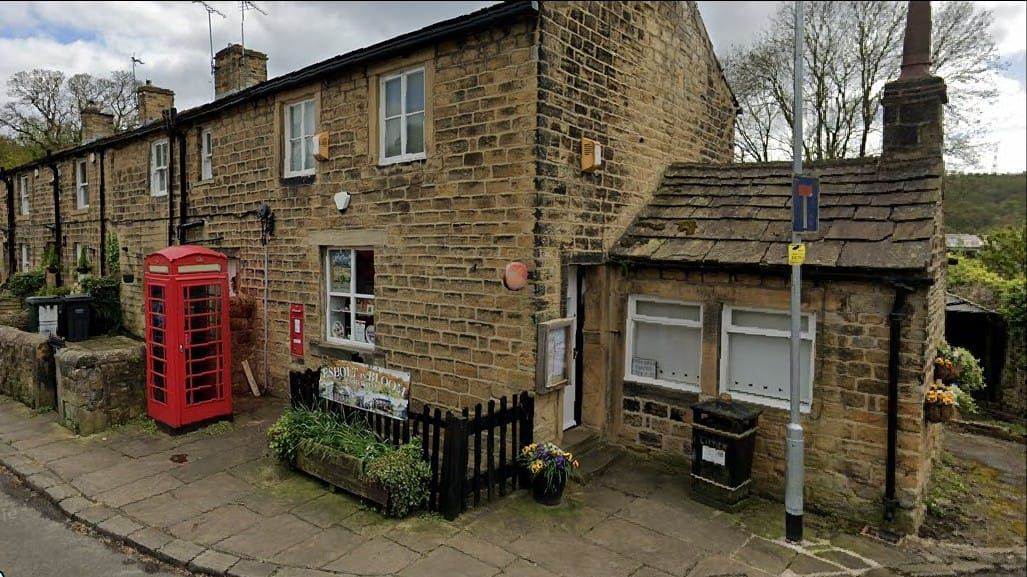
Before Emmerdale moved to its purpose built village set at Harewood, the real village of Esholt played a major role in the soap’s history. From 1976 until 1997, Esholt was used as the main village location for the programme.
Esholt is a real West Yorkshire village near Bradford. Its stone buildings, village streets and rural setting helped give Emmerdale a strong sense of place during some of its most important years. Because it was a real village, it gave the programme a natural atmosphere that viewers remembered.
Before Esholt, early Emmerdale Farm village scenes were filmed in Arncliffe in North Yorkshire. That changed in 1976, when production moved closer to the Leeds studios. Esholt offered a more practical location while still giving the programme a convincing Yorkshire village setting.
The Esholt years were important because the show changed significantly during that period. Emmerdale Farm gradually became Emmerdale, moving from a more farm focused drama into a broader soap about village life, families, relationships, secrets and dramatic events.
One of the most famous parts of Esholt’s Emmerdale history is the pub. The Commercial Inn was used as the Woolpack on screen and later permanently changed its name to The Woolpack. That name change shows how closely the real village became linked with the fictional world of the soap.
As Emmerdale grew in popularity, Esholt became a visitor attraction. That created difficulties for filming. A real village has residents, traffic, businesses and everyday life, while a continuing drama needs privacy, control and regular access. Over time, filming in Esholt became harder to manage.
That is why the move to Harewood was so important. The purpose built set allowed Emmerdale to keep the look of a Yorkshire village while giving the production team much more control. From 1998 onward, Harewood became the main village setting seen on screen.
Esholt remains important because it represents a major chapter in Emmerdale’s history. For many long term viewers, it is still strongly associated with classic Emmerdale. The village helped shape the look and feel of the programme before the modern Harewood era began.
Today, Esholt is a heritage location rather than a working set. Visitors may still be interested in its Emmerdale connection, but it is important to remember that it is a real village, not a controlled visitor attraction.
Esholt and Harewood now tell two parts of the same story. Esholt represents the soap’s real village years. Harewood represents the modern production era. Together, they show how Emmerdale kept its Yorkshire identity while changing the way it was made.